
Emergencies
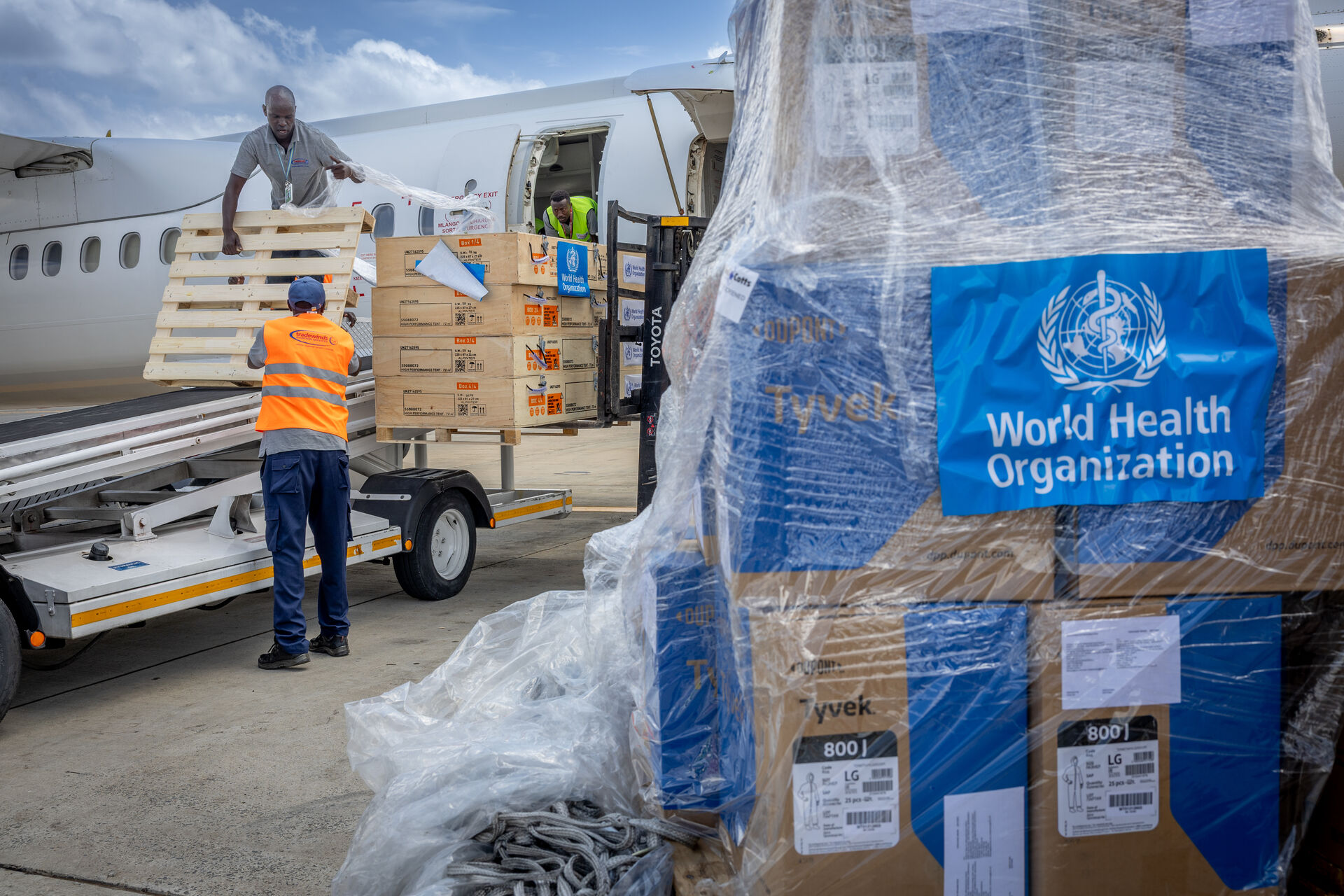
Guided by science, WHO leads global efforts with countries and partners to reduce risks and protect people’s lives. When crises occur, we bring expertise and partners together to act fast, save lives and keep health care available for communities.
Global health emergencies
All →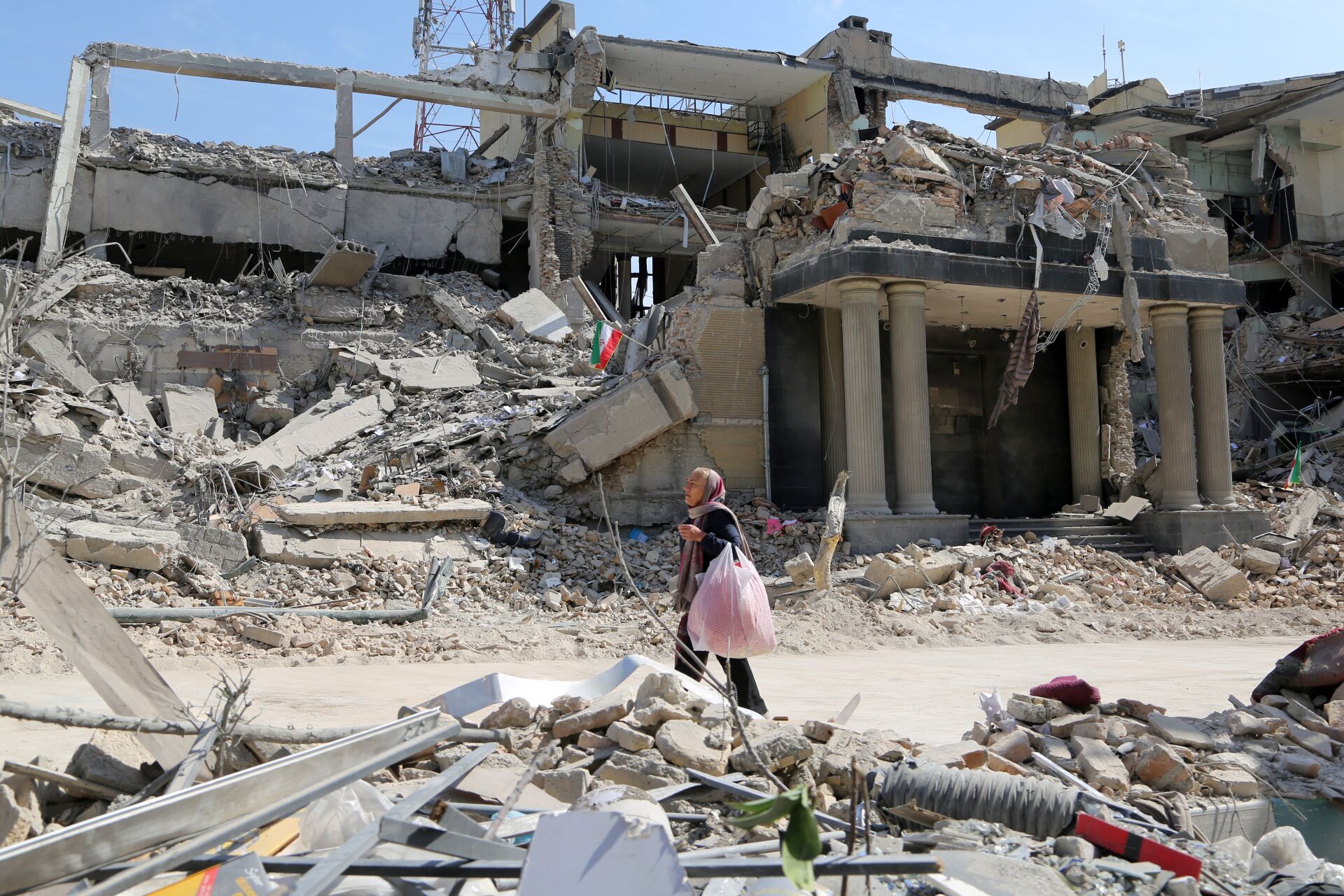

Our emergency work in focus
All →
Publications
All →
5 October 2026
Public health advice on Bundibugyo virus disease for internally displaced people, refugees and migrants...
This public health advice addresses the need for tailored measures to help prevent and control the spread of Bundibugyo virus (BVD) among people living...
5 October 2026
Civil–military health security mapping tool: user manual
Civil–military health security mapping (CMAP) tool: user manual provides practical guidance on using the CMAP tool to strengthen civil–military...
30 September 2026
Prevention and management of heat-related illness at mass gatherings: systematic reviews
Extreme heat is an increasingly important threat to health and operational continuity during mass gatherings. Climate change is increasing the frequency,...
30 September 2026
Prevention and management of heat-related illness at mass gatherings: considerations for implementation
Extreme heat is an increasing health, safety and operational risk for mass gatherings. It can cause heat-related illness, worsen chronic disease, increase...
Documents
All →
22 September 2026
Middle East Escalation of Conflict, Global external situation report #11 - 15 September 2026
This is the 11th global public WHO situation report on the conflict in the Middle East. It covers the health situation and WHO operational updates from...

5 September 2026
Global Public Health Situation Analysis - El Nino 2026
This Global Public Health Situation Analysis summarizes the evolving health risks associated with El Niño 2026. It aims to support country- and...

4 September 2026
Annex 3: Policy categories and subcategories for public health and social measures (PHSM Taxonomy)
This classification matrix helps place public health and social measures (PHSM) policies into cascaded categories, starting from a first level-PHSM category...

25 August 2026
Greater Horn of Africa Food Insecurity and Health Crisis, Strategic Response Plan (August 2026–January...
The Greater Horn of Africa (GHoA) is facing a rapidly deteriorating humanitarian and public health crisis driven by conflict, displacement, recurrent climate...