

Kuwait
Partner in global health
This content was last updated on 13 December 2024
The strategic partnership with Kuwait
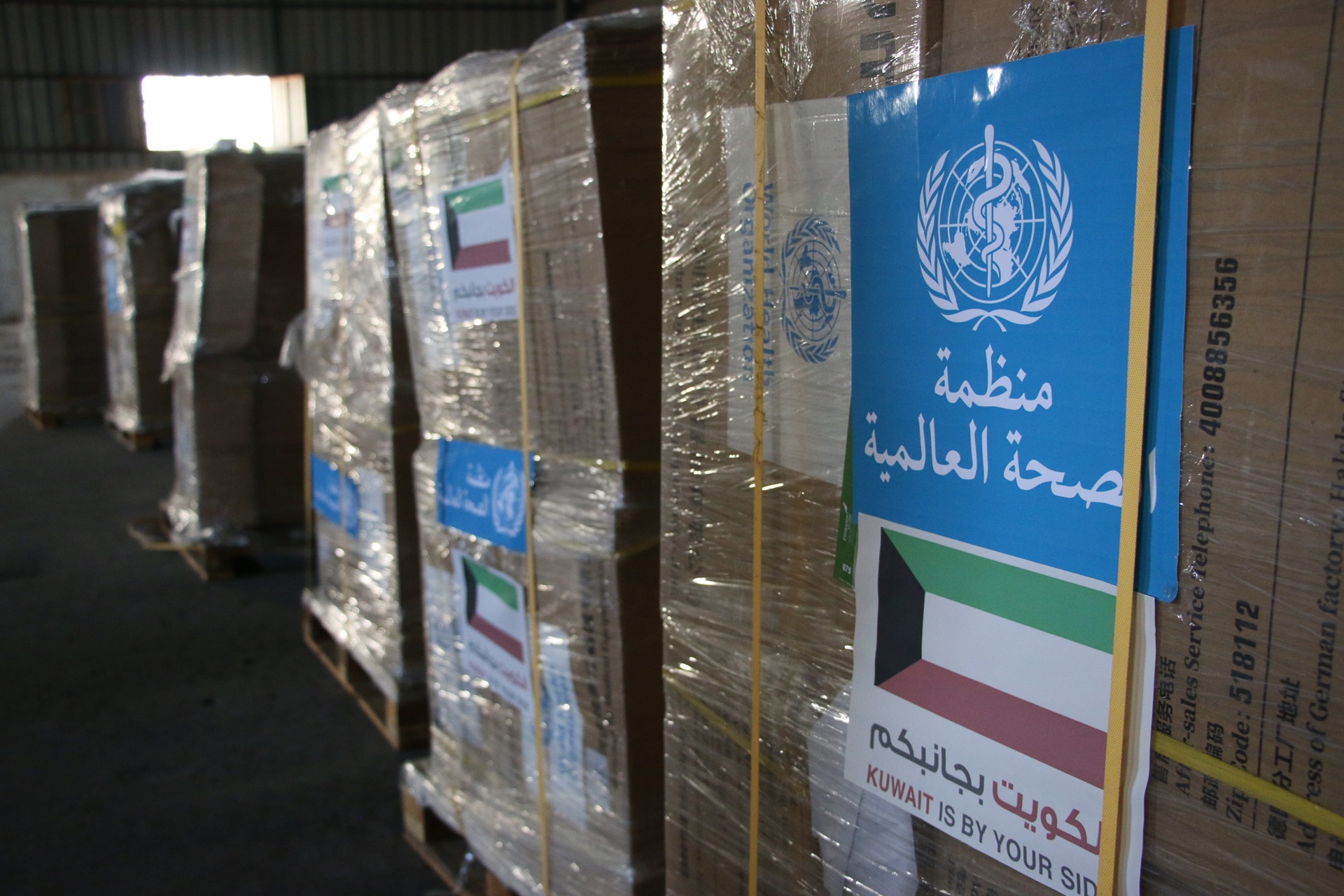
The World Health Organization and the State of Kuwait have a long-standing strategic partnership to provide much-needed support and assistance to communities around the world. Kuwait has been one of the world’s largest humanitarian donors and is among WHO’s top 40 donors.
The partnership between WHO and Kuwait goes beyond mobilizing resources for WHO programmes and includes collaboration on global projects. These are focused on advocacy, capacity development and technical collaboration with the aim of achieving the Sustainable Development Goals and providing health assistance that alleviates the suffering of millions around the world. Kuwait has been a loyal advocate and dedicated supporter of WHO’s Health Emergencies Programme (WHE), and has been a strong partner and advocate for WHO's mandate and operations. Kuwait was amongst the first global partners to respond with financial support to urgent appeals for outbreaks of COVID-19, Ebola, cholera and measles.
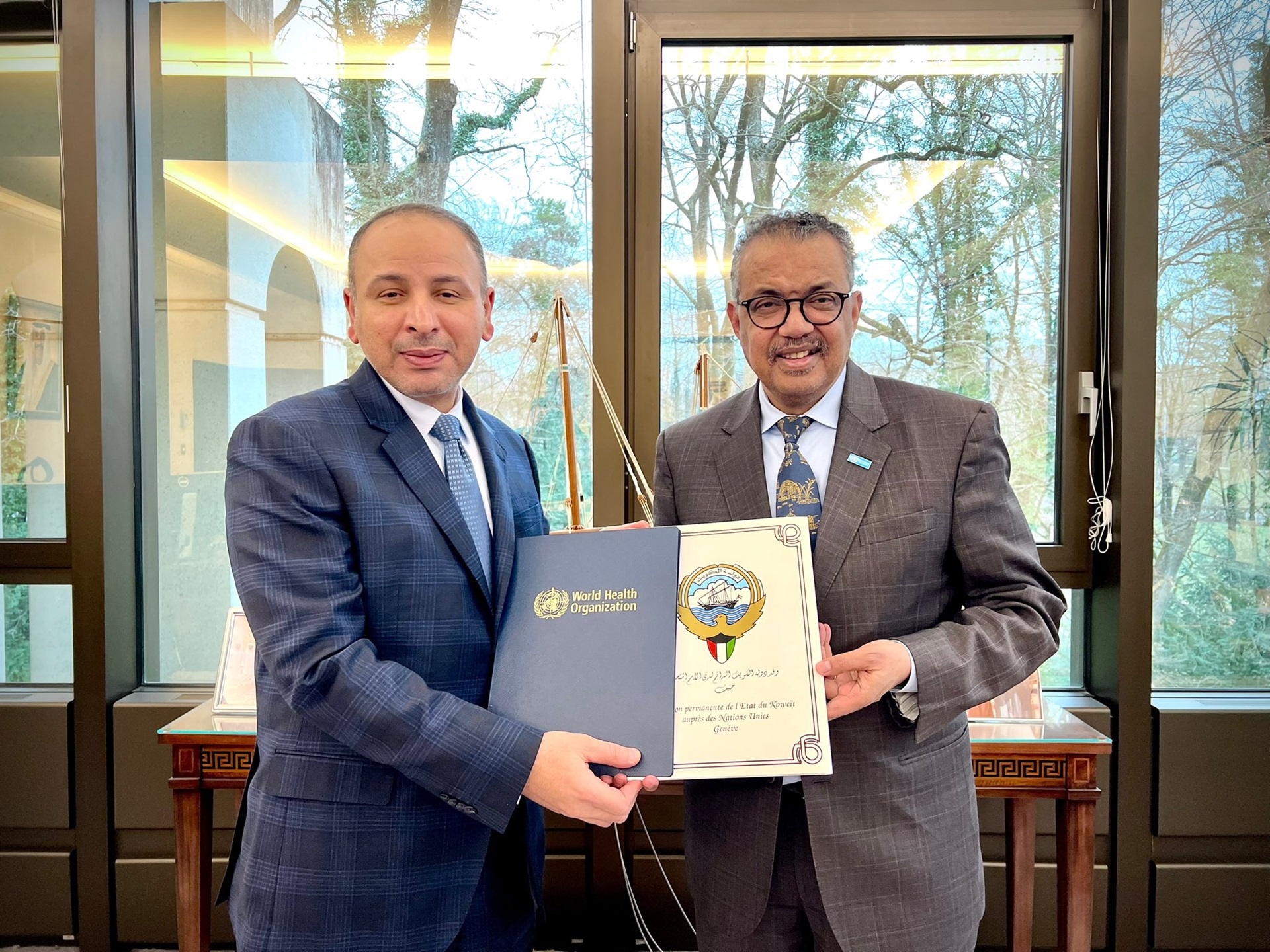
H.E Naser Abdullah Alhayen, Kuwait and DG
©
Credits
H.E. Naser Abdullah Alhayen, Permanent Representative of Kuwait to the United Nations Office at Geneva.
/resource-mobilization-(crm)/engagement-established-government-contributors-(eeg)/minister-of-health-kuwait-and-dr-tedros.tmb-1920v.jpg?sfvrsn=dcf57aa4_1 "Minister of Health KUW - Dr Tedros")
The State of Kuwait has systematically taken a lead role in organizing and co-organizing international pledging conferences in support of various humanitarian operations including in Iraq, Palestine, Syria and for the Rohingya, to name only a few.
Kuwait’s global humanitarian role has been celebrated and appreciated within the humanitarian community for its immediate support to alleviate the suffering of people in need. The State of Kuwait was designated as an international humanitarian centre and H.H. the Amir of Kuwait as a humanitarian leader by the former United Nations Secretary-General Ban Ki-Moon in recognition of his global role in advocating for humanitarian relief efforts and assistance.
The State of Kuwait: A top WHO donor
Kuwait has solidified its position as one of the most important strategic global partners to WHO, providing significant funds that have enabled WHO to deliver much-needed health assistance that alleviates the suffering of millions of people around the world. In 2022-2023 biennium, Kuwait ranked 40th amongst Member States.
Moreover, Kuwait has demonstrated its commitment as global partner in health as it is the first and only contributor from the Eastern Mediterranean Region to WHO’s Contingency Fund for Emergencies (CFE). In 2022-2023, Kuwait was the 8th largest contributor to the CFE. These funds play a critical role in helping WHO and its health partners respond to disease outbreaks and health emergencies within hours, thereby saving lives and resources. In 2020, the CFE enabled WHO to respond to 29 emergencies including 26 outbreaks and six natural disasters.
In 2022-2023 biennium, Kuwait ranked as 8th top contributor to the CFE and 40th contributor to WHO amongst Member States.
More about the strategic support of the State of Kuwait to WHO is available in the Programme Budget Portal.
Top priorities
- Health emergencies and humanitarian aid
- COVID-19 global response
- Neglected tropical diseases
- Cholera
- Measles
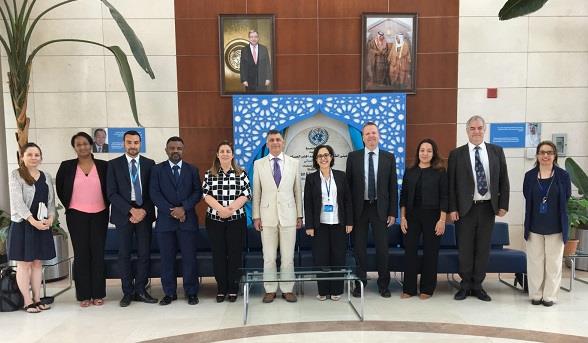
WHO/N.Banatvala
Mission team with UNRC and some of the UNCT members following the debrief
Mission team with UNRC and some of the UNCT members following the debrief
©
Credits
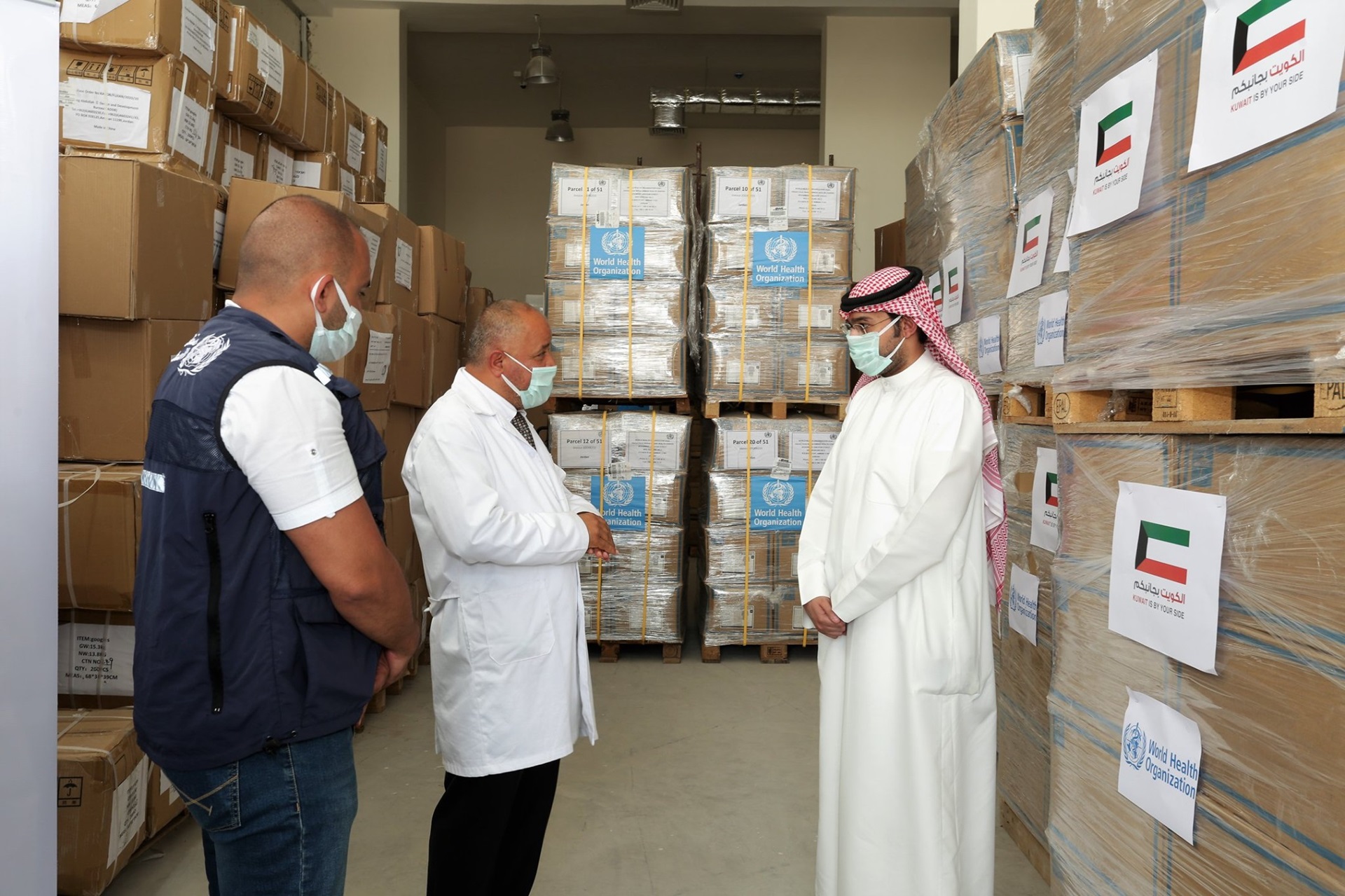
WHO/Jordan
©
Credits
Health emergencies and humanitarian aid
Kuwait has been working alongside WHO to provide essential, lifesaving support in health emergencies and humanitarian crises. Over the years, Kuwait has supported WHO during COVID-19, Ebola and cholera outbreaks, as well as sudden-onset emergencies such as the Iran 2019 floods.
During 2022-23, Kuwait has been a key WHO partner, collaborating on urgent life-saving medical and humanitarian support to emergencies globally. Kuwait supported WHO operations in Türkiye and Syria in the aftermath of the February 2023 earthquake. Kuwait has also supported WHO operations and emergency responses in Afghanistan, Ukraine, Sudan and Pakistan.
COVID-19 global response
Kuwait is contributing to strengthen country-level coordination, planning and monitoring; support the establishment and operationalization of national and sub-national health emergency operation centres; improve national capacity on risk communications and community engagement; enhance national surveillance capacities; strengthening national laboratory capacity; help mitigate outbreaks; upgrade the diagnostic testing capacities of reference laboratories; reinforce the pharmaceutical sector, including provision of medical supplies and products; and assess the burden on local health systems, and on the capacity to safely deliver primary health care services.
Beneficiary countries include Iraq, Iran, Jordan, Lebanon, occupied Palestinian territories and Tunisia.
Health projects targeting internally displaced persons and refugees include the following activities in Syria:
- strengthening access to primary health care services for Syrian refugees inside and outside camps;
- improving access of Syrian refugees with chronic diseases to medical and follow-up services;
- improving water quality and establishing waste management measures in the refugee camps;
- strengthening coordination and health system components;
- strengthening disease surveillance.
And in Yemen, providing vulnerable people with access to essential health services close to where they live, including:
- general services and trauma;
- child and nutrition care;
- reproductive, maternal and newborn care;
- mental health;
- communicable diseases;
- and life-threatening noncommunicable diseases.
ACT-Accelerator
The State of Kuwait is amongst the partners that contribute to the WHO ACT-Accelerator (ACT-A) initiative. The initiative was launched in April 2020 to accelerate development of effective and affordable COVID-19 diagnostics, therapeutics and vaccines, and make them accessible to all.
Kuwait also supports global health actions and programmes, such as global procurement of essential medical supplies; supply chain management; emergency response capacity; strengthening the Supply Chain Task Force to provide a channel for countries to request critical healthcare supplies; and launch of the COVID-19 supply portal, which provides access to personal protective equipment, biomedical equipment, and diagnostics supplies.
Syria
Millions of people in Syria continued to bear the brunt of intense hostilities that uprooted families from their homes, claimed civilian lives and damaged and destroyed health facilities, water and sanitation networks and other basic infrastructure. Small-scale outbreaks of measles and diarrhoeal diseases and rising rates of cutaneous leishmaniasis were fuelled by hostilities, displacement and poor living conditions. Almost half the country’s hospitals were closed and many of those that remained open were operating at minimum capacity, with severe shortages of staff, medicines and supplies.
With the support of Kuwait, WHO has over the years provided several million people with critical medicines to treat life-threatening chronic conditions, such as cancer, renal failure, epilepsy, asthma and diabetes. The Kuwaiti support helped WHO secure pressingly needed medical support, fill gaps in underfunded programmes and ensure continuity operations; the support also enabled life-saving interventions that were overshadowed by the ongoing emergency.
Iraq
Kuwait has supported the WHO project “Emergency health operations for displaced Iraqi nationals” and contributed to the scale-up in assistance to displaced populations, refugees and host communities in Iraq. This project aimed to reduce mortality and morbidity amongst 500 000 internally displaced people, improve access to essential health care services, and increase capacity to prevent outbreaks of epidemic-prone diseases.
With the support of Kuwait, WHO was able to provide the federal and regional Kurdistan governments with technical expertise and monitoring and evaluation of health services to the affected population. This support has brought internally displaced people (IDPs) and Syrian refugees access to preventive and curative health care services through close coordination with national health authorities and partners and complementary programmes and activities for the best possible use of available resources.
Through this project, internally displaced people in hard-to-reach areas have gained access to critical life-saving services that kept mortality below threshold levels and reduced public health risks and communicable disease outbreaks. In partnership with international and local NGOs, WHO established health centres in several camps and closely monitored the centres through on-site visits and partners’ reporting mechanisms. WHO also established an EWARN system to monitor epidemic-prone diseases. Children were also immunized against measles and polio.
Neglected tropical diseases
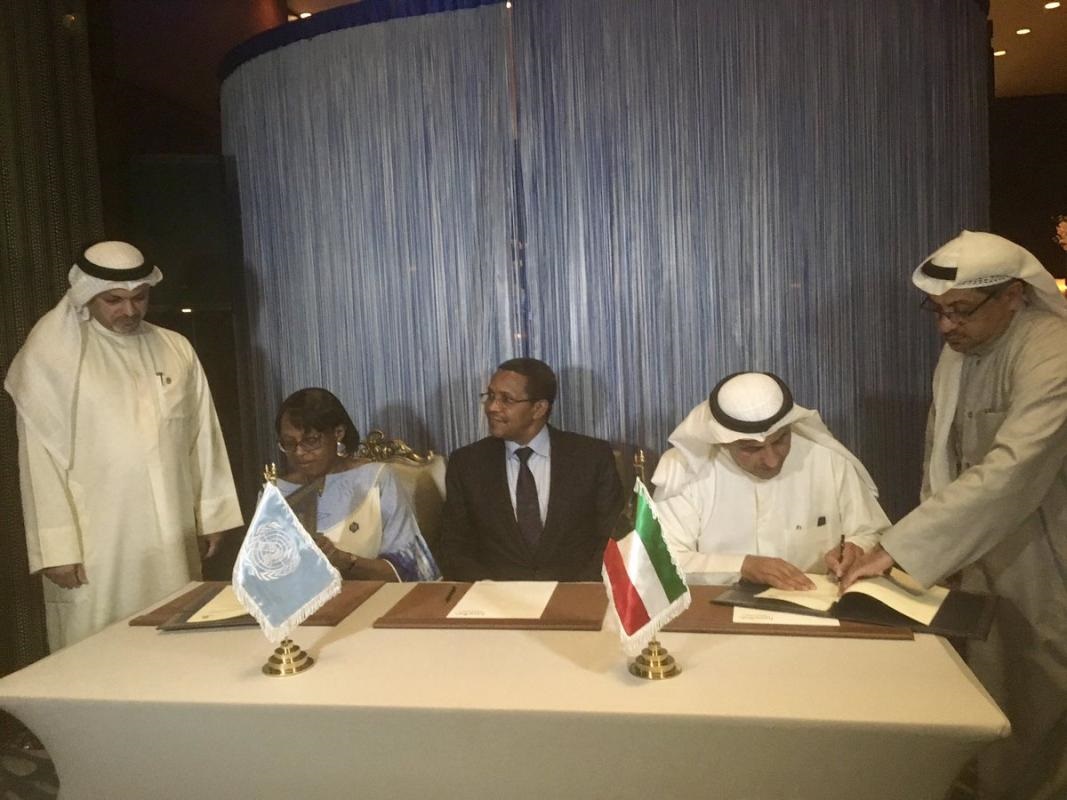
Expanded Special Project for Elimination of Neglected Tropical Diseases (ESPEN)
The State of Kuwait through the Kuwait Fund for Arab Economic Development (KFAED) supports the Expanded Special Project for Elimination of Neglected Tropical Diseases (ESPEN). A five-year project, ESPEN was launched in 2016 by the WHO Regional Office for Africa. Its objective is to provide national NTD programmes with technical and fundraising support to help them accelerate the control and elimination of the five neglected tropical diseases amenable to preventive chemotherapy with the greatest burden on the continent: onchocerciasis, lymphatic filariasis, schistosomiasis, soil-transmitted helminthes and trachoma, which collectively affect hundreds of millions of people.
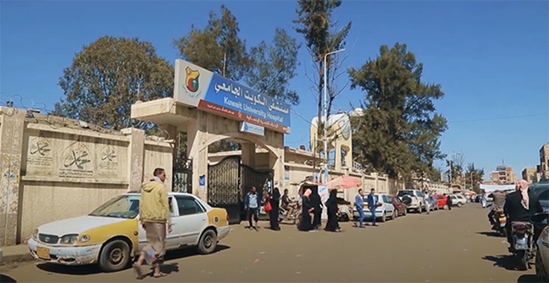
Kuwait's support in Yemen
Yemen
Kuwait has supported WHO in providing vulnerable people with access to essential health services close to where they live. These include general services, trauma services, child and nutrition care, reproductive, maternal and newborn care, services for mental health, communicable diseases and life-threatening noncommunicable diseases.
WHO continues to scale up health activities, and with the support of Kuwait, conducted multiple rounds of vector control campaigns to fight dengue, supported 60 medical teams, including 10 emergency medical mobile teams and 21 surgical teams stationed near active frontlines, provided anti-cancer drugs to 12 oncology centres, and provided 21 dialysis centres with renal sessions across Yemen. WHO has also been procuring and transferring emergency medical supplies, medicines and other health supplies that are extremely limited and desperately needed in the country.
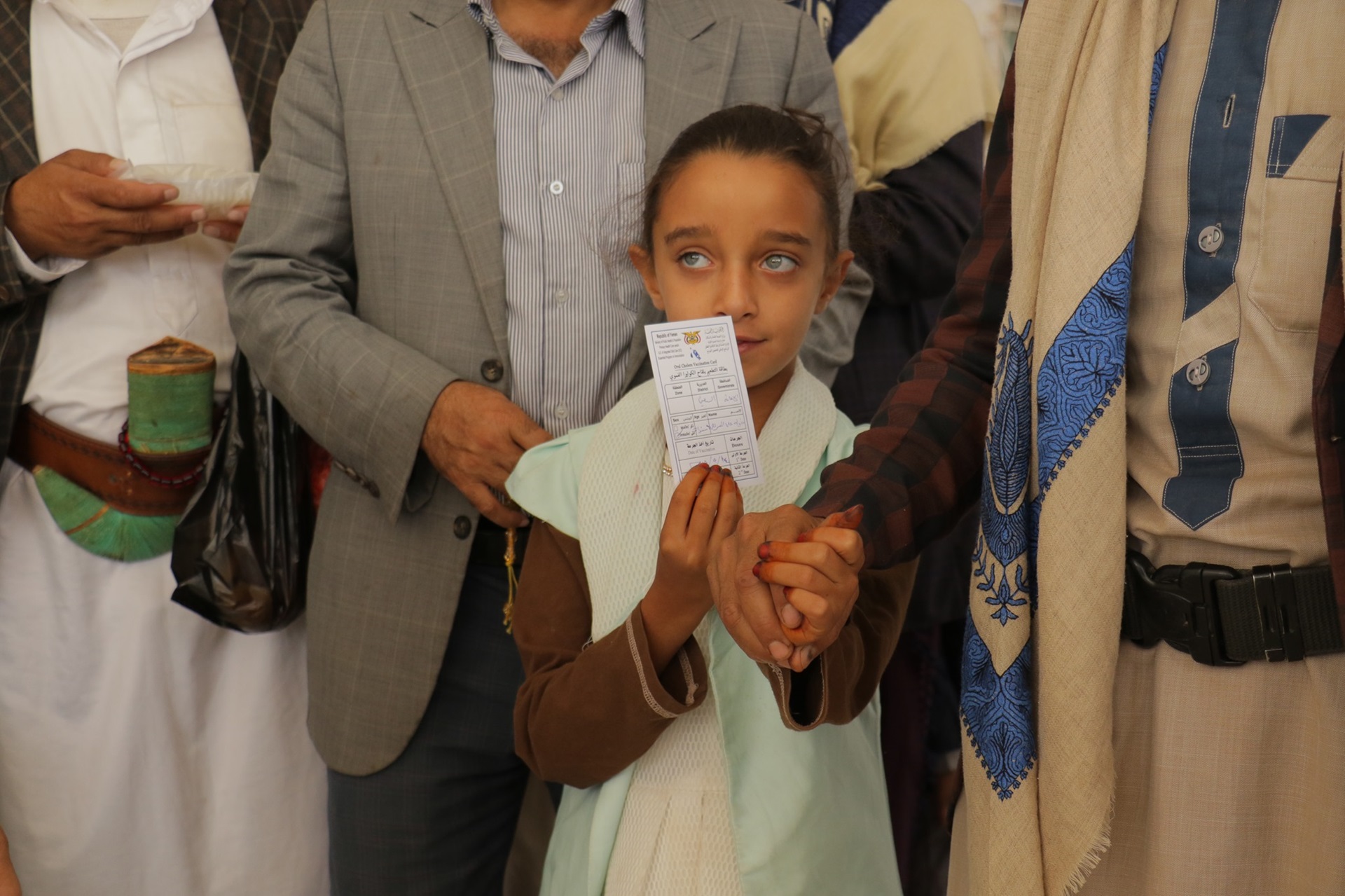
Cholera in Yemen
In Yemen, WHO protected over 1 million people from cholera, through oral cholera vaccine campaigns across the country between 2018 and 2020. Kuwait has been supporting WHO's cholera programme in Yemen since 2017. Children under 5 account for about a third of the total suspected cases.
Cholera has been reported in 22 out of Yemen’s 23 governorates, and 306 out of the country’s 333 districts. To help severely malnourished children suffering from medical complications, WHO supports 269 health facilities in Yemen and has established 51 therapeutic feeding centres in 17 governorates. WHO has also established 72 diarrhoeal treatment centres and 25 oral rehydration centres for the treatment of cholera and other diarrhoeal diseases.
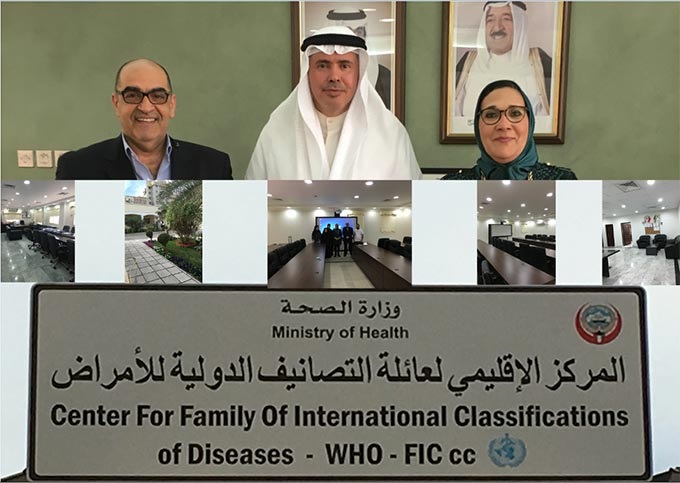
WHO Collaborating Centre in Kuwait
Read more on WHO's Collaborating Centre for WHO Family of International Classifications, established in 2016.



Thanks @KuwaitMissionUN Ambassador Naser Abdullah AlHayen for 🇰🇼’s contribution of $15 million for @WHO’s response to the 🇸🇾 & 🇹🇷 earthquakes. We also discussed broader humanitarian needs in @WHOEMRO region. We’re grateful for 🇰🇼’s help to deliver care to people living in crises. pic.twitter.com/Ljf61hH3fe
— Tedros Adhanom Ghebreyesus (@DrTedros) March 20, 2023
Shukran jazeelan, Amb. Naser Abdullah AlHayen, for #Kuwait’s generosity and new contribution to @WHO’s response in #Afghanistan to serve the vulnerable. We appreciate your continuous support to the Contingency Fund for Emergencies and the Health Emergency Appeal @KuwaitUNGeneva pic.twitter.com/rY33xYdckh
— Tedros Adhanom Ghebreyesus (@DrTedros) January 25, 2023
.@WHO and the State of #Kuwait have had a long-standing strategic partnership in providing much-needed support around the world. 🇰🇼 is one of the world’s largest humanitarian donors and is among WHO’s top 20 donors. We greatly value this support. pic.twitter.com/Kd5xImKK7P
— Tedros Adhanom Ghebreyesus (@DrTedros) June 15, 2021
Shukran jazeelan my brother Sabah Al-Khalid Al-Sabah, 🇰🇼 Prime Minister, for your warm hospitality & very productive discussion on how to end the #COVID19 pandemic. We agreed that #VaccinEquity & solidarity are the only way forward. We must leave no one behind! pic.twitter.com/Wmbg3u0Nzp
— Tedros Adhanom Ghebreyesus (@DrTedros) July 28, 2021
Thank you for your outstanding commitment to fight #COVID19, @anmas71, Foreign Minister #Kuwait. @WHO welcomes your contribution of USD 15M in addition to the previously committed USD 40M (total USD 55M) to support vulnerable health systems. Together!https://t.co/UnuBmBGDx3
— Tedros Adhanom Ghebreyesus (@DrTedros) April 1, 2020
Thank you #Kuwait 🇰🇼 for continued support to the Contingency Fund for Emergencies, which enables @WHO to respond quickly to health emergencies and save lives. In 2019 WHO responded within 48 hours to 27 emergencies using this critical funding mechanism. pic.twitter.com/0VxEnx1vbm
— Mike Ryan (@DrMikeRyan) February 19, 2020
Honoured to meet with His Royal Highness Mishal Al-Ahmad Al-Jaber Al-Sabah, 🇰🇼 Crown Prince. We had a very good discussion on the #COVID19 situation 🌍 & 🇰🇼's response. We couldn't agree more that the 🌍 must learn the lessons of this pandemic & better prepare for future ones. pic.twitter.com/JoPheQ7FxF
— Tedros Adhanom Ghebreyesus (@DrTedros) July 28, 2021