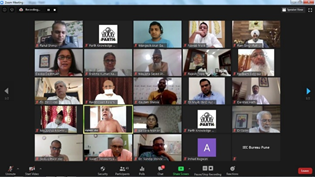
Strengthening partnerships with the faith community
Throughout history, religious leaders, faith-based organizations, and faith communities at all levels, have played a key role in health emergency preparedness and response, and in many places, in ongoing health service delivery.
In particular, health emergencies have demonstrated the important role faith partners, as trusted community leaders, play in mobilizing community led action to protect, care for and advocate for marginalized or vulnerable people; sharing critical, accurate and tailored health information; and providing spiritual care, guidance and support during times of crisis and uncertainty. The COVID-19 pandemic has magnified this role, especially given the importance of contextualizing guidance and recommendations for different faiths in real time to limit transmission and save lives.
WHO recognizes this integral role and is working together with the faith community to support national governments to achieve joint health goals. Working with faith partners results in more people being better protected from health emergencies; prepared and resilient to new emergencies; and enjoying better health and well-being, including improved trust and social cohesion.
To help shape future work the WHO EPI-WIN team launched three ‘Communities of Practice’ (COPs) in late 2020 to foster collaboration and knowledge exchange with faith partners around: communications, research and learning, and development of a strategy for engagement. This work, along with high-level dialogue, advocacy and faith-specific guidance is ongoing.