





A brief outline

World Neglected Tropical Diseases Day 2026
Unite. Act. Eliminate.
58
countries
have now eliminated at least one NTDs
1.4
billion people
requiring interventions against NTDs
41%
decline
in NTD aid between 2018 and 2023

Message from Dr Tedros Adhanom Ghebreyesus, Director-General, WHO

World Neglected Tropical Diseases Day is observed every year on 30 January
Neglected tropical diseases (NTDs) are a diverse group of conditions that still affect one billion people worldwide, primarily in vulnerable and underserved communities. Yet they are preventable, treatable, and can be eliminated. In 2024, around 1.4 billion people required interventions against neglected tropical diseases, a 36% decrease from 2010. As of early 2026, 58 countries have successfully eliminated at least one NTD—demonstrating significant progress toward the WHO’s global target of 100 countries reaching elimination by 2030.
However, this hard-won progress is now at risk. Deep cuts in official development assistance for global health, particularly for NTD programs, threaten to stall or reverse gains and negatively impact the lives of affected communities.
Proven, low-cost tools exist, such as preventive chemotherapy—which delivers an estimated $25 in economic benefits for every $1 invested—yet NTDs remain among the most underfunded areas in global health.
On World NTD Day 2026, we must answer the call to unite, act, and eliminate NTDs, building a safer and more resilient world for everyone. We urge countries to invest in better tools, systems, approaches, and partnerships so that domestically owned and financed NTD programmes are sustainable. We call on partners to continue to honor commitments, protect hard-earned gains, unlock innovative financing, and implement new approaches.

Let us celebrate country-led successes, champion innovation in diagnostics and treatment, and secure the leadership and resources needed to ensure NTD elimination remains one of the most achievable and equitable goals in global health.
WHO plays a central role in this global effort—setting norms and strategies, coordinating partners to monitor global progress, supporting Member States in overcoming technical and programmatic challenges, and guiding the collective effort to achieve the 2030 control, elimination and eradication targets.
Related events
NTDs at a glance

Buruli ulcer
Target: Control
A bacterial skin infection causing severe ulcers and disability. Progress is slow, but global diagnostic capacity is strengthening, with a growing proportion of cases now laboratory-confirmed.
Leishmaniases
Target for visceral form: Elimination as a public health problem / Target for cutaneous form: Control
A parasitic disease with visceral (affecting internal organs) and cutaneous (skin) forms. Visceral cases dropped significantly, but cutaneous cases have risen recently, driven by health system disruptions in the Eastern Mediterranean Region. Improved reporting in the Region of the Americas revealed progress in case detection and management.
.

Scabies and other ectoparasitoses
Target: Control
Skin infestations caused by mites (scabies) or fleas (tungiasis). These conditions are underreported, but some countries have begun including them in national plans and implementing mass drug administration with ivermectin.

Chagas Disease
Target: Elimination as a public health problem
A parasitic infection transmitted by triatomine bugs, which can lead to cardiac and digestive complications. Eight South American countries have interrupted domestic vector transmission nationwide or in defined areas as of December 2025.

Leprosy
Target: Elimination (interruption of transmission)
A chronic bacterial infection affecting nerves, skin, and eyes. In 2024, Jordan became the first country verified for elimination, though 172 717 new cases were detected globally.

Schistosomiasis (bilharzia)
Target: Elimination as a public health problem
A parasitic disease caused by water-borne flatworms, damaging internal organs. The number of people requiring preventive chemotherapy dropped to 253 million in 2024, while treatments increased to over 100 million.

Dengue and chikungunya
Target: Control
Two viral infections transmitted by mosquitoes, causing flu-like illness and sometimes severe complications. Dengue cases have surged, exceeding 14.4 million in 2024, prompting WHO to classify it as a Grade 3 emergency (the Organization’s highest level of emergency) and prequalify a new vaccine. Effort to map chikungunya advanced.

Lymphatic filariasis (elephantiasis)
Target: Elimination as a public health problem
A parasitic infection transmitted by mosquitoes, leading to severe swelling and disability. Global mass drug administration coverage returned to pre-COVID-19 levels by 2023, reaching a record 74.7% in 2024..

Snakebite envenoming
Target: Control
Poisoning from venomous snakebites, often causing disability or death. Progress includes its designation as a notifiable disease in some countries, the development of national treatment guidelines, and the exploration of potential for local antivenom production.

Dracunculiasis (guinea-worm disease)
Target: Eradication
A parasitic infection caused by a worm transmitted through contaminated water. In 2024, only 15 human cases were reported globally, though animal infections persist.

Mycetoma, chromoblastomycosis and other deep mycoses
Target: Control
Chronic fungal or bacterial infections of the skin and tissues. These remain among the most neglected conditions, with limited data on burden and slow progress in public health programming.

Soil-transmitted helminthiases
Target: Elimination as a public health problem
Infections caused by intestinal worms transmitted through contaminated soil. Mass drug administration with albendazole or mebendazole remains one of the world’s largest public health interventions, reaching 502 million people in 2024.

Echinococcosis
Target: Control
A parasitic tapeworm infection affecting the liver and other organs. Reported cases increased in 2023, but underreporting remains a major challenge, with some countries beginning intensified control efforts..

Noma
Target: Control
A severe, disfiguring disease affecting the face, mostly in malnourished children. Added to the NTD list in 2023, it is now being integrated into the road map, though its true burden is largely unknown.

Taeniasis and cysticercosis
Target: Control
Infections caused by tapeworms; cysticercosis can affect the brain. A monitoring and evaluation framework for public health control was launched in 2024.

Foodborne trematodiases
Target: Control
Infections caused by parasitic flatworms acquired through eating contaminated food. Preventive chemotherapy is implemented in only a few countries, and reporting remains minimal.

Onchocerciasis (river blindness)
Target: Elimination (interruption of transmission)
A parasitic eye and skin disease transmitted by blackflies. Several countries are transitioning to post-treatment surveillance after stopping mass drug administration, with over 170 million people treated annually in 2023–2024.

Trachoma
Target: Elimination as a public health problem
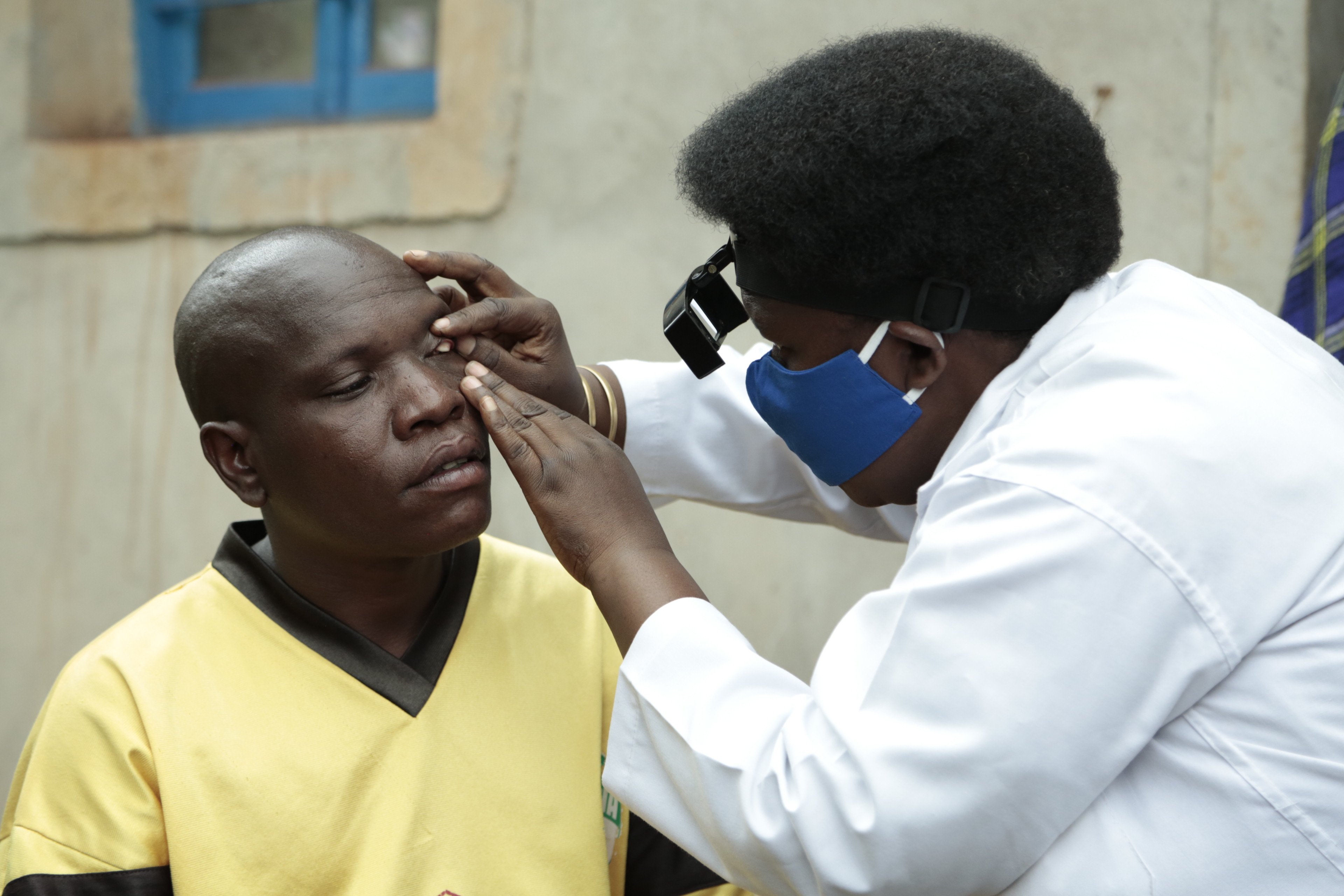
An infectious eye disease caused by bacteria, leading to blindness. 12 countries were validated for elimination as a public health problem between 2023–2025, and the number of people requiring interventions fell sharply to 113.8 million in 2024 from 285 million in 2010.

Human African trypanosomiasis (sleeping sickness)
Target: Gambiense form: elimination (interruption of transmission) / Rhodesiense form: elimination as a public health problem
A parasitic disease transmitted by tsetse flies, fatal without treatment. A total of 583 cases reported in 2024, with nine countries validated as having eliminated it as a public health problem, none has yet achieved interruption of transmission. Some 36 countries remain endemic.

Rabies
Target: Elimination as a public health problem
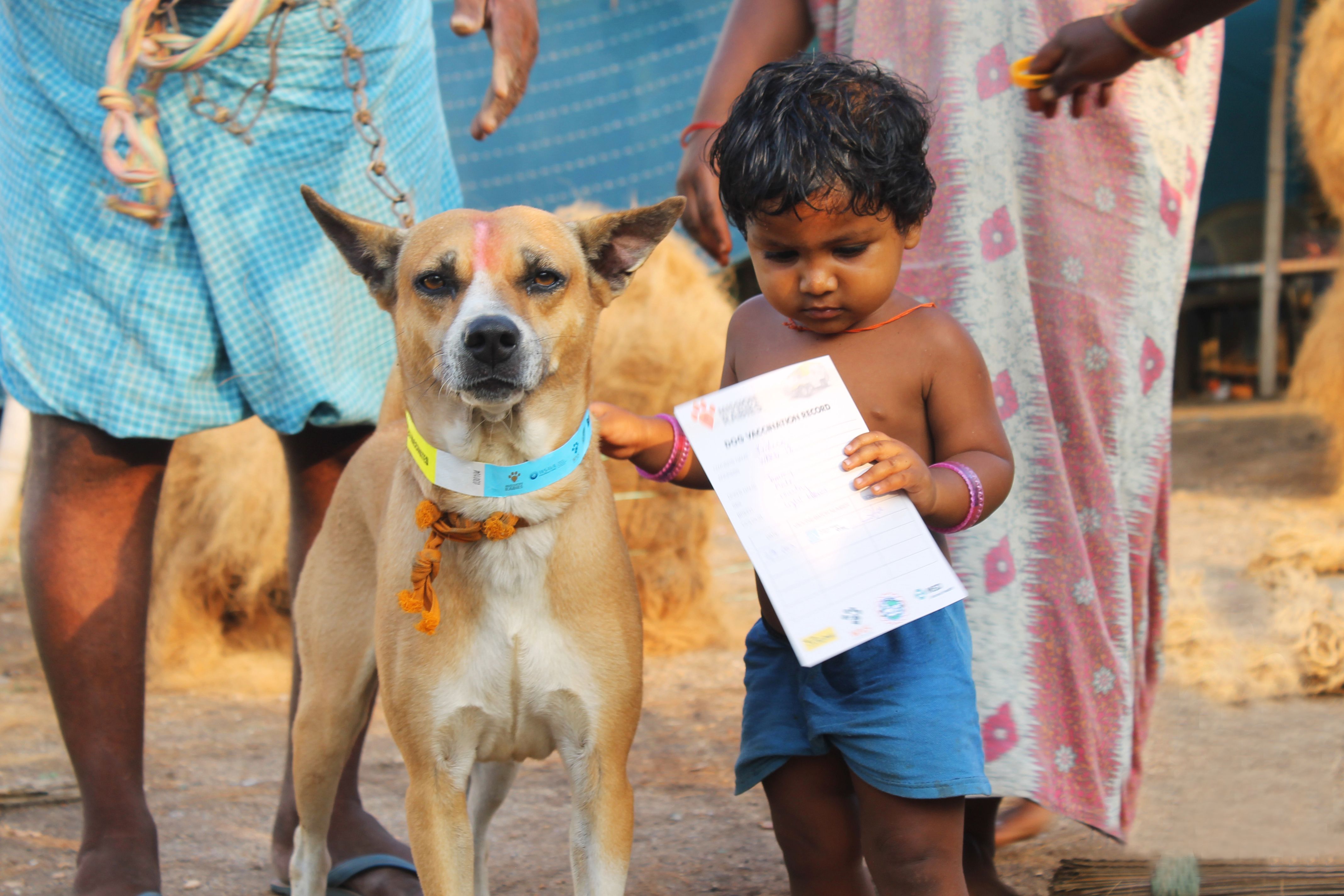
A fatal viral disease transmitted through animal bites. Data collection has improved, leading to more reported deaths (2,298 in 2024), but underreporting remains a major challenge.

Yaws
Target: Eradication
A chronic bacterial infection affecting skin, bones, and cartilage. It remains endemic in 16 countries as of 2025. 82 historically endemic countries are being assessed for the certification of yaws-free status.

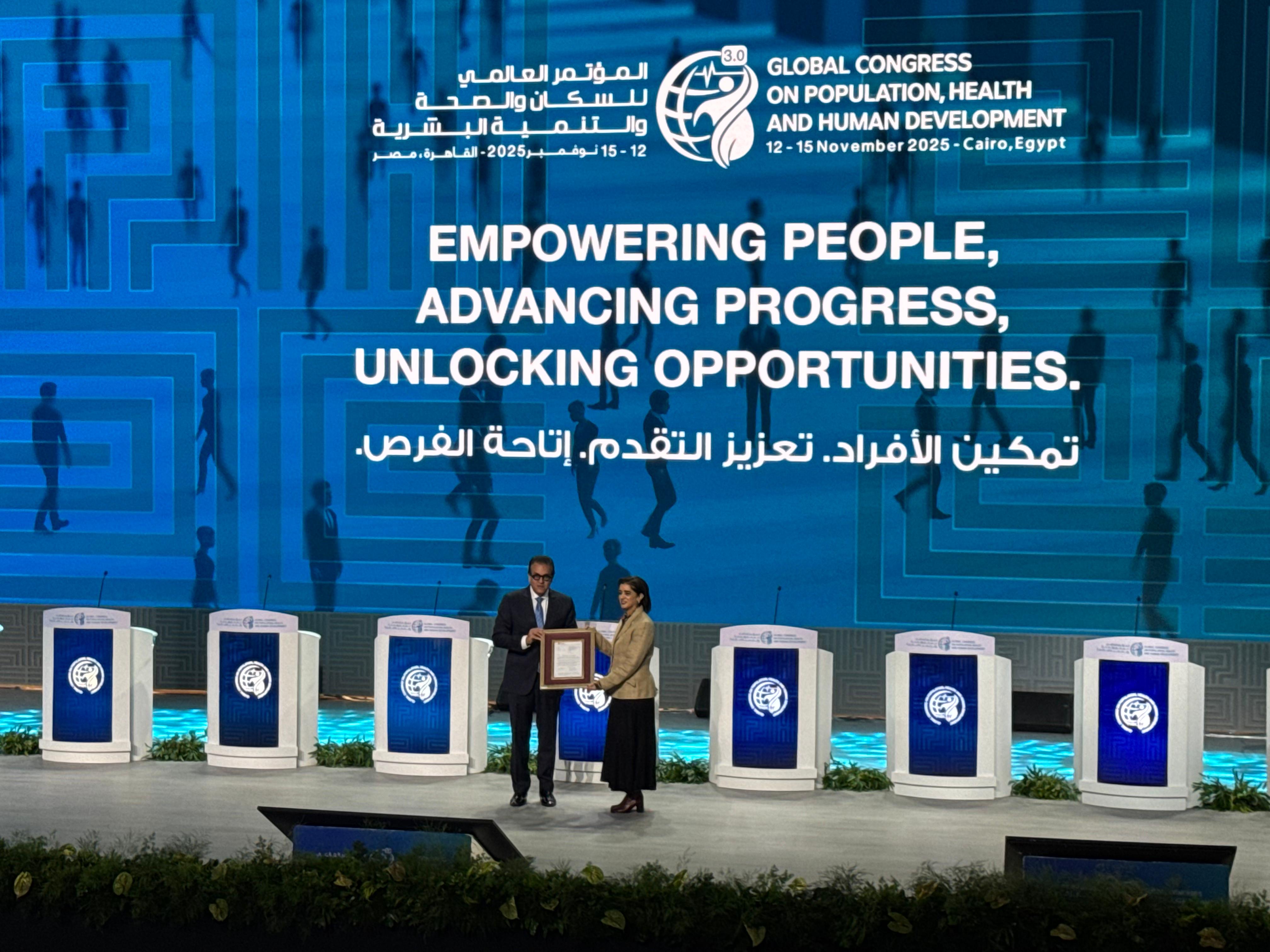



/mauritania-trachoma-elimination-certificate-at-wha78.jpg?sfvrsn=87a5dff7_14 "Mauritania trachoma elimination certificate at WHA78")



/who-academy---website-banner-02.jpg?sfvrsn=17e0dd42_4 "WHO Academy - Website banner 02")

