Primary health care
Across the WHO European Region, profound social, environmental and technological changes are reshaping how people live, age and experience health. Climate pressures, new and recurring health threats, the growing burden of chronic diseases and mental health conditions, and rapid digital transformation are placing new demands on health systems. These forces are interconnected, and responding to them requires systems that are resilient, fair and able to adapt.
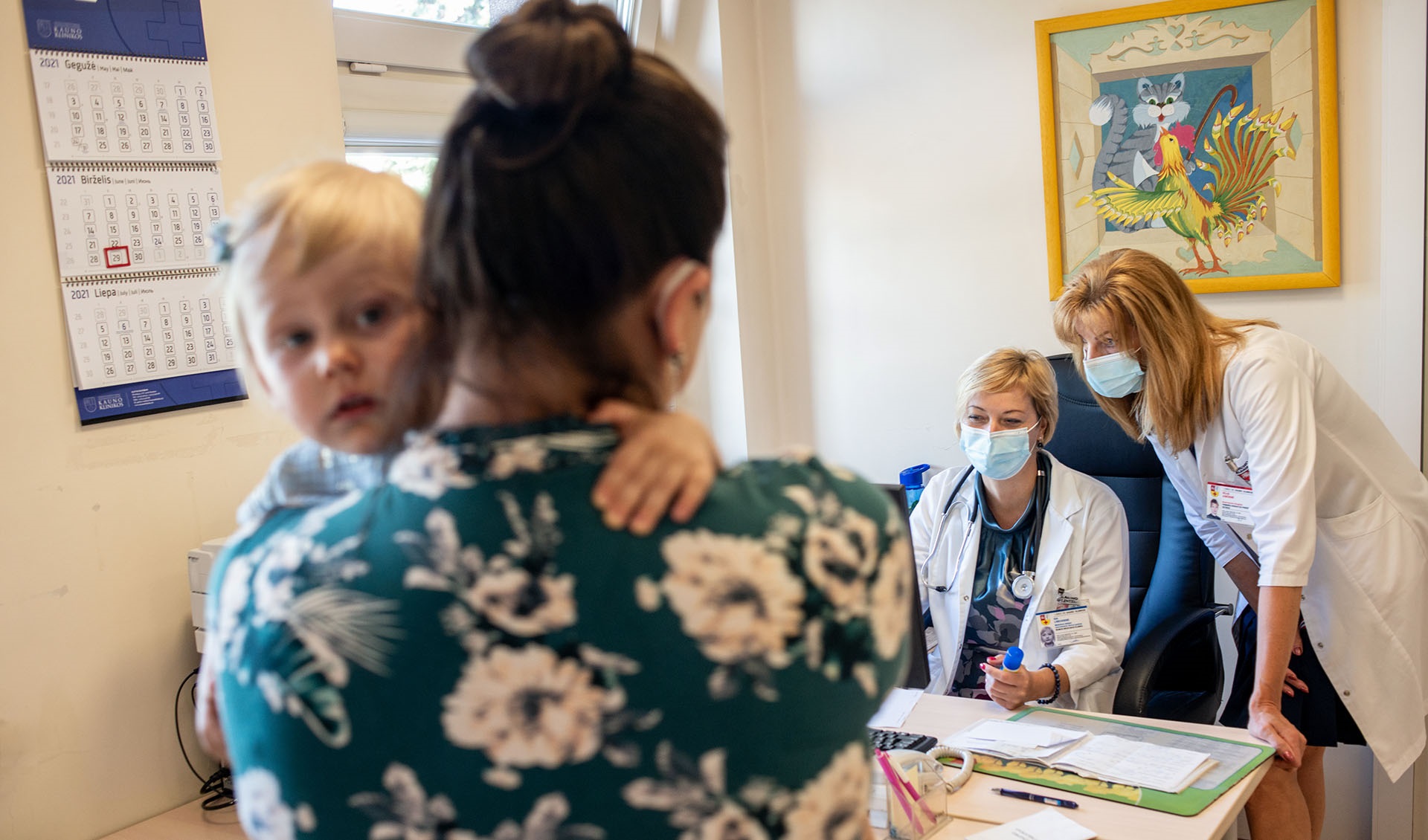
Primary health care is at the heart of this response. It is the first place people turn to for advice, treatment and ongoing support. Close to communities and rooted in trust, primary health care helps prevent illness, manage long-term conditions and guide people through the health system – especially in times of crisis. By bringing services together and focusing on people’s real-life needs, it helps ensure that health systems remain responsive, accessible and sustainable for everyone.
To respond to these challenges, WHO/Europe has placed primary health care at the centre of its work for 2026–2030. Through a cross-cutting special initiative led by the WHO European Centre for Primary Health Care, WHO works with countries to strengthen the services people rely on every day. This means supporting governments to improve leadership and policies, helping health teams deliver more coordinated and preventive care, and using better data to understand what works and where improvements are needed. By connecting policy, practice and evidence, WHO helps countries build stronger health systems that are fairer, more resilient and better prepared for the future.