WHO
© Credits

Social determinants

    Overview

    Social determinants of health are the conditions in which people are born, grow up, live, work and age. These conditions influence a person’s opportunity to be healthy, his/her risk of illness and life expectancy. Social inequities in health – the unfair and avoidable differences in health status across groups in society – are those that result from the uneven distribution of social determinants.

    Impact

    Over the last century, average health status improved in Europe. However, these gains are not evenly distributed across countries or across social groups within the same country. Health inequities can be observed in higher and lower income countries alike across the WHO European Region.

    Poverty is a key factor in explaining poorer levels of health between the most and least well-off countries and population groups within the same country. Yet differences in health also follow a strong social gradient. This reflects an individual or population group’s position in society, which translates in differential access to, and security of, resources, such as education, employment, housing, as well as differential levels of participation in civic society and control over life.

    WHO response
    Social determinants of health and health inequities are amenable to change through policy and governance interventions.

    WHO/Europe supports Member States in tackling socially determined health inequities. It guides actions by providing sound scientific evidence and options for policy-makers to strengthen their governance capacity to systematically act on social determinants of health and reduce health inequities.

    WHO/Europe aims to provide an evidence-based, systematic and accountable approach to the full integration of the social and economic determinants of health into the development strategies of countries in the WHO European Region.

    Activities are developed within two interrelated areas of work:

    • providing a portfolio of services to Member States to increase their capacity to tackle health inequities by addressing social and economic determinants of health; and
    • monitoring, reviewing and systematizing the policy implications of emerging research findings on socially determined health inequities.

    Essential to the delivery of both activities is the development of skills and know-how, designed for policy-makers, practitioners and representatives of nongovernmental organizations, academia and programmes of WHO and other United Nations agencies.


    Feature stories

    All →

    Our work

    All →
    Reducing environmental health inequalities

    Reducing environmental health inequalities

    WHO / Malin Bring
    © Credits

    Overview

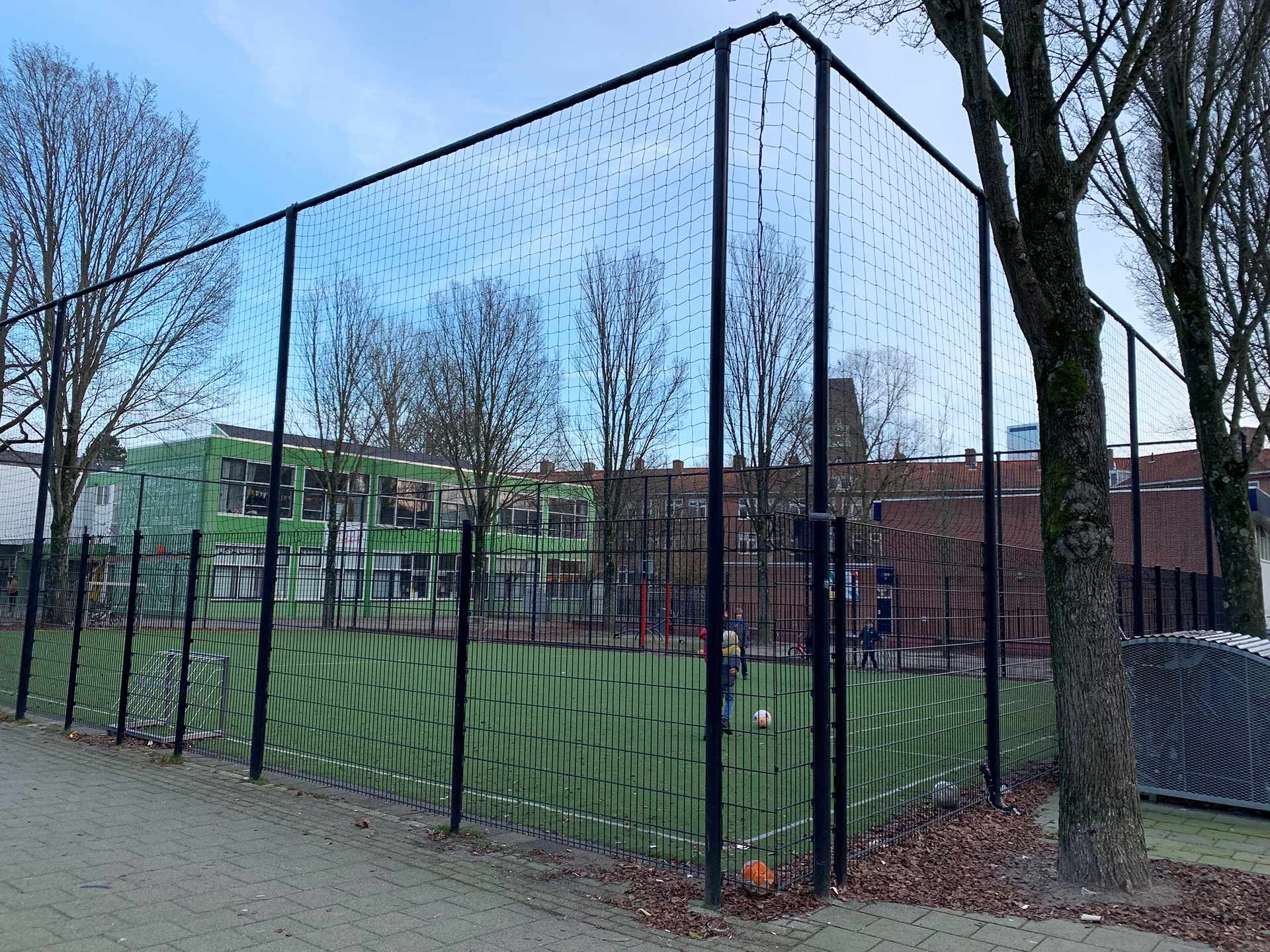
    WHO is working to reduce environmental health inequalities so that everyone across the WHO European Region can live healthy lives.

    Environmental conditions are a major determinant of health and well-being, but they are not the same for everyone everywhere. Inequalities in environmental risk are interlinked with almost all contemporary environmental challenges, including exposure to air pollution, noise, chemicals, contaminated soil and polluted water, and inadequate access to urban nature. The risk of being affected by extreme weather events is also distributed unequally across populations.

    In addition, environmental risks related to housing conditions, such as polluting fuels for cooking and heating, inadequate water and sanitation supply, dampness, and crowding, are also characterized by inequalities. This puts disadvantaged and less wealthy individuals at higher risk of environmental exposures and related health outcomes.

    Environmental health inequalities can be significant, and represent a challenge for many national and local governments in ensuring health for all. Although most countries have achieved environmental improvements, the most affected population subgroups have not benefitted equally. The following list reflects some of these persistent inequalities.

    • Households below the relative poverty threshold are at least 3 times more likely to live in overcrowded conditions in many countries.
    • In some countries, the proportion of the population without access to adequate drinking-water sources is over 5 times higher in the lowest wealth quintile than in the highest.
    • Energy poverty is 3–4 times more frequent in households below the relative poverty threshold in most countries across the Region.
    • In some countries in the eastern part of the Region, polluting fuels are used by 90% of the least affluent population groups.

    At WHO/Europe’s 7th Ministerial Conference on Environment and Health, held in July 2023 in Budapest, Hungary, Member States committed to address the cross-cutting challenge of environmental health inequalities, and to establish equitable environments to support health and sustainable development.

    WHO compiles evidence to support action on environmental health inequalities, quantifying the magnitude of intra-country inequalities for selected environmental health risks in order to identify country-specific priorities for tackling environmental injustice. Furthermore, WHO encourages national and subnational authorities to:

    • collect equity-sensitive data on environmental conditions;  
    • incorporate inequality aspects into environmental, health and infrastructural policies; and
    • address inequality challenges through participatory planning approaches such as health impact assessments and environmental impact assessments.


    Publications

    All →
    Action for climate change: examples from the WHO Regions for Health Network

    Climate change is widely seen as a critical public health challenge. This collection of case studies, developed within the framework of the WHO Regions...

    Unlocking funding for well-being, equity and healthy societies: primer

    Countries across the WHO European Region face severe financial constraints and major challenges, ranging from ageing populations and the rising cost of...

    Related WHO collaborating centres

    WHO collaborating centres are institutions that form an international collaborative network carrying out activities to support WHO’s programmes at all levels. They provide an opportunity for WHO to utilize their inherent expertise for the benefit of all Member States.

    View the list of related collaborating centres