Child health
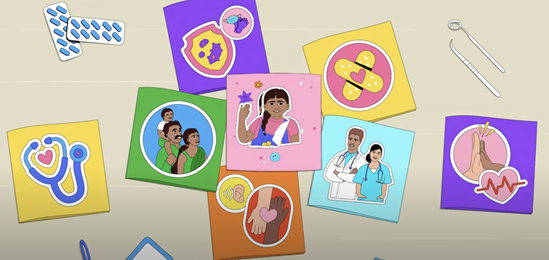
Protecting and improving the health of children is of fundamental importance. Over the past several decades, we have seen dramatic progress in improving the health and reducing the mortality rate of young children. Among other encouraging statistics, the number of children dying before the age of 5 was halved from 2000 to 2017, and more mothers and children are surviving today than ever before.
However, a great deal of work remains to further improve the health outcomes for children. The world is facing a double mandate. More than half of child deaths are due to conditions that could be easily prevented or treated given access to health care and improvements to their quality of life.
At the same time, children must also be given a stable environment in which to thrive, including good health and nutrition, protection from threats and access to opportunities to learn and grow. Investing in children is one of the most important things a society can do to build a better future.
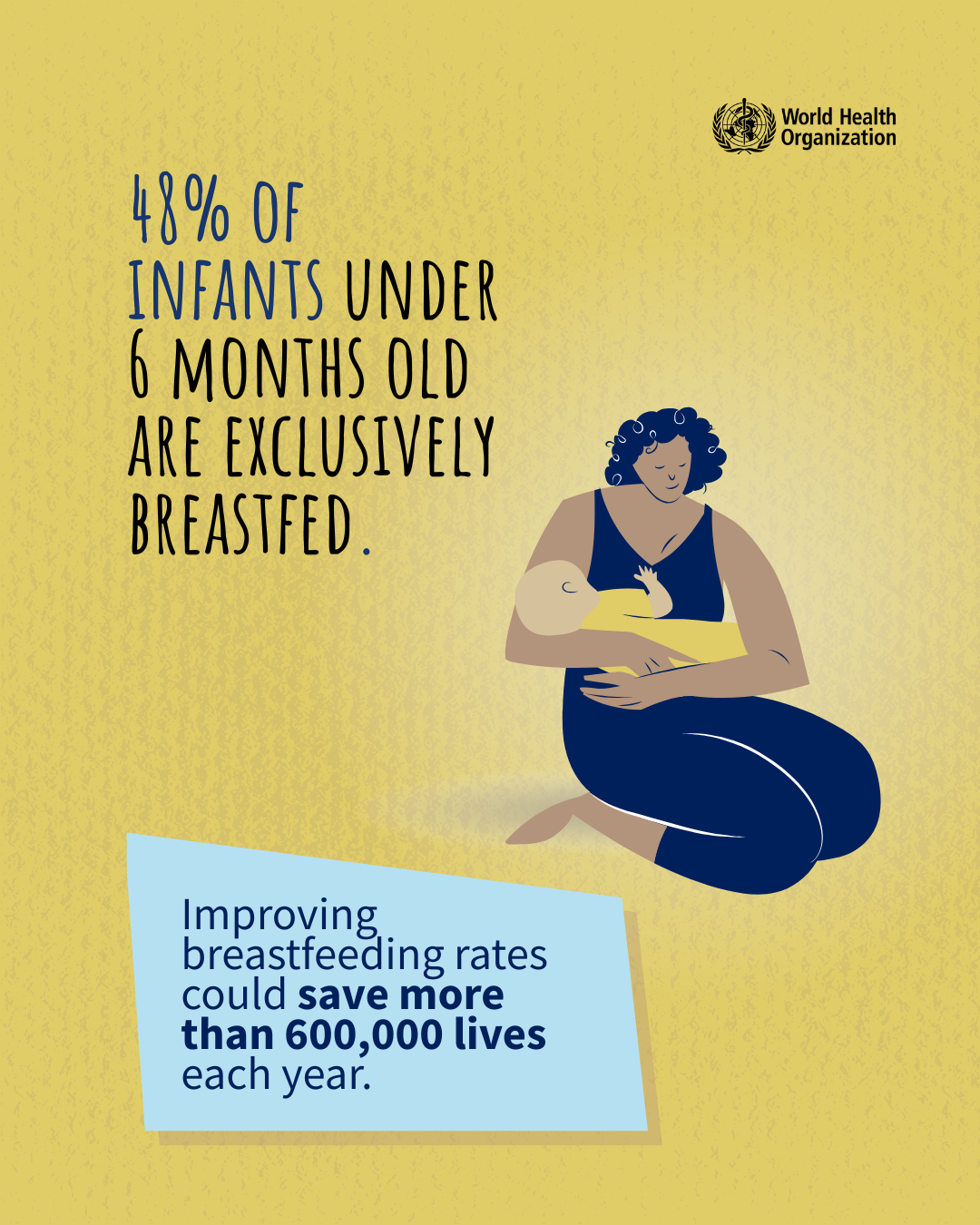
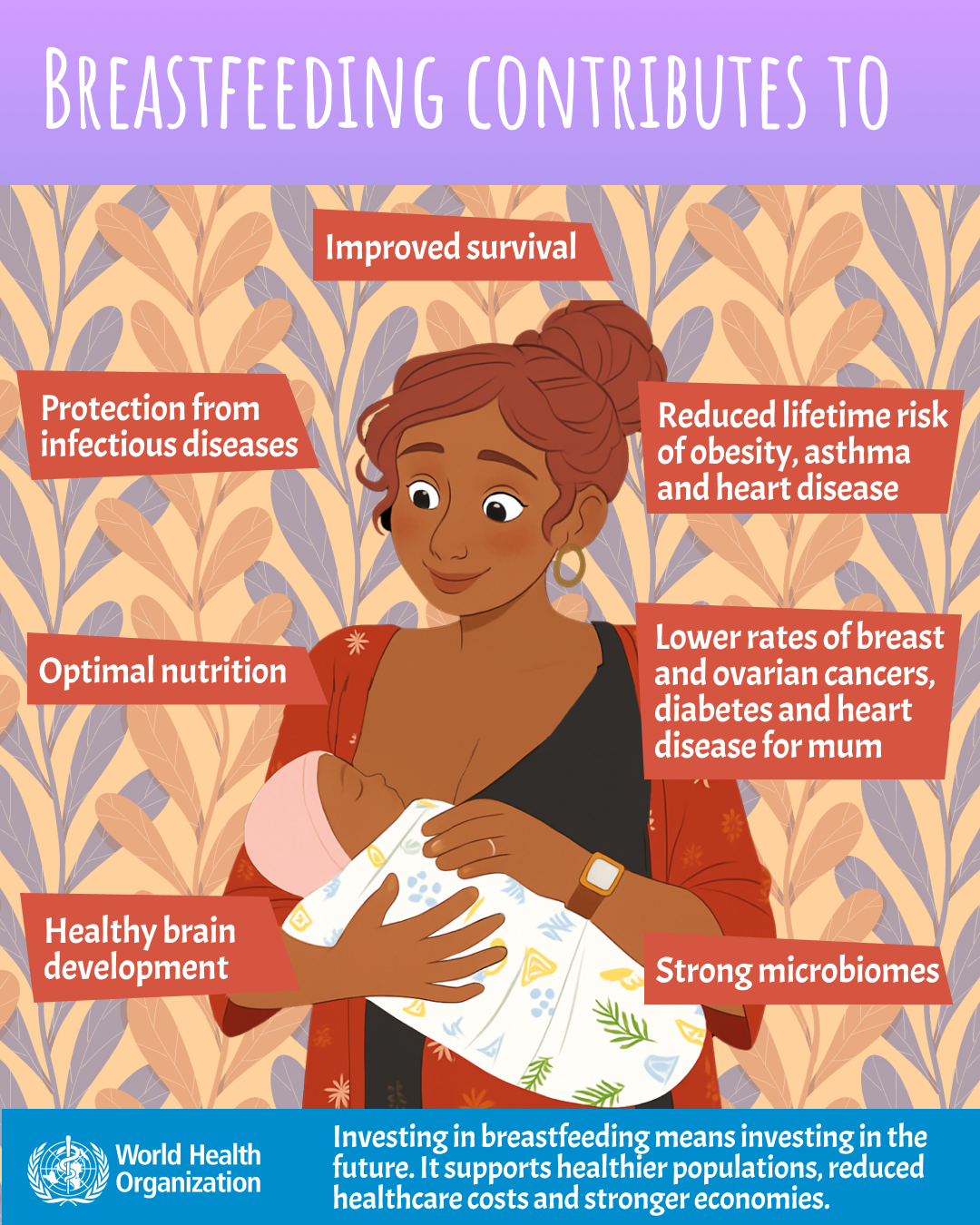
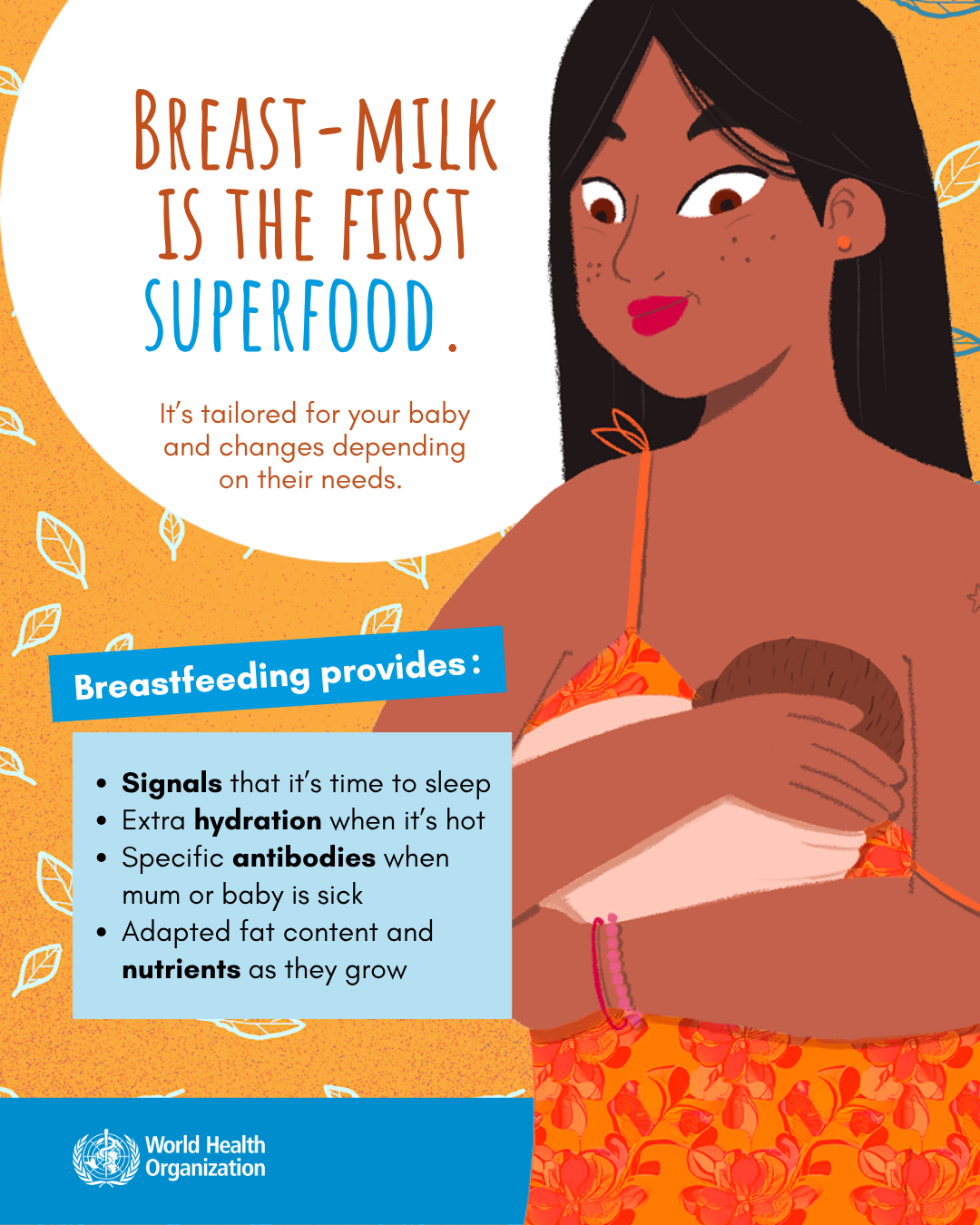
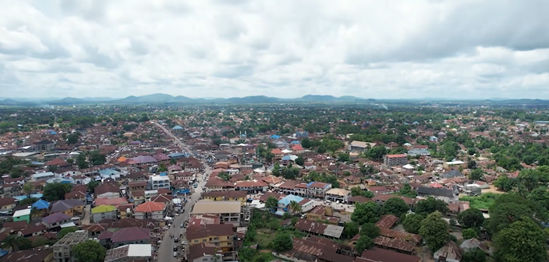
Vast disparities exist around the world in a child’s chances of survival, with low- and middle-income countries disproportionately affected. Sub-Saharan Africa has the highest child mortality rate in the world, in some places 15 times higher than in high-income countries. The leading causes of death among children include respiratory infections, diarrhoeal diseases, measles, malaria, malnutrition and newborn conditions. Many child deaths are preventable through vaccination, adequate home care, access to health care services, improved rates of breastfeeding and better nutrition. However, many of the life-saving interventions are beyond the reach of the world’s poorest people.
Survival is just one of many issues relevant to children’s health. Child health, growth and development are inseparable. In 2016, at least 250 million children were not able to reach their full physical or psychological development. This represents the staggering figure of 43%. Violence against children is also rampant. In 2019, abuse or neglect affected as many as 1 billion children.
WHO works with partners and Member States to improve the lives of all children and meet the targets of Sustainable Development Goal 3, which aims to end preventable deaths of newborns and children under 5 by 2030. If all countries reach this goal, 11 million lives will be saved, more than half of them in sub-Saharan Africa.
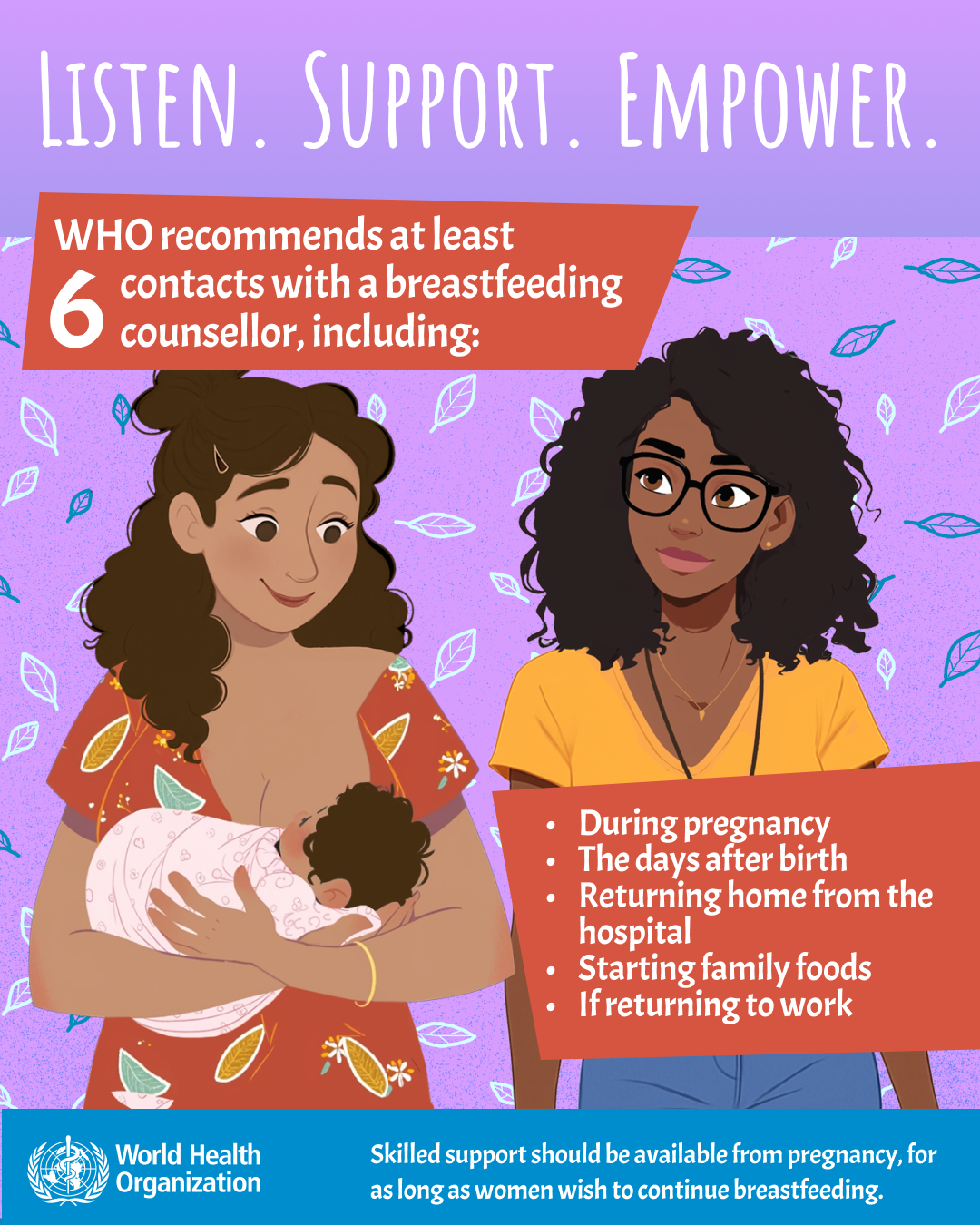
WHO advocates for health equity through universal health coverage (UHC) and the global availability of vaccines to prevent some of the deadliest childhood diseases. WHO also promotes infant and young child feeding, with a focus on exclusive breastfeeding for infants. It has developed and promotes an integrated approach to managing childhood illness that considers all aspects of a child’s health, and a continuum of care throughout the early years to safeguard their developmental outcomes, including the reduction of risk factors for diseases that can arise later in life.
These goals are a collaboration between many WHO departments and coordinated through the Department of Maternal, Newborn, Child and Adolescent Health, and Ageing.