
Influenza (avian and other zoonotic)
Animal influenza viruses are distinct from human seasonal influenza viruses and do not easily transmit between humans. However, zoonotic influenza viruses – animal influenza viruses that may occasionally infect humans through direct or indirect contact – can cause disease in humans ranging from a mild flu-like illness or eye inflammation to severe acute respiratory disease and, in some cases, death.
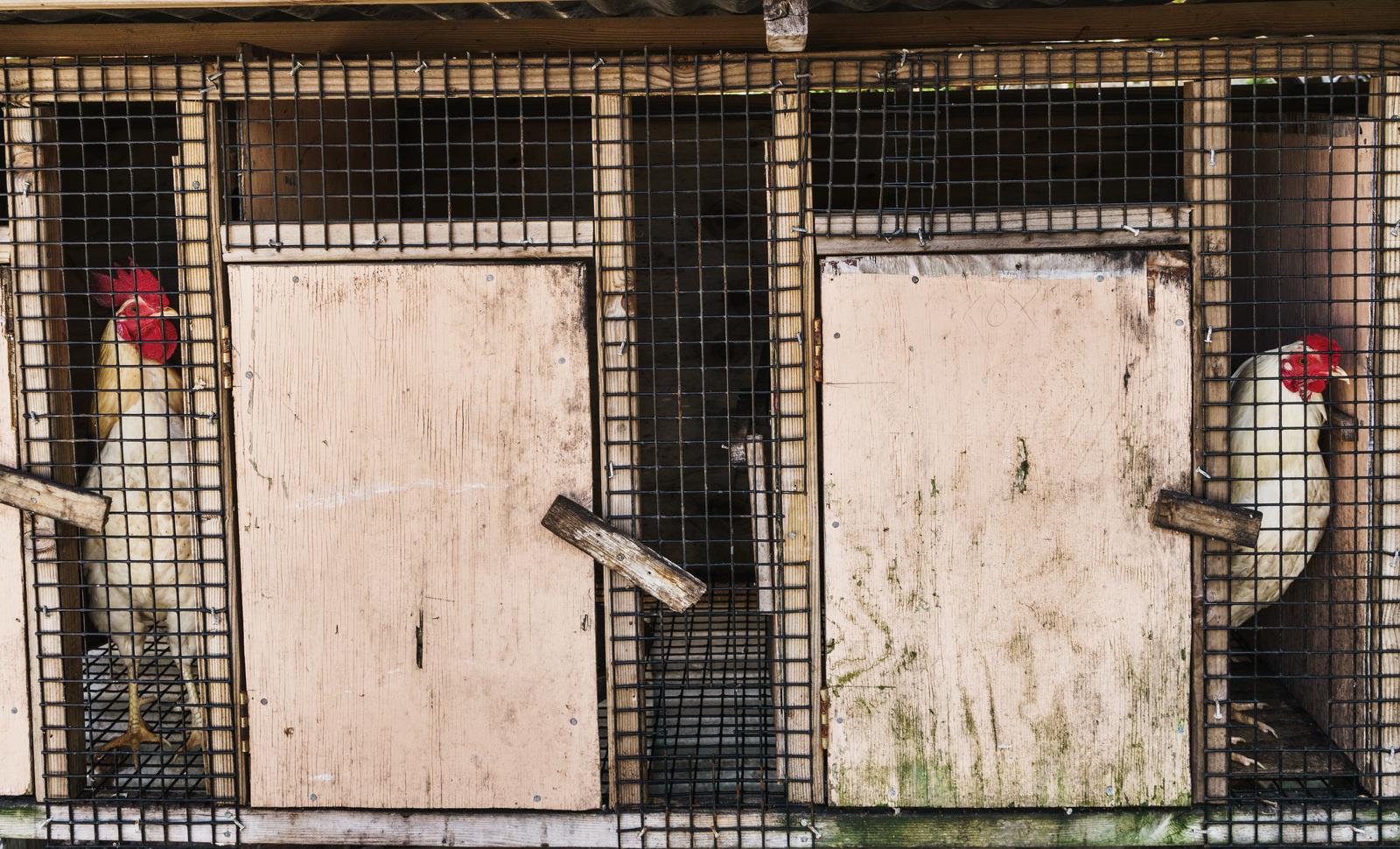
Birds are the natural hosts for avian influenza viruses. After an outbreak of A(H5N1) virus in 1997 in poultry in Hong Kong SAR, China, since 2003, this avian and other influenza viruses have spread from Asia to Europe and Africa. In 2013, human infections with the influenza A(H7N9) virus were reported in China. In 2024, A(H5N1) viruses spread to dairy cattle in the United States of America and caused outbreaks. Some dairy farm workers who had direct contact with the infected cows were also infected.
Most swine influenza viruses do not cause disease in humans, but some countries have reported cases of human infection from certain swine influenza viruses. Close proximity to infected pigs or visiting locations where pigs are exhibited has been reported for most human cases, but some limited human-to-human transmission has occurred.
Just like birds and pigs, other animals such as horses and dogs, can be infected with their own influenza viruses (canine influenza viruses, equine influenza viruses, etc.).
Human infections with avian influenza viruses can cause illness ranging from mild, flu-like symptoms or eye inflammation (conjunctivitis) to severe, acute respiratory disease and death. Gastrointestinal and neurological symptoms have been reported infrequently. Disease severity depends upon many factors, including the virus causing the infection, the nature of exposure, clinical management, laboratory testing, and the characteristics of the infected individual. The reported case fatality rate for human infection with A(H5) and A(H7N9) viruses to date has been higher than that of seasonal influenza. The classification of low or high pathogenicity of avian influenza viruses (LPAI or HPAI) relates to disease presentation in chickens and is not related to disease in humans.
Human infections with swine influenza viruses have generally been mild, with symptoms similar to those of human seasonal influenza – although in some cases, the patients needed hospitalization.
If a person is suspected of having zoonotic influenza, the health authorities should be notified and appropriate clinical management should be provided, including testing, triage, clinical assessment for disease severity classification, assessment of risk factors for severe disease, and isolation and treatment (for example, with antivirals and supportive care). Patients with influenza should be managed properly to prevent severe illness and death.


