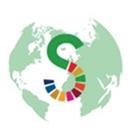
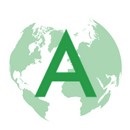
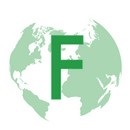
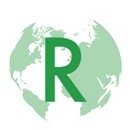
In collaboration with WHO and the relevant Ministries, Departments and Agencies (MDAs), the Ministry of Health is implementing the SAFER initiative through facilitating access to screening, conducting brief interventions, providing treatment to patients and other interventions.
The SAFER initiative
A world free from alcohol related harm
Every 10 seconds a person dies from alcohol-related causes. WHO, in collaboration with international partners, launched the SAFER initiative in 2018. "SAFER" is an acronym for the 5 most cost effective interventions to reduce alcohol related harm.
The SAFER interventions
Strengthen restrictions on alcohol availability
Advance and enforce drink driving counter measures
Facilitate access to screening, brief interventions and treatment
Health professionals have an important role in helping people to reduce or stop their drinking to reduce health risks, and health services have to provide effective interventions for those in need of help and their families.
Enforce bans or comprehensive restrictions on alcohol advertising, sponsorship, and promotion
Raise prices on alcohol through excise taxes and pricing policies
SAFER is more than a technical package of evidence-based interventions. It provides a foundation for long-term success by enabling countries to build or strengthen legitimate institutions, sustain political and public support over time, and define achievable policy aims that can be translated into implementation and enforcement. This is critical because durable progress in alcohol policy depends not only on the choice of measures, but also on the strength of the institutions that carry them, the legitimacy of the process behind them, and the ability to maintain direction over time despite competing pressures and changing political circumstances. SAFER therefore serves not only as an intervention framework, but as a foundation for sustained and credible policy development, implementation, and enforcement.
SAFER Africa inter-country learning
SAFER stories
As part of the ambitious SAFER initiative to tackle alcohol-related problems, in collaboration with WHO, 17 addiction treatment specialists held a five-day workshop to draft a manual to guide the screening and management of people affected by hazardous drinking and alcohol use disorders.
Nepal formally launched its partnership with WHO and other partners to implement SAFER, an alcohol control initiative, for the prevention and reduction of alcohol-related harm and deaths. With this, the country will now scale up action to implement high-impact and cost-effective strategies and interventions in accordance with Nepal's alcohol control priorities.
Multimedia
SAFER country snapshots
Country snapshot on alcohol and health: Sri Lanka
The SAFER country snapshots on alcohol and health provide an overview of national alcohol consumption, its health burden, the current policy response and...
Country snapshot on alcohol and health: Nepal
The SAFER country snapshots on alcohol and health provide an overview of national alcohol consumption, its health burden, the current policy response and...
Country snapshot on alcohol and health: Myanmar
The SAFER country snapshots on alcohol and health provide an overview of national alcohol consumption, its health burden, the current policy response and...
Country snapshot on alcohol and health: Namibia
The SAFER country snapshots on alcohol and health provide an overview of national alcohol consumption, its health burden, the current policy response and...
Country snapshot on alcohol and health: Ethiopia
The SAFER country snapshots on alcohol and health provide an overview of national alcohol consumption, its health burden, the current policy response and...
Country snapshot on alcohol and health: Bhutan
The SAFER country snapshots on alcohol and health provide an overview of national alcohol consumption, its health burden, the current policy response and...
Country snapshot on alcohol and health: Bangladesh
The SAFER country snapshots on alcohol and health provide an overview of national alcohol consumption, its health burden, the current policy response and...
Country snapshot on alcohol and health: Kenya
The SAFER country snapshots on alcohol and health provide an overview of national alcohol consumption, its health burden, the current policy response and...
SAFER publications
The SAFER technical package
The SAFER brochure
WHO, in collaboration with international partners, launched the SAFER initiative towards a world free from alcohol related harm in 2018. This brochure...
Background publications
Global alcohol action plan 2022-2030
The global alcohol action plan 2022-2030, endorsed by WHO Member States, aims to reduce the harmful use of alcohol through effective, evidence-based strategies...
During the Sixty-third session of the World Health Assembly, held in Geneva in May 2010, the 193 Member States of WHO reached an historical consensus on...
Tackling NCDs: best buys and other recommended interventions for the prevention and control of noncommunicable...
This document provides an updated list of “best buys” and other recommended interventions to address noncommunicable diseases (NCDs). It is...
The Global status report on alcohol and health and treatment of substance use disorders presents a comprehensive overview of alcohol consumption, alcohol-related...
Articles (external)
Prioritising action on alcohol for health and development
The IARC Perspective on the Effects of Policies on Reducing Alcohol Consumption
Health and cancer risks associated with low levels of alcohol consumption
SAFER partners
The SAFER Secretariat:
Head of Secretariat, UN Interagency Task Force on the Prevention and Control of Noncommunicable Diseases (NCDs).
Mr Dag Rekve
Senior Technical Officer, Alcohol, Drugs and Addictive Behaviours
Email: rekved@who.int