
Dao Duy Tuoc, age 85, grew up in the village of Co Bi on the eastern outskirts of Hanoi, where he has lived his entire life. In the past, he and his neighbours were farmers and their village had more fields than homes. Now, everything has changed—“One thousand times over,” he likes to say.
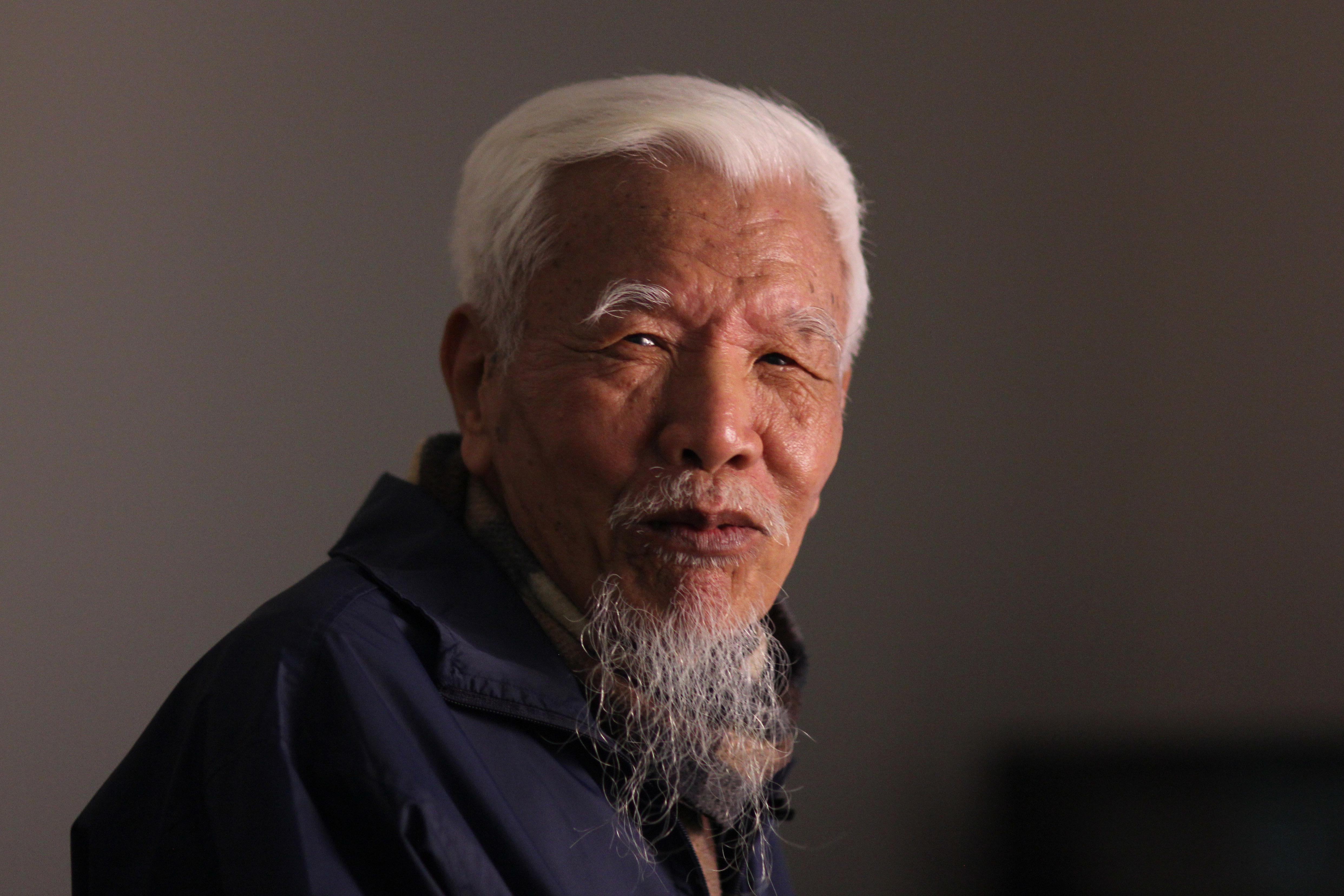
With most of the farms paved over, his neighbours now have careers in trading and in many other fields, including healthcare. Whenever he feels sick, he visits the Co Bi Commune Health Centre, a local facility less than a kilometre away from his house.
“They provide me with two types of medicine,” he notes, “one to treat hypertension and the second one to keep my heart running. The medicines keep me healthy, and my health is very good compared to other people my age.”
WHO’s brand is not visible to Tuoc, but he reaps the benefits of WHO’s efforts in Vietnam. “More people here can afford to buy medicines because the prices for essential medicines are affordable,” he points out.
“When I was a child, we did not have this facility. It was built in 1980,” he adds. “After the national reunification, we have seen a lot of positive changes in our healthcare system. The quality of care and the availability of medicines have improved dramatically, and doctors and nurses have been trained with new skills and abilities.”
“We are like family members,” he continues, “because most of the staff working at the facility are local residents. They were born here and grew up here, so we all know each other. And any time I come here—or my children and grandchildren come here—we always receive very proper and thoughtful care.”
“I tell my grandchildren about my childhood, so they can understand the traditions we hand down from generation to generation,” he notes. “But I don’t think they understand how hard it was when I was small. Very few friends of mine are still living.”
“Our society has always favoured older people,” he concludes. “It is good to be here still.”