
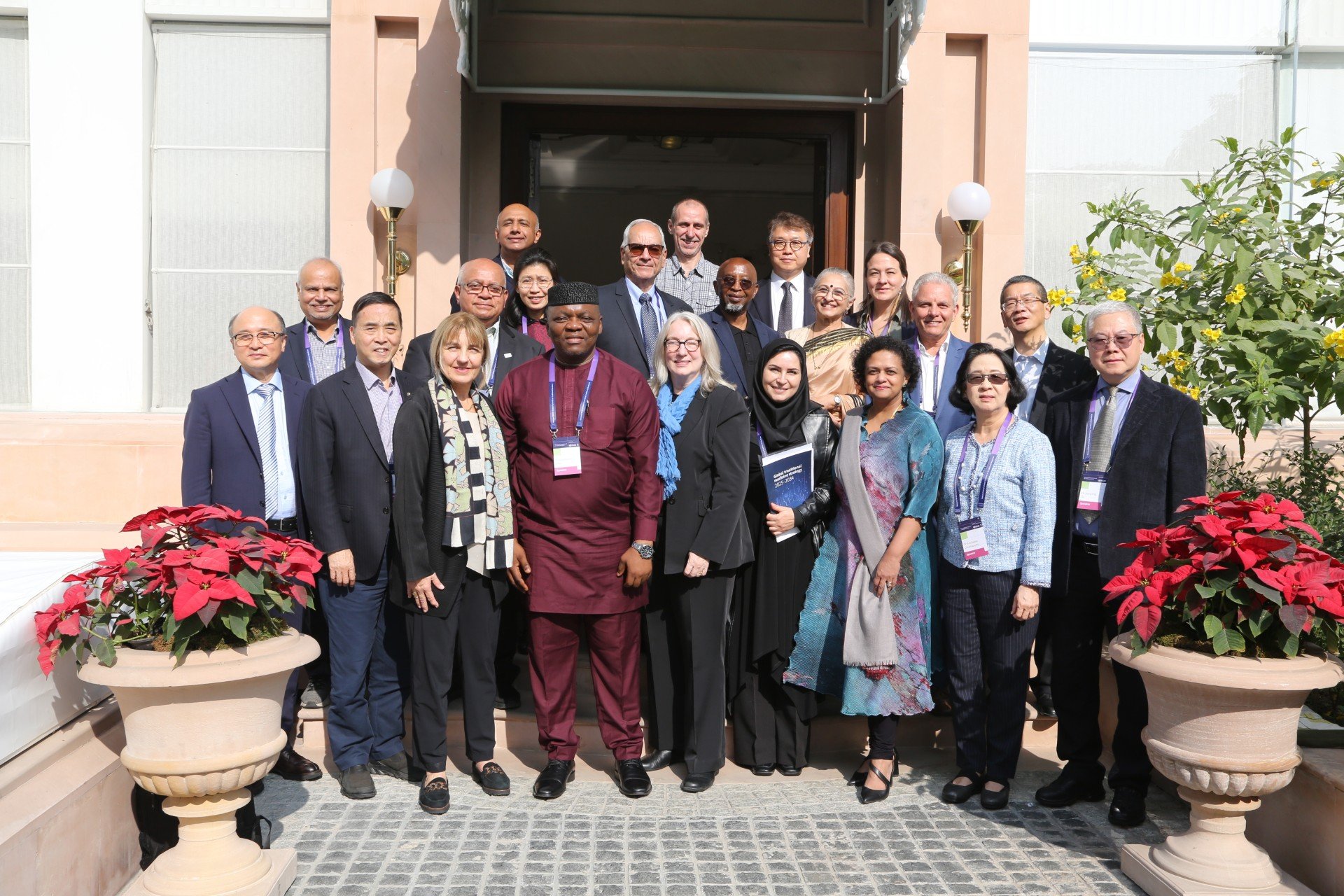
WHO has established the Strategic and Technical Advisory Group on Traditional, Complementary and Integrative Medicine (STAG-TM), reflecting WHO’s growing capacity to apply scientific rigour to traditional medicine. The establishment of the Group represents a significant step in implementing the WHO Global Traditional Medicine Strategy 2025–2034,
"This is a pivotal moment for traditional medicine. It embodies cultural heritage and national health identities, and increasingly, it constitutes a vital component of primary health care strategies," said Dr Yukiko Nakatani, WHO’s Assistant Director-General for Health System, Access and Data.
Dr Sylvie Briand, WHO Chief Scientist, said: "Its rapid growth has not always been matched by strong evidence standards, regulatory frameworks or sustainable governance. The STAG was created to close this gap. It is not an academic exercise, but a formal WHO advisory mechanism providing independent, strategic and scientific guidance to help Member States navigate an increasingly complex and evolving field."
The STAG-TM will advise WHO on strategic direction for traditional medicine at global level by providing:
- scientific advice to shape global research priorities;
- technical support to develop norms and standards;
- recommendations on approaches to integrate traditional medicine into health systems; and
- assistance to WHO in articulating policy options for Member States.
The group comprises 19 independent experts appointed through an open global selection process, ensuring multidisciplinary expertise and balanced geographic and gender representation. Members will serve two-year terms and work through annual meetings and thematic sub-groups focusing on priority areas such as evidence generation, regulation, integration, and collaboration.
At its inaugural meeting in New Delhi, on 17 December 2025, held alongside the second WHO Global Traditional Medicine Summit, the STAG-TM identified the following urgent priorities:
- methodological innovations and evidence generation;
- preservation and documentation of traditional knowledge;
- digitalization and innovation; and
- capacity building and community engagement.
The group also appointed two Co-Chairs, Dr Susan Wieland, Director of Cochrane Complementary Medicine and Professor Martins Emeje, Director of the Nigeria Natural Medicine Development Agency. The longstanding leadership of both individuals in advancing rigorous evidence for traditional medicine and research and development of natural products demonstrates scientific excellence and a deep understanding of innovation relevant to traditional medicine. The appointment of Dr Wieland and Professor Emeje also reflects the balanced, inclusive, and scientifically-grounded approach that the STAG aims to uphold.
As the next steps, WHO will develop proposed thematic areas, establish focused sub-groups, draft the STAG-TM workplan for 2026–2027, and initiate consultations to advance these priorities.