
/noncommunicable-diseases-rehabilitation-and-disability-(ncd)/office-of-the-director-ncd-(odn)/ncds-knowledge-action-portal.jpg?sfvrsn=d75056b8_4 "NCDs knowledge action portal")
Knowledge Action Portal on NCDs
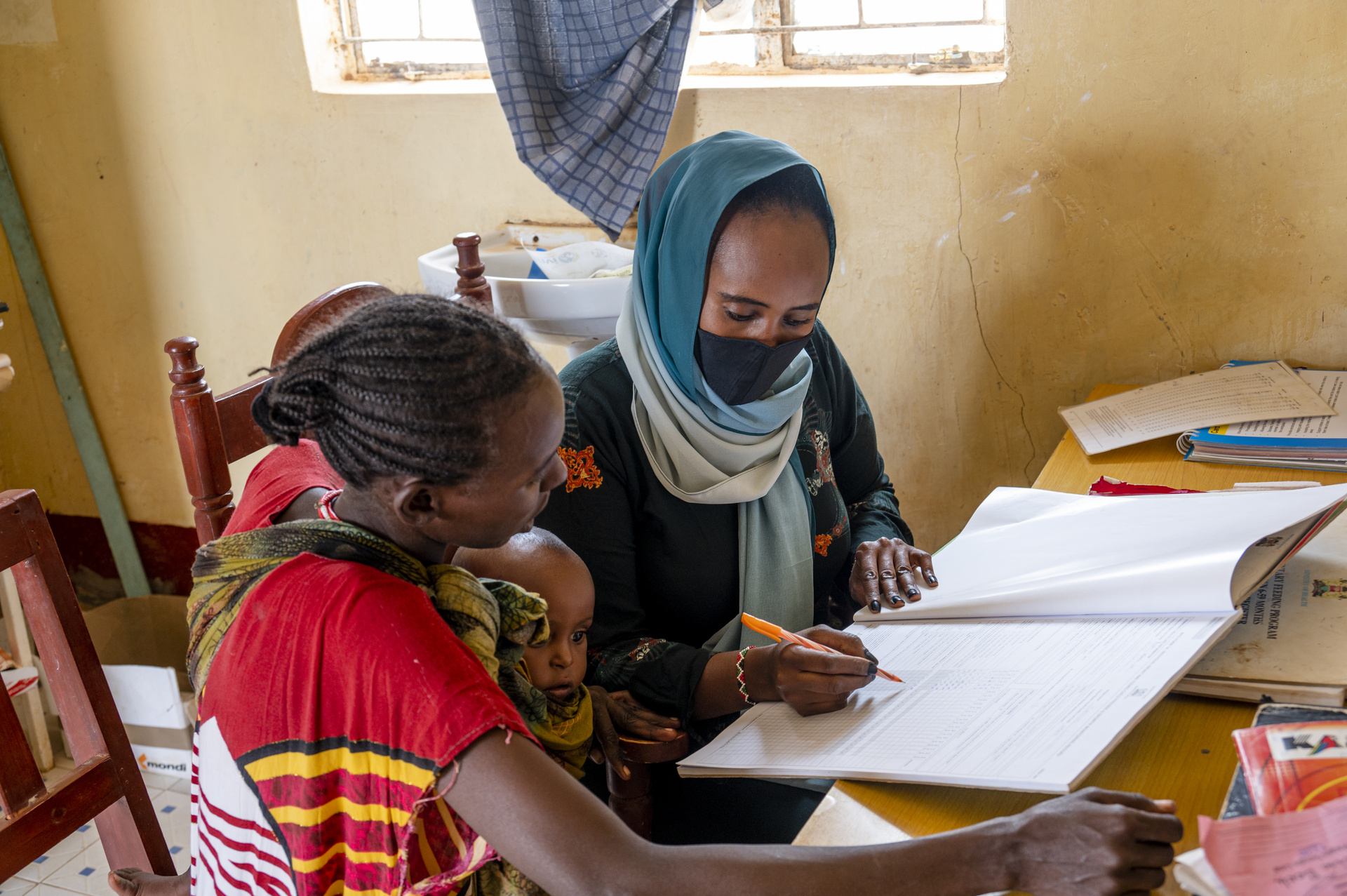
Take a look behind the scenes of the Knowledge Action Portal (KAP).

Take a look behind the scenes of the Knowledge Action Portal (KAP).
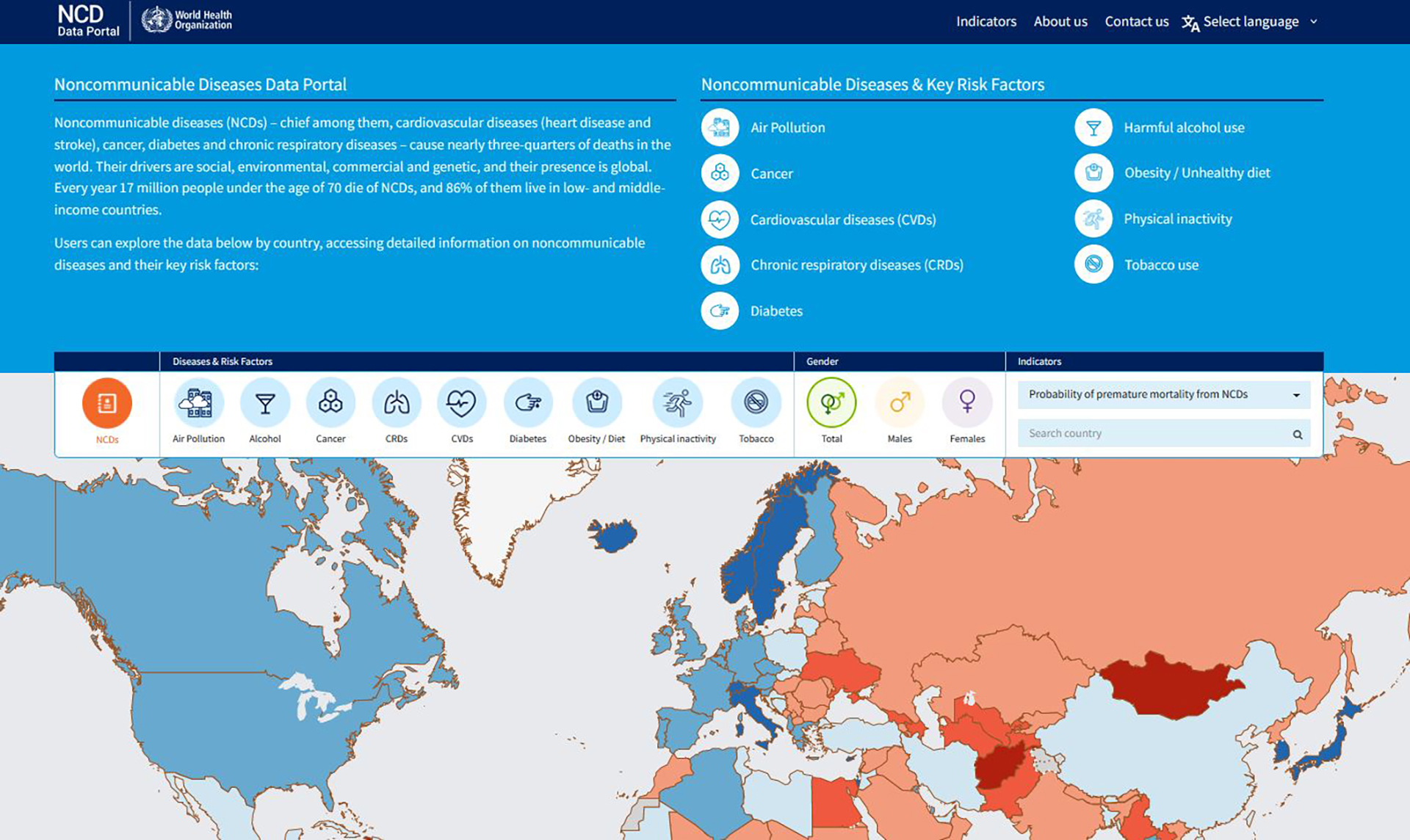
Explore the data by country
/noncommunicable-diseases-rehabilitation-and-disability-(ncd)/office-of-the-director-ncd-(odn)/on-the-road-to-2025-countdown-days.jpg?sfvrsn=7d7b21e4_79 "On the road to 2025 countdown days")
Preparatory process for the Fourth High-level Meeting of the UN General Assembly on the prevention and control of NCDs (HLM4)
/noncommunicable-diseases-rehabilitation-and-disability-(ncd)/office-of-the-director-ncd-(odn)/un-general-assembly-meeting-room.jpg?sfvrsn=b07fcc1d_7 "UN General Assembly meeting room")
for the Global action plan for the prevention and control of NCDs 2013–2030
Related health topics
Noncommunicable diseases
Hypertension, also known as high or raised blood pressure, is a condition in which the blood vessels have persistently raised pressure. Blood is carried from the heart to all parts of the body in the vessels. Each time the heart beats, it pumps blood into the vessels. Blood pressure is created by the force of blood pushing against the walls of blood vessels (arteries) as it is pumped by the heart. The higher the pressure, the harder the heart has to pump.
Hypertension is a serious medical condition and can increase the risk of heart, brain, kidney and other diseases. It is a silent killer and a major cause of premature death worldwide, with an estimated 1.4 billion people having the condition. The burden of hypertension is felt disproportionately in low- and middle-income countries, where two thirds of cases are found, largely due to increased risk factors in those populations in recent decades.
Technical links
Sensory functions, disability and rehabilitation
Risk factors
Other related health topics
This compendium provides a standardized reference for essential clinical, operational and monitoring terminology used in hypertension-control programmes....
The second Global report on hypertension highlights the urgent need to scale up detection, treatment, and control of hypertension, especially at the...
The Framework for the care of acute coronary syndrome and stroke aims to guide countries in strengthening the care of acute coronary syndrome (ACS) and...
Hypertension (HTN) is a major global public health problem. Cardiovascular diseases (CVDs) are the leading cause of death worldwide. Hypertension, which...
Hypertension (HTN) is a major global public health problem. Cardiovascular diseases (CVDs) are the leading cause of death worldwide. Hypertension, which...
This report compiles data for the first time on the far-reaching consequences of uncontrolled hypertension, including heart attacks, strokes and premature...
More people die each year from cardiovascular diseases than from any other cause. Over three quarters of heart disease and stroke-related deaths occur...
Related content:Guideline for the pharmacological treatment of hypertension in adultsWeb annex B: evidence-to-decision frameworks
Feature stories
Fact sheets
Articles
Engagement with the private sector
Noncommunicable diseases and COVID-19