Certifying eradication of dracunculiasis
In 1995, WHO established an independent International Commission for the Certification of Dracunculiasis Eradication, or ICCDE. The Commission meets as and when necessary at WHO headquarters in Geneva to evaluate the status of countries applying for certification of dracunculiasis eradication and to recommend whether a particular country should be certified as free of transmission.
A country endemic for dracunculiasis reporting zero indigenous cases over a complete calendar year is deemed to have prevented transmission of guinea-worm disease and is classified as being in the precertification phase.
To be declared free of dracunculiasis, a country that has stopped transmission of the disease must have reported zero indigenous cases through active surveillance for at least 3 consecutive calendar years.
A national report should document all actions taken from the beginning of the programme, including the 3-year period, to interrupt transmission and confirm zero occurrences of guinea-worm disease cases.
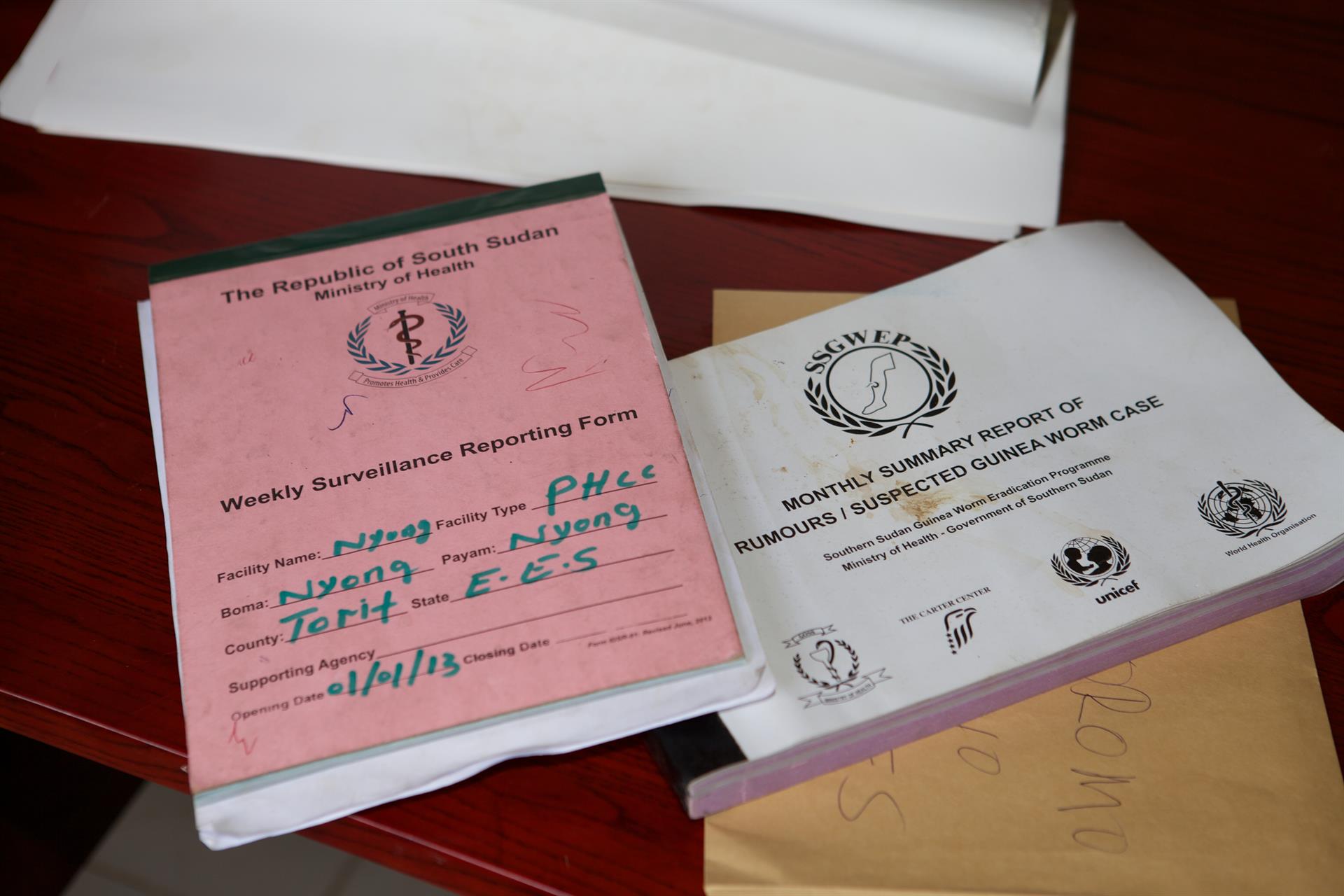
After this period, an International Certification Team (ICT) visits the country to verify the information contained in the national report. During its visit, the ICT assesses the adequacy of the surveillance system and reviews records of any investigations for rumoured cases and subsequent actions taken.
Since its establishment in 1995 until February 2018, the ICCDE has met 12 times. It has certified 199 countries, territories and areas (belonging to 187 Member States) as free of dracunculiasis transmission.
The latest country to attain this status in February 2017 was Kenya, a formerly endemic country.
To declare global eradication of dracunculiasis, WHO must formally certify every individual country even if no transmission has ever been recorded in that particular country.
To declare global eradication of dracunculiasis, WHO must formally certify every individual country even if no transmission has ever been recorded in that particular country.