Eliminating visceral leishmaniasis as a public health problem in the South‐East Asia Region

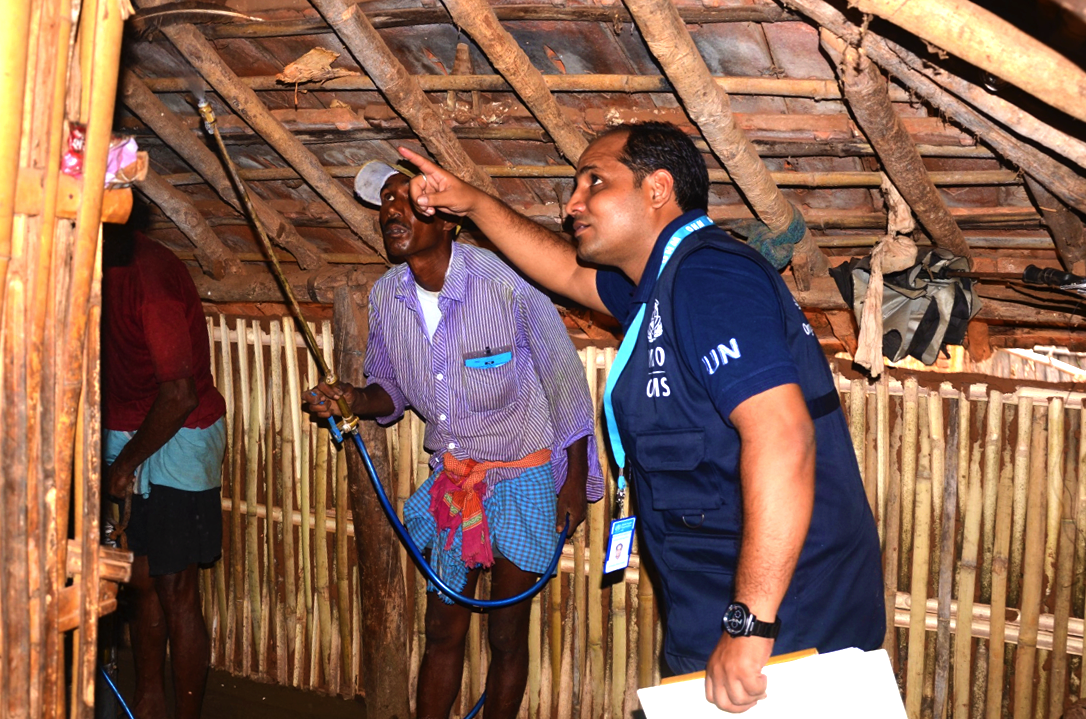
VL, or kala-azar, is targeted for elimination as a public health problem (defined as an annual incidence of less than one case per 10 000 population at the district level in Nepal and at subdistrict level in Bangladesh and India) in the WHO South‐East Asia Region. In 2005, three endemic countries in the Indian subcontinent (Bangladesh, India and Nepal) signed a memorandum of understanding to eliminate kala-azar from the region. In 2014, this agreement was extended to include two more countries (Bhutan and Thailand).

 

> 2 million

patients treated for cutaneous leishmaniasis (2009-2018)

> 300 000

lives saved from visceral leishmaniasis (2009-2018)

> 15 000

people trained in case management

Publications

All →
Leishmaniasis: 20 years of progress towards elimination in the WHO African Region
Following the successful visceral leishmaniasis elimination programme in Southeast Asia, East Africa has emerged as a hotspot for transmission. In that...
Global leishmaniasis surveillance updates 2024: consolidating gains and new initiatives

Leishmaniasis remains a major health problem in 4 eco-epidemiological areas of the world: the Americas, East Africa, North Africa and West and South-East...

Skin health for all: update on skin neglected tropical diseases with a focus on Buruli ulcer and yaws

Skin diseases in general are the third most prevalent cause of illness, with almost 5 billion incident cases of skin and subcutaneous diseases, and...

Contact

Dr. José Ruiz Postigo
Medical officer
Dr. Saurabh Jain
Scientist