WHO / Stanley Makumba
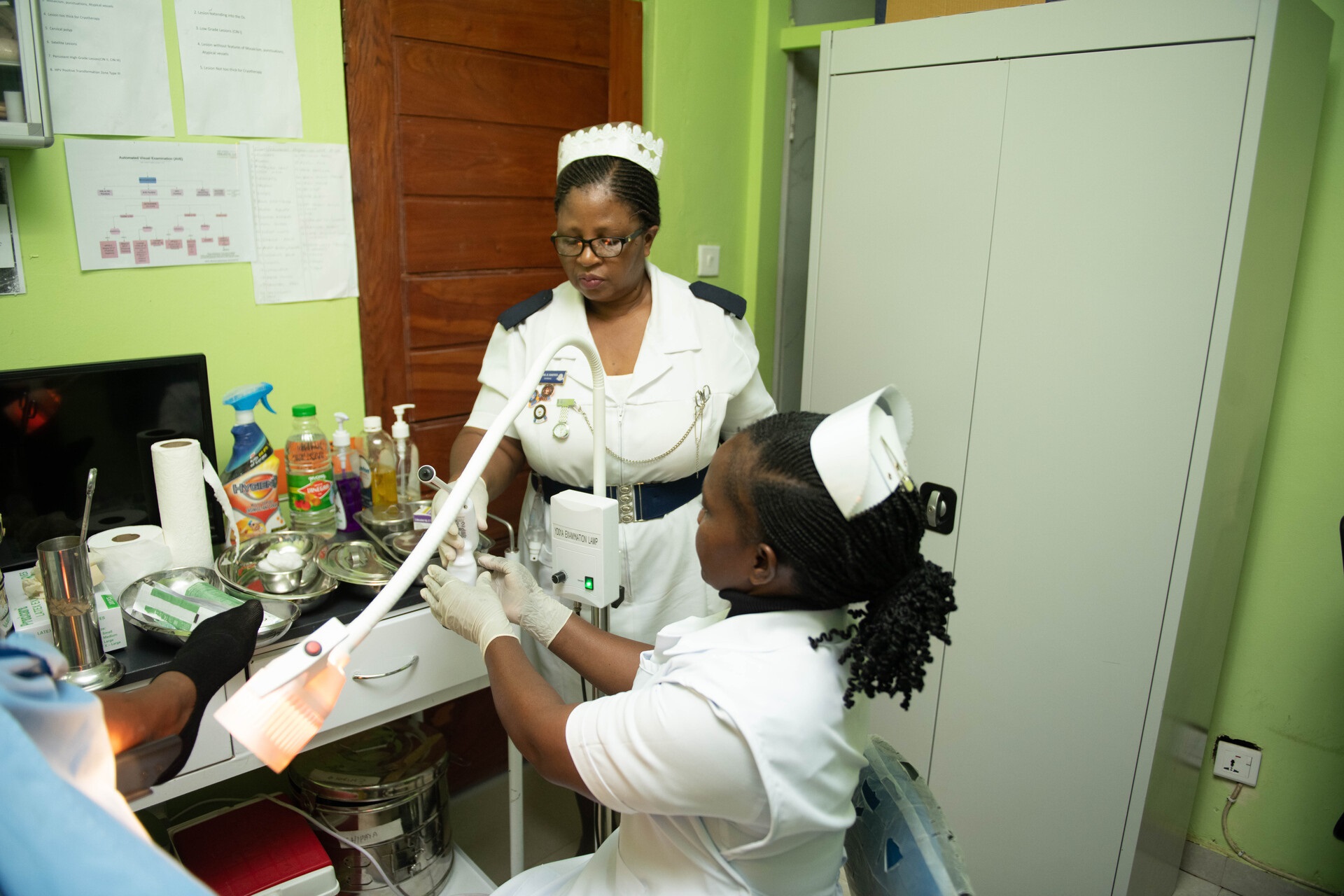
Nurses prepare and screen for cervical cancer in Zambia.
© Credits

Screening for cervical cancer

All adult women should undergo periodic cervical cancer screening. Screening aims to detect precancerous lesions, that is, abnormalities in the cells of the cervix, which, if left untreated, can develop into cervical cancer. When found, precancerous lesions must be treated.

Screening and treatment of precancerous lesions, also referred to as “secondary prevention” is the second pillar of the recommended WHO’s comprehensive approach to cervical cancer. There are a number of recommended screening and treatment options.

The Global strategy to accelerate the elimination of cervical cancer as a public health problem recommends that 70% of women are screened with high-performance tests by ages 35 and 45 years.

HPV vaccination (primary prevention) and cervical cancer screening, with treatment of precancerous lesions must be scaled up together in low- and middle-income countries.

Screening might also result in cervical cancer diagnosis. Detection of cancer and treatment must be done together (tertiary prevention), as cervical cancer can be treated effectively, particularly if detected early. 

Sexual and reproductive health and rights

 

Featured news

Other regional news and stories

A group of people posing for a photo in front of a building.

Elimination of Cervical Cancer in Haiti: 10 Departments Now Equipped with Materials for Thermoablation of Precancerous Lesions

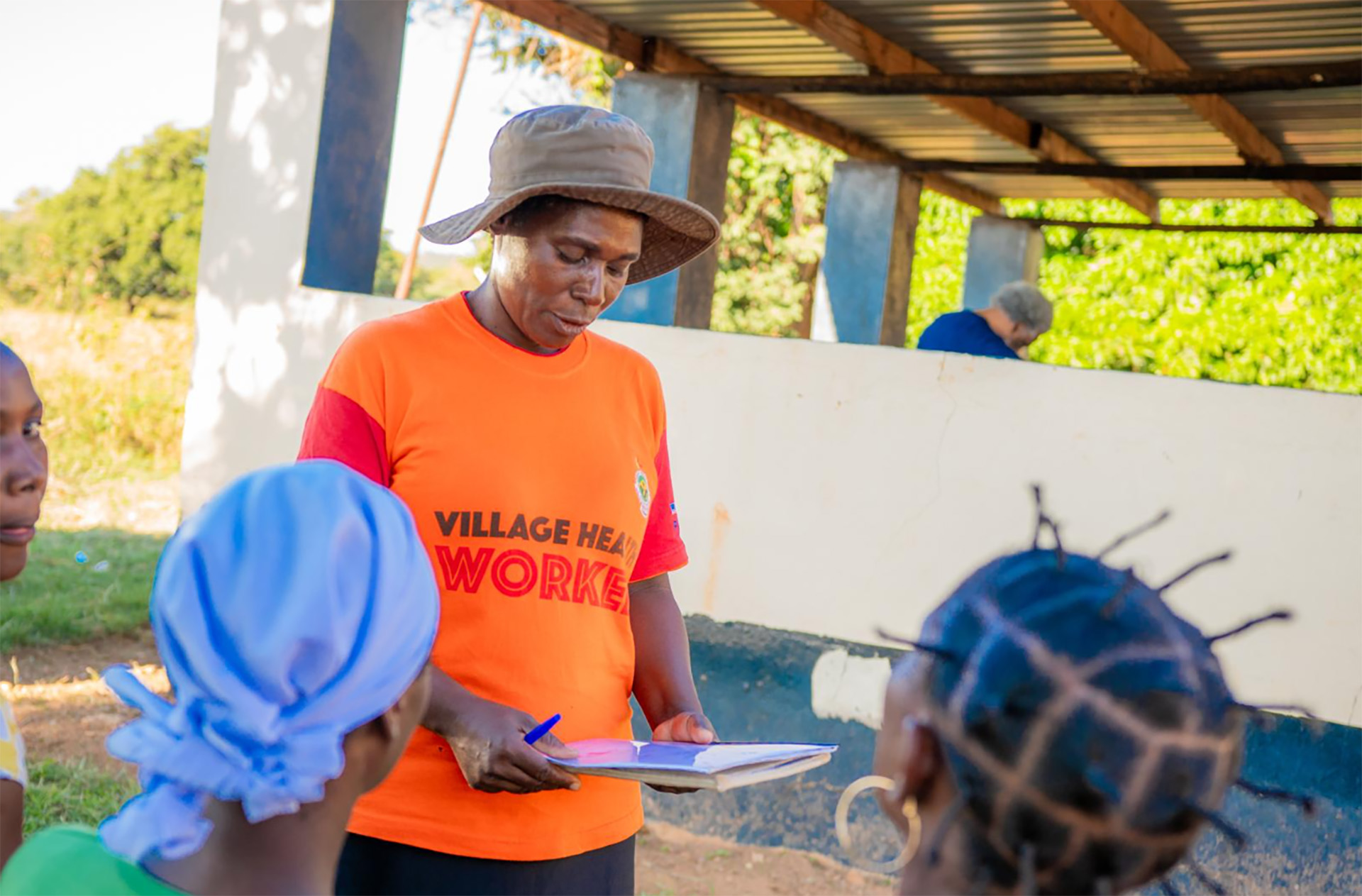
A village health worker holding a book and talking to three women.

Ramping up cervical cancer screening in Zimbabwe

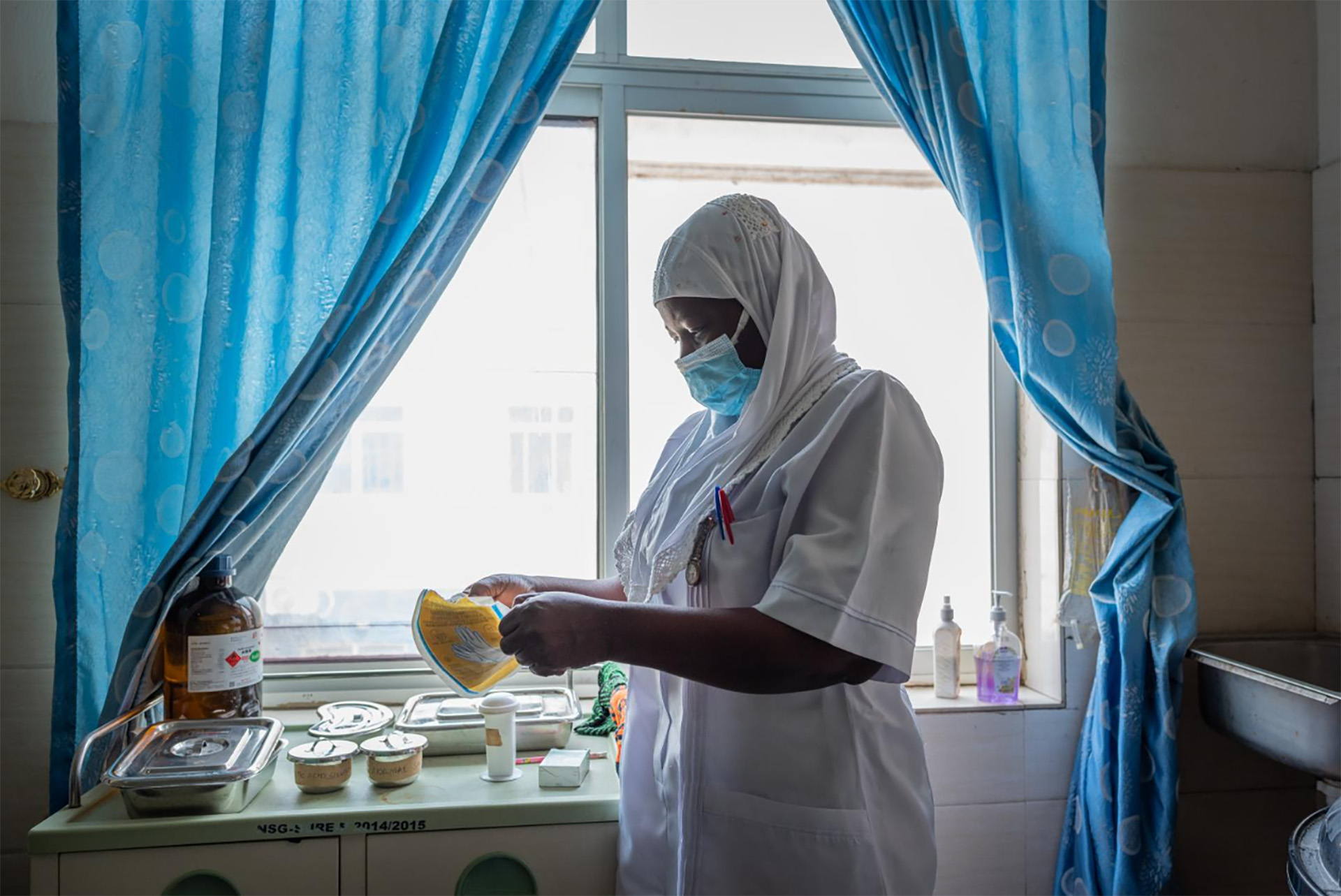
A health care worker in a clinic wearing a mask opening a packet of disposable gloves,

Zambia steps up cervical cancer screening with HPV testing

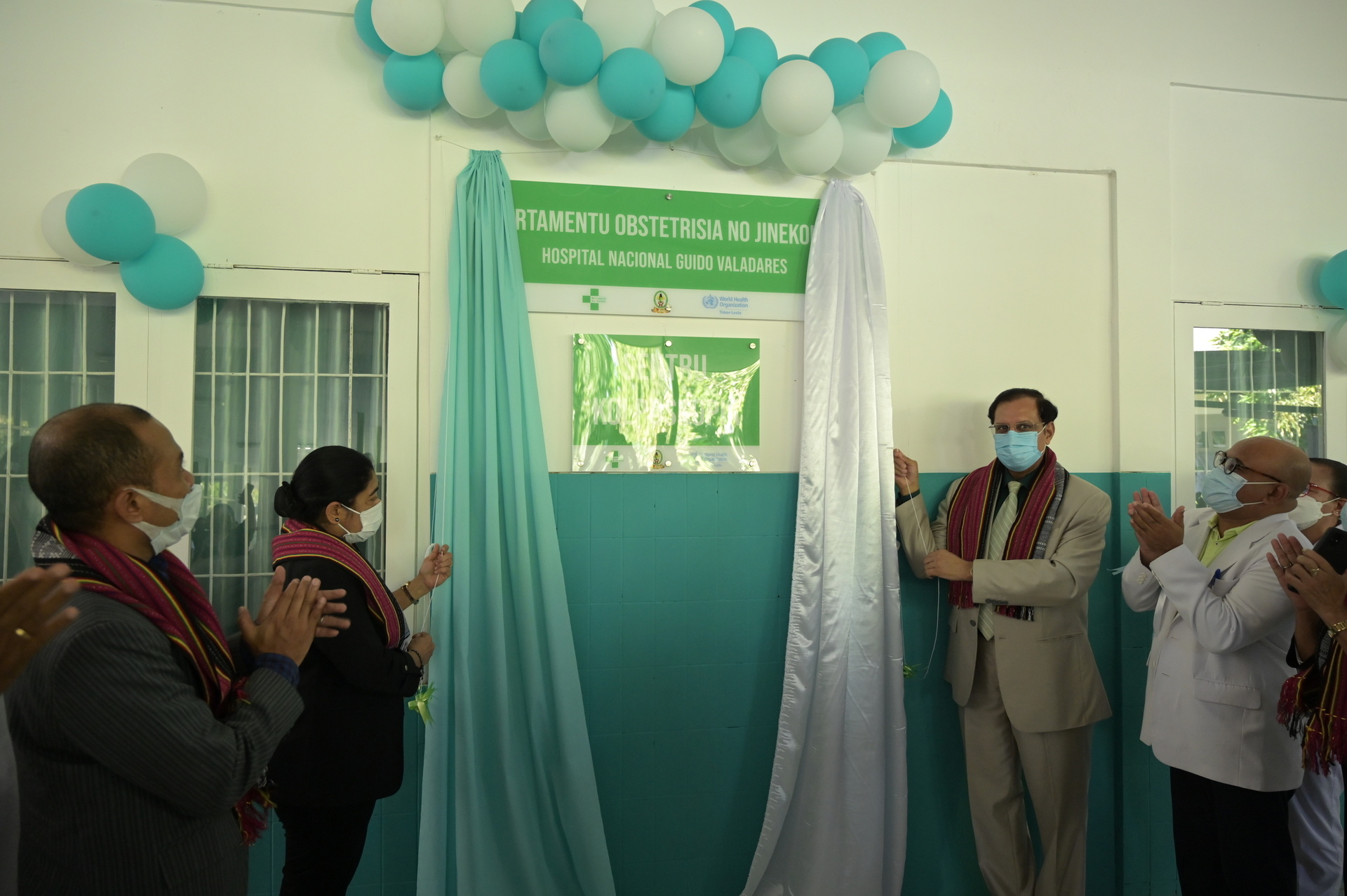
Five people wearing masks, two of them are opening one blue and one white curtain

Improving women’s health through a cervical cancer screening facility

Two women talking and walking alongside a lake.

HPV self-sampling in Sweden leading to faster elimination of cervical cancer

A health worker wearing a white mask.

Moving beyond the hospital to raise awareness, diagnose and treat cervical cancer in Paraguay

Featured event

Our work

Featured publications

Human papillomavirus (‎HPV)‎ nucleic acid amplification tests (‎NAATs)‎ to screen for cervical pre-cancer lesions and prevent cervical cancer

This policy brief focuses on the use of and the differences between HPV DNA-based and HPV mRNA-based molecular nucleic acid amplification tests...

Publication cover

This guidance is intended to be used by programme managers following the decision to introduce human papillomavirus (HPV) virological testing as a screening...

WHO technical guidance and specifications of medical devices for screening and treatment of precancerous lesions in the prevention of cervical cancer

As part of WHO’s approach to cervical cancer control, availability of high quality, affordable medical devices for HPV screening, and treatment of...

WHO guidelines for the use of thermal ablation for cervical pre-cancer lesions

Thermal ablation, also called “cold coagulation” or thermocoagulation, is an ablative treatment for CIN. The equipment is simple, lightweight...

Multimedia

Infographics

Related health topics

Fact sheet

Resources and related links