WHO Headquarters Leadership Team

WHO Headquarters Leadership Team


Deputy Director-General

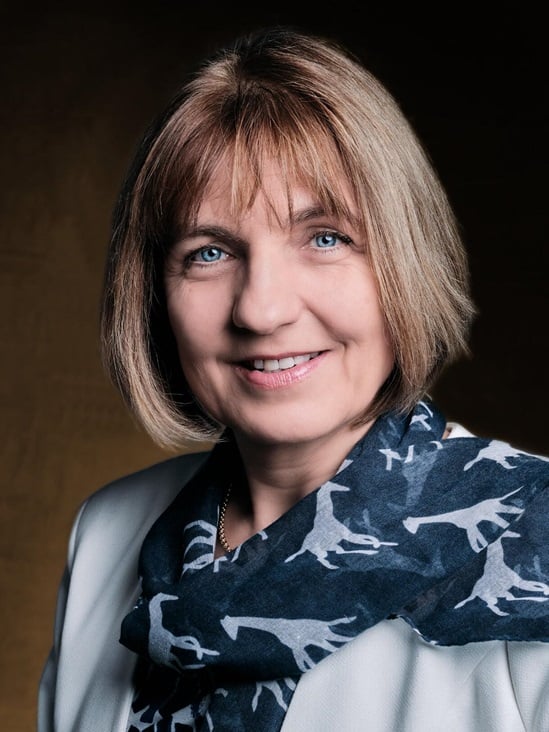
Dr Zsuzsanna Jakab, Deputy Director-General

Dr Zsuzsanna Jakab
WHO
Dr Zsuzsanna Jakab, Deputy Director-General
© Credits

A native of Hungary, Dr Jakab was appointed as Deputy Director-General in 2019 after serving as WHO Regional Director for Europe since 2010. She has held a number of high-profile national and international public health policy positions in the last three decades, including as the founding Director of the European Centre for Disease Prevention and Control in Stockholm, Sweden.

Between 2005 and 2010, she built the centre into an internationally respected centre of excellence in the fight against infectious diseases.

Delegation of authority from WHO Director-General


Chef de Cabinet

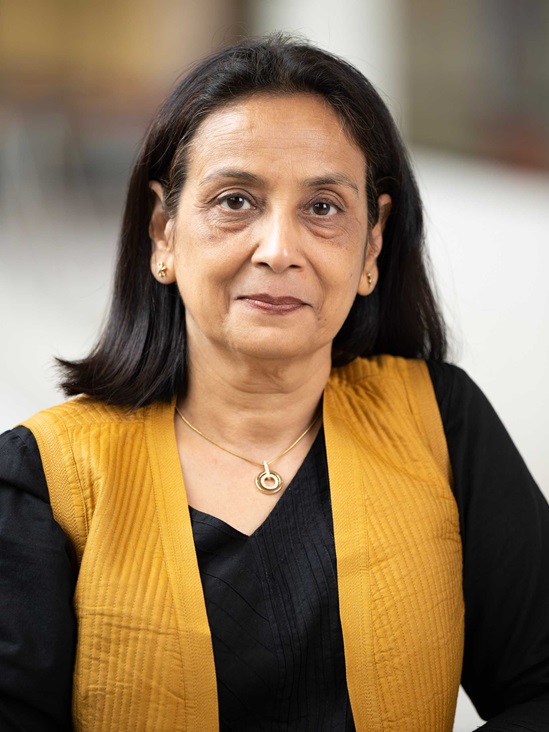
Dr Catharina Boehme, Chef de Cabinet

Dr Catharina Boehme

Dr Catharina Boehme
© Credits

Dr Catharina Boehme assumed the role of Chef de Cabinet at WHO in March 2021. She was the Chief Executive Officer of FIND, the international alliance for diagnostics, for eight years.  Under her leadership, the organization improved access to diagnosis for more than 100 million people in low- and middle-income countries and tackled major emerging challenges such as AMR, infectious disease outbreaks and noncommunicable diseases. As co-convener of the Access to COVID-19 Tools Accelerator, she has been widely featured in the press, driving equitable access to testing.

Dr Boehme is a trained medical doctor with diplomas in public health and management (IMD) and received her academic training in Germany, France and the United States of America. Early in her career, she worked in Ghana and Tanzania, focusing on clinical research to eliminate tuberculosis. She has served in several WHO and global advisory bodies, participated in two Lancet Commissions and published several hundred peer-reviewed publications.

Delegation of authority from WHO Director-General 

Compact


Executive Directors

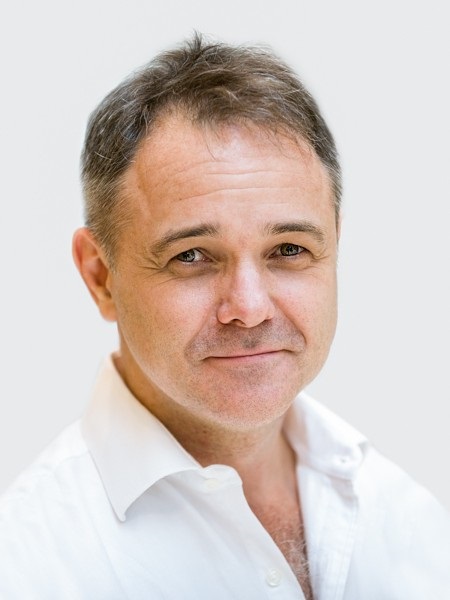
Dr Michael Ryan, Executive Director, WHO Health Emergencies Programme
Dr Michael Ryan

Dr Mike Ryan
© Credits

Dr Mike Ryan has been at the forefront of managing acute risks to global health for nearly 25 years. He served as Assistant Director-General for Emergency Preparedness and Response in WHO's Health Emergencies Programme from 2017 to 2019.

Dr Ryan first joined WHO in 1996, with the newly established unit to respond to emerging and epidemic disease threats. He has worked in conflict affected countries and led many responses to high impact epidemics. He is a founding member of the Global Outbreak Alert and Response Network (GOARN), which has aided the response to hundreds of disease outbreaks around the world. He served as Coordinator of Epidemic Response (2000-2003), Operational Coordinator of WHO’s response to the SARS outbreak (2003), and as WHO’s Director of Global Alert and Response (2005-2011),

He was a Senior Advisor on Polio Eradication for the Global Polio Eradication Initiative from 2013 to 2017, deploying to countries in the Middle East.

He completed medical training at the National University of Ireland, Galway, a Master’s in Public Health at University College Dublin, and specialist training in communicable disease control at the Health Protection Agency in London and the European Programme for Intervention Epidemiology Training.

Delegation of authority from WHO Director-General


Assistant Directors-General

Dr Samira Asma, Assistant Director-General, for Data, Analytics and Delivery

Samira Asma
WHO
Dr Samira Asma
© Credits

Dr Samira Asma, from the United States of America, is the Assistant Director-General for Data, Analytics and Delivery for Impact where she leads the organization’s efforts to establish the results framework for accountability and using timely, reliable and actionable data to drive progress towards the Triple Billion targets and health-related Sustainable Development Goals (SDGs). Dr Asma brings more than 25 years of experience in building country capacity and meaningful partnerships that lead public health programmes and policies to catalyze substantial and measurable long-term impact.

Dr Asma re-joined WHO in 2018 as the Director for Health Metrics and Measurement and led an organization-wide and multi-partner engagement to develop the 13th General Programme of Work (GPW 13), the WHO results framework and the SDG Global Action Plan with UN partners.

The COVID-19 pandemic has underscored the urgency to strengthen country heath information systems. By aligning with countries and partners, Dr Asma is working to ensure every country has a robust data and health information system, to make health data accessible, and to use data to improve health. These efforts are essential to realizing Dr Tedros’ vision of transforming WHO into a modern, data-driven organization.

Prior to joining WHO, Dr Asma served in leadership positions at the U.S. Centers for Disease Control and Prevention for over two decades. By building successful collaborations, she established global programmes on tobacco control, noncommunicable diseases, environmental health, and injuries.   Dr Asma is recognized for leading the establishment of a reliable, sustained surveillance system for tobacco control in 180 countries, using innovative technologies to monitor health, generating epidemiologic and economic evidence for policy interventions, and launching a global initiative to reduce heart attacks and strokes – all through global networks and partnerships. Dr Asma has contributed to more than 100 publications, books and policy papers on global health and public health surveillance and is internationally recognized as a scientific and policy expert on preventing leading risk factors that cause premature deaths and making a measurable impact in countries.

Compact


Professor Hanan H. Balkhy, Assistant Director-General, Antimicrobial resistance

Hanan BALKHY

Professor Balkhy graduated from King Abdulaziz University in Jeddah, Kingdom of Saudi Arabia in 1991. She completed her paediatric residency training at Massachusetts General Hospital in Boston USA 1993-1996; followed by a paediatric infectious diseases fellowship from 1996-1999 from the Cleveland Clinic Foundation and Case Western Reserve University, Cleveland, Ohio, USA. 

Prior to her appointment with WHO, she was the Executive Director, Infection Prevention and Control (IPC) at the Ministry of National Guard for 10 years and prior to that, the hospital epidemiologist for 10 years. She also led the establishment of the infectious diseases research department at King Abdulla International Research Centre at King Saud bin Abdulaziz University for Health Sciences in Riyadh, Saudi Arabia. Professor Balkhy runs the WHO Collaborating Centre for IPC and anti-microbial resistance (AMR) and the Gulf Cooperation Council center for infection control. She is the Editor-in-Chief of the Journal of Infection and Public Health and has over 200 publications in peer-reviewed journals. 

Professor Balkhy is a member of the WHO Global unit for IPC,and  in addition has served on many WHO committees including: the Advisory Group on Integrated Surveillance and Antimicrobial Resistance (AGISAR), the Strategic and Technical Advisory Group on Antimicrobial Resistance (STAG-AMR), the International Health Regulations review committee (IHR-RC) and the most recent Interagency Coordination Group committee for AMR. 

With her broad spectrum of responsibilities, she has been able to develop the expertise in managing and leading both her teams of infection preventionists on one hand and research teams in the fields of AMR and MERS-CoV on the other. She has received two research awards from her institution acknowledging her leading role in her field. Most recently she has been given the European Society of Clinical Microbiology and Infectious Diseases (ESCMID) Fellows honorary title. 

Delegation of authority from WHO Director-General


Dr Jaouad Mahjour, Assistant Director-General, Emergency Preparedness and International Health Regulations

Dr Jaouad Mahjour

Dr Jaouad Mahjour most recently served as the Director of WHO's Country Health Emergency Preparedness & International Health Regulations Department.  A national from Morocco, he holds a Doctorate of Medicine from the Faculty of Medicine and Pharmacy in Rabat, Morocco, and a Master degree in Public Health.  

Dr Mahjour is a public health specialist with over 30 years of experience in designing, implementing and evaluating diseases control programmes at national and international levels.  

He joined WHO as the Country Representative to Lebanon in 2005.  In 2007, he took up the position of Director, Communicable Diseases Control in the Eastern Mediterranean Regional Office.  In 2014, he became Director of Programme Management, and was Acting Regional Director for the Eastern Mediterranean Region from October 2017 to May 2018.  Over the last 10 years, Dr Mahjour has been leading the implementation of the International Health Regulations 2005, and overall health security and outbreak prevention and control programmes in the WHO Eastern Mediterranean Region Office.  

Before joining WHO, Dr Mahjour was the Director of Epidemiology and Diseases Control in the Ministry of Health of Morocco.

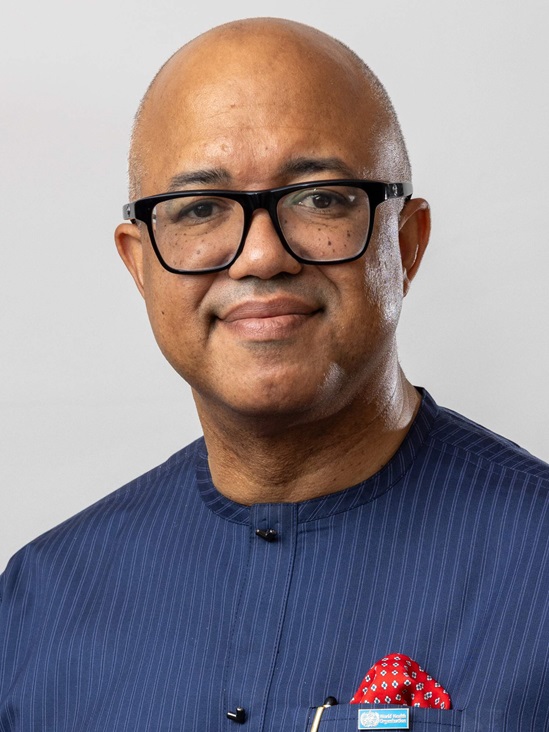
Dr Chikwe Ihekweazu, Assistant Director General for the Division of Health Emergency Intelligence and Surveillance Systems in the Emergencies Programme 

Dr Chikwe Ihekweazu

Dr Chikwe Ihekweazu
© Credits

Dr Chikwe Ihekweazu is an Assistant Director General for the Division of Health Emergency Intelligence and Surveillance Systems in the Emergencies Programme of the World Health Organization (WHO), leading the WHO Hub for Pandemic and Epidemic Intelligence.

Prior to this, Dr Ihekweazu was the first Director General of the Nigeria Centre for Disease Control (NCDC) and led the agency between 2016 and 2021. He led the transformation of the agency to one of the leading national public health agencies in the world, working closely with the Africa Centre for Disease Control. He acted as Interim Director of the West Africa Regional Centre for Surveillance and Disease Control from January to December 2017.

Dr Ihekweazu trained as an infectious disease epidemiologist and has over 25 years’ experience working in senior public health and leadership positions in several National Public Health Institutes, including NCDC, South African National Institute for Communicable Diseases (NICD), the United Kingdom’s Health Protection Agency, and Germany’s Robert Koch Institute (RKI). Dr Ihekweazu has led several short-term engagements for WHO, mainly in response to major infectious disease outbreaks around the world. He was part of the first WHO COVID-19 international mission on COVID19 to China, in February 2020, and member of the Presidential Task Force for the COVID in Nigeria.

Dr Ihekweazu is a graduate of the College of Medicine, University of Nigeria and has a Masters in Public Health (MPH) from the Heinrich-Heine University, Dusseldorf, Germany. In 2003, he was awarded a Fellowship for the European Programme for Intervention Epidemiology Training (EPIET) and subsequently completed his Public Health specialization United Kingdom's Faculty for Public Health. He is widely published in medical peer review journals mostly on infectious disease outbreaks, surveillance and response systems. 

Delegation of authority from WHO Director-General


Mr Stewart Simonson, Assistant Director-General, WHO’s office at the United Nations in New York

Mr Stewart Simonson
WHO
Mr Stewart Simonson, Assistant Director-General, WHO’s office at the United Nations in New York
© Credits

Mr Stewart Simonson, from United States of America, was most recently Assistant Director-General for General Management. He brings more than 20 years of experience in corporate governance, risk management and administration that spans across the government, nongovernmental and private sectors. His past roles include serving as Senior Vice President and General Counsel to the Futures Group Global LLC, and most recently, as Legal Advisor for the Crudem Foundation, where he functioned as legal counsel to the foundation and technical advisor to its partner hospital in Haiti.

From 2001 to 2006, he served in the United States Department of Health and Human Services in different capacities, including as Assistant Secretary for Public Health Emergency Preparedness. In this role, he served as the Secretary’s principal advisor on matters related to bioterrorism and other public health emergencies and coordinated the development of the United States government’s position on the revision of the International Health Regulations. He has degrees in law and political science.

Delegation of authority from WHO Director-General


Mr Raul Thomas, Assistant Director-General, Business Operations & Interim Head, WHO Academy

Raul Thomas

A native of Trinidad and Tobago, Mr Thomas holds a Master’s degree in Organizational Management and a Bachelor’s degree in Business Administration.

Employed for 20 years with the World Health Organization, Mr. Thomas has served in the regions of the Americas, Western Pacific, Eastern Mediterranean and Africa, as well as with the International Agency for Research on Cancer (IARC). Areas of Mr Thomas' expertise are budget, finance, administration, audit, risk management, accountability and compliance, and general management. His experience with WHO has also included managing administrative and security responses to environmental disasters, emergencies and high risk areas of civil unrest and conflict.

Mr Thomas began work with WHO in the Regional Office for the Americas, serving in budget and finance capacities in Washington D.C. for four years and representing that office as Administrative Officer in the PAHO/WHO U.S.-Mexico Border Office in El Paso, Texas, for two years. From 2001 to 2006, he held the position of Budget and Finance Officer at IARC in Lyon, France, and then at the Regional Office for the Western Pacific in Manila, Philippines.

Mr Thomas served as Director of Administration in Manila and then in the Regional Office for Eastern Mediterranean in Cairo, Egypt, from 2006 to 2013. He joined the Regional Office for Africa in Brazzaville, Congo, in December 2013 as Director, General Management.

Prior to his employment with WHO, Mr. Thomas worked for two years for the United Nations Development Programme in New York City.

Delegation of authority from WHO Director-General - ADG Business Operations

Delegation of authority from WHO Director-General - WHO Academy

Compact


Dr Peter Singer, Special Advisor to the Director-General

WHO HQ Singer
Before joining WHO as Special Advisor to the Director General, Dr. Peter Singer from Canada co-founded two innovative, results driven, social impact organizations.  From 2008-2018 Singer was Chief Executive Officer of Grand Challenges Canada.  From 1996-2006 he was Sun Life Financial Chair and Director of the University of Toronto Joint Centre for Bioethics.  He was also Professor of Medicine at University of Toronto and Senior Scientist at University Health Network.

In 2007, Dr. Singer received the Michael Smith Prize as Canada's Health Researcher of the Year in Population Health and Health Services. In 2011, Singer was appointed Officer of the Order of Canada for his contributions to health research and bioethics, and for his dedication to improving the health of people in developing countries. He is a Fellow of the Royal Society of Canada, the Canadian Academy of Health Sciences (where he was also Foreign Secretary), the U.S. National Academy of Medicine, and The Academy of Sciences for the Developing World (TWAS). 

As a researcher, Dr. Singer published over 300 articles, received over $50 million in research grants, and mentored hundreds of students. He studied internal medicine at University of Toronto, medical ethics at University of Chicago, public health at Yale University, and management at Harvard Business School. He served his community as Board Chair of Branksome Hall, an internationally minded school for girls.


Dr Bruce Aylward, Senior Advisor to the Director-General, Organizational Change

Dr Bruce Aylward
WHO
Dr Bruce Aylward
© Credits

Dr Aylward is the Senior Advisor on Organizational Change to the Director-General.  In this capacity he has led the design and implementation of WHO's Transformation Agenda since September 2017. 

In February 2020 Dr Aylward was requested by the Director-General to lead the WHO-China Joint Mission on Coronavirus Disease 2019 (COVID-19).

From August 2016 through August 2017, Dr Aylward worked with the United Nations Office for the Coordination of Humanitarian Affairs (OCHA), initially leading the inter-agency process that resulted in the first-ever system-wide activation procedures for major infectious disease emergencies, then establishing and leading OCHA’s Change Management Unit. In that role he took forward a wide-ranging functional review of OCHA to optimize its role, functions, structure and processes for the challenges of the 21st century. 

From December 2015 through July 2016, Dr Aylward led the design and implementation of far-reaching reforms of WHO's work in emergencies, culminating in the launch of a new WHO Health Emergencies Programme.  During this period he also led WHO’s response to a wide range of humanitarian and infectious disease emergencies, including the global response to Zika virus. 

From September 2014 through July 2016 Dr Aylward served as Special Representative of the Director-General for the Ebola Response, directing WHO's 2000+ person response to the West Africa outbreak and providing strategic and technical leadership to the United Nations Emergency Ebola Response (UNMEER). Between the early 1990s and 2014, Dr Aylward served WHO in a variety of leadership positions in the areas of emergencies, disease eradication and vaccines and immunization.