
Emergencies
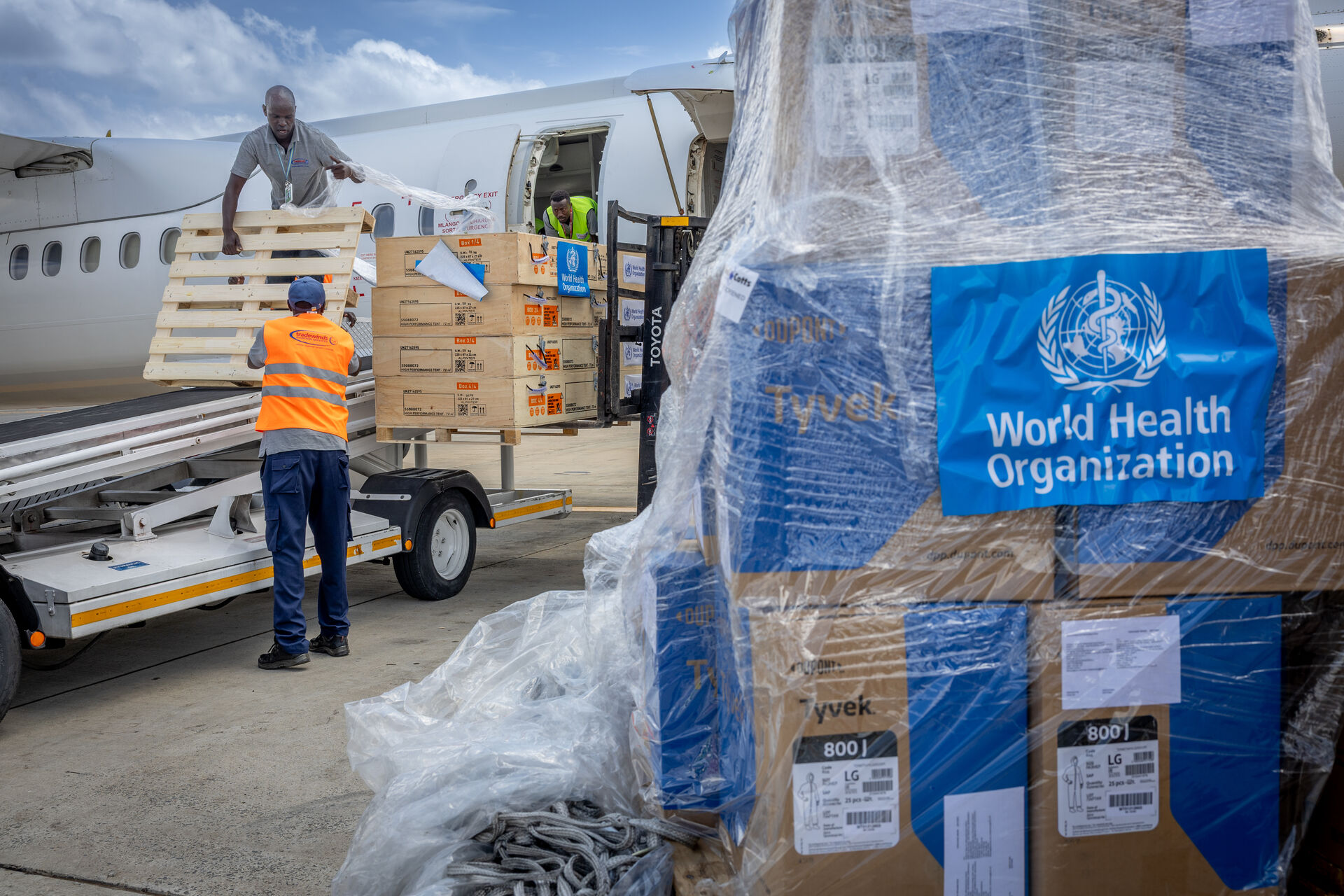
Guided by science, WHO leads global efforts with countries and partners to reduce risks and protect people’s lives. When crises occur, we bring expertise and partners together to act fast, save lives and keep health care available for communities.
Global health emergencies
All →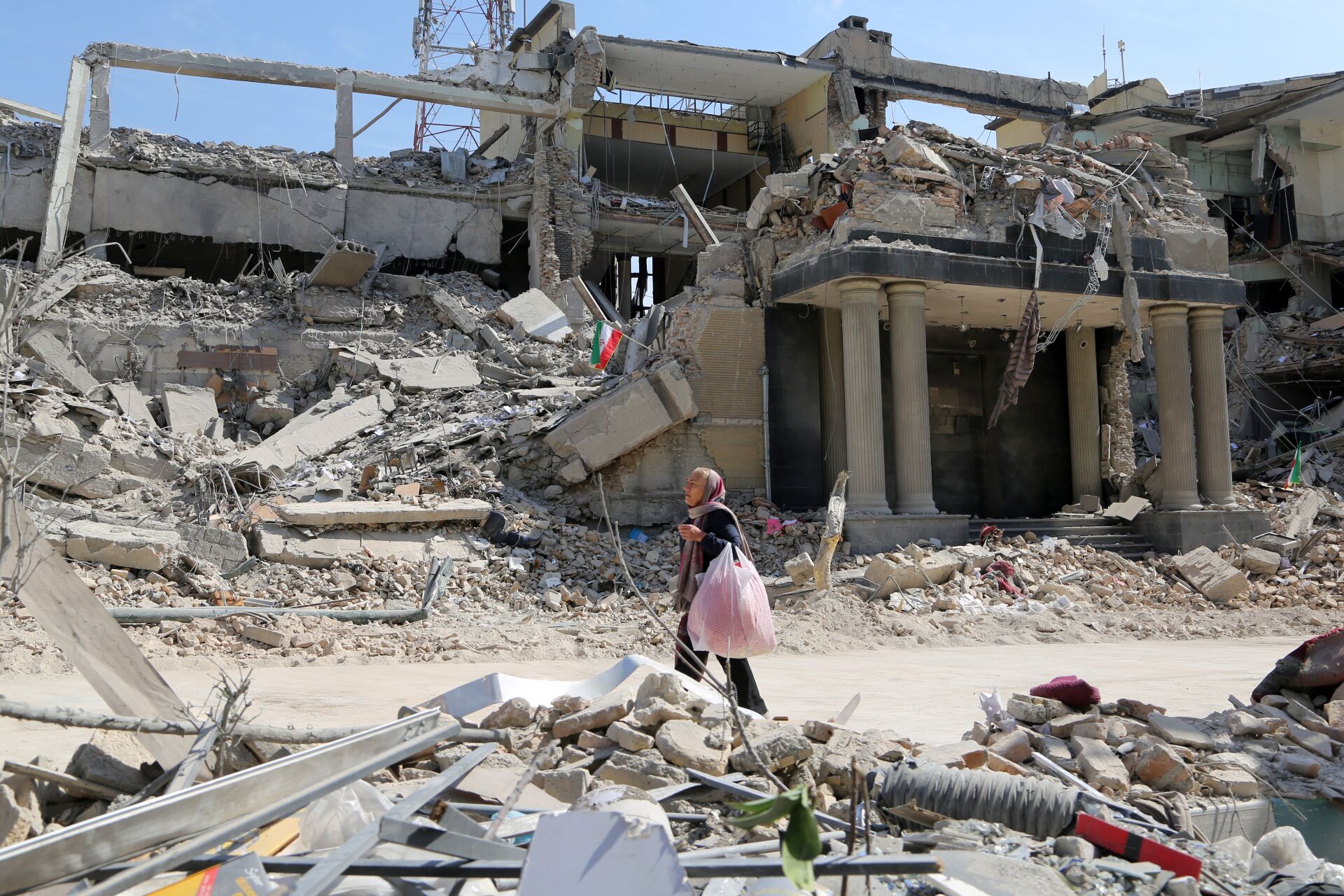

Our emergency work in focus
All →
Publications
All →
24 August 2026
Infection prevention and control considerations for routine immunization activities during the Bundibugyo...
This interim guidance document provides infection prevention and control considerations to support the safe planning and implementation of routine immunization...
17 August 2026
Protecting health care during the Bundibugyo virus disease response in the eastern Democratic Republic...
This operational guidance provides practical considerations for integrating protection measures and maintaining the continuity of essential health services...
13 July 2026
The Diagnostic testing for Ebola disease and Marburg virus disease: interim guidance, 9 July 2026
Rapid diagnosis of Ebola disease (EBOD) and Marburg virus disease (MVD) is critical to provide timely and appropriate care and stop transmission. These...
Filovirus disease outbreaks pose significant public health threats, and treatment centres have become essential infrastructure for outbreak response. This...
Documents
All →
25 August 2026
Greater Horn of Africa Food Insecurity and Health Crisis, Strategic Response Plan (August 2026–January...
The Greater Horn of Africa (GHoA) is facing a rapidly deteriorating humanitarian and public health crisis driven by conflict, displacement, recurrent climate...

11 August 2026
Attacks on health care dashboard - 2018
Health care is under attack. The sanctity of health care, the right to health, and International Humanitarian Law are threatened. Such attacks deprive...

11 August 2026
Attacks on health care dashboard - 2019
Health care is under attack. The sanctity of health care, the right to health, and International Humanitarian Law are threatened. Such attacks deprive...

11 August 2026
Attacks on health care dashboard - 2024
Health care is under attack. The sanctity of health care, the right to health, and International Humanitarian Law are threatened. Such attacks deprive...
More about our work in emergencies

Tracking SARS-CoV-2 variants
Overview
All viruses, including SARS-CoV-2, the virus that causes COVID-19, change over time. Most changes have little to no impact on the virus’s properties. However, some changes may affect the virus’s properties, such as how easily it spreads, the associated disease severity, or the performance of vaccines, therapeutic medicines, diagnostic tools, or other public health and social measures.
In June 2020, the WHO Virus Evolution Working Group was established with a specific focus on SARS-CoV-2 variants, their phenotype and their impact on countermeasures. This later became the Technical Advisory Group on SARS-CoV-2 Virus Evolution. In late 2020, the emergence of variants that posed an increased risk to global public health prompted WHO to characterize some as variants of interest (VOIs) and variants of concern (VOCs) in order to prioritize global monitoring and research, and to inform and adjust the COVID-19 response. From May 2021 onwards, WHO began assigning simple, easy-to-say labels for key variants.
Considerable progress has been made in establishing and strengthening a global system to detect signals of potential VOIs or VOCs and rapidly assess the risk posed by SARS-CoV-2 variants to public health. More specifically, in 2024 WHO launched a WHO Coronavirus Network (CoViNet) to facilitate early and accurate detection of coronaviruses and variant tracking including coordinating risk evaluations. It remains critical that these systems are maintained, and data are shared, according to good principles and in a timely fashion, as SARS-CoV-2 continues to circulate at high levels around the world. While monitoring the circulation of SARS-CoV-2 globally, it also remains essential to monitor their spread in animal populations and chronically infected individuals, which are crucial aspects of the global strategy to reduce the occurrence of mutations that have negative public health implications. In March 2023, WHO updated its tracking system and working definitions for variants of concern, variants of interest and variants under monitoring. They can be found here. The previous working definitions can be found here.