


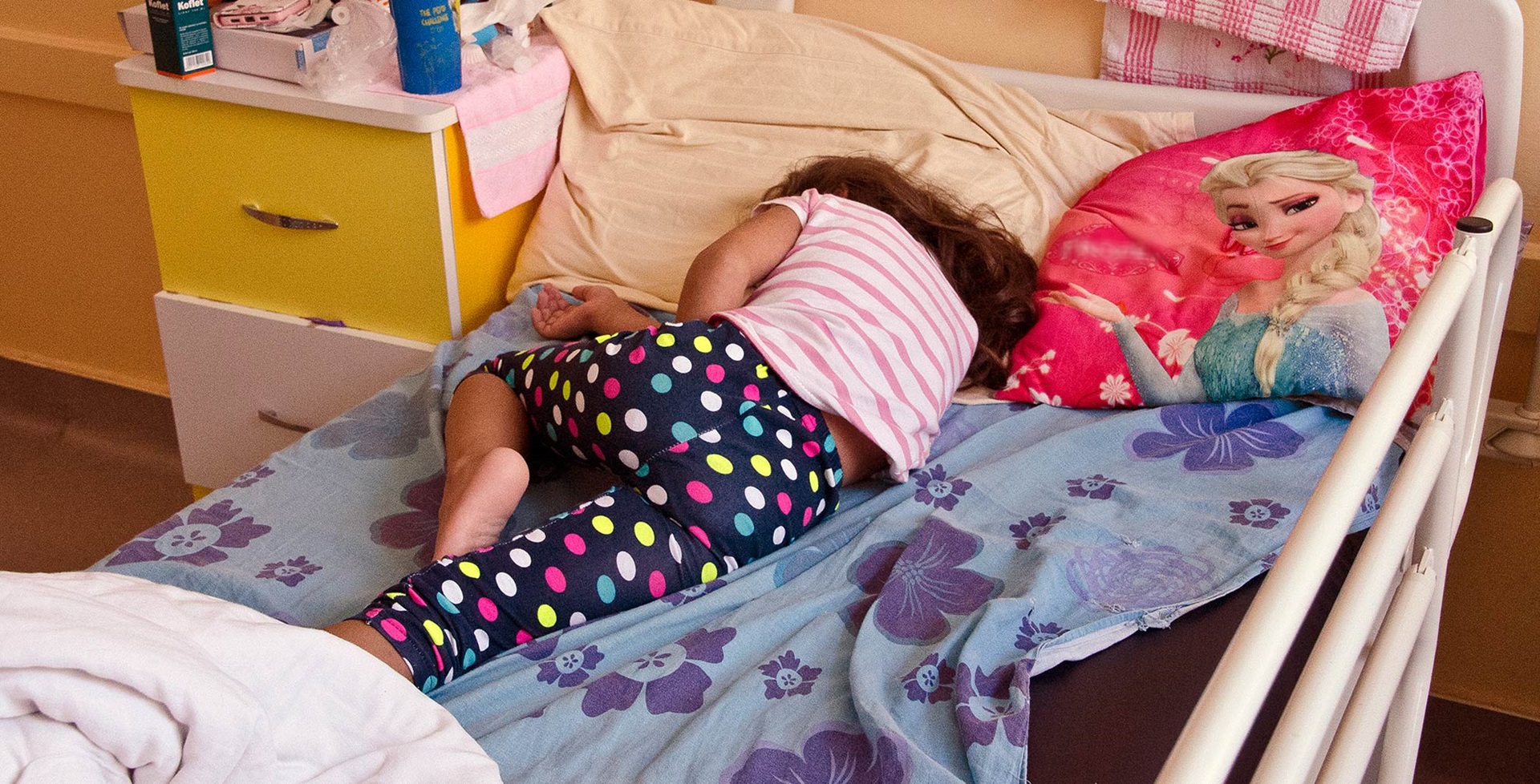
WHO/Malin Bring
©
Credits
Caring for children and adolescents in hospitals
WHO advises and supports countries to ensure severely ill children and adolescents in hospital receive the care they need.
In most parts of the WHO European Region, severely ill children have good access to hospitals, with established referral systems and skilled and committed nurses and doctors. Nevertheless, in some settings children remain in hospital and away from school and their families unnecessarily and for too long; receive excessive treatment with ineffective drugs and inappropriate therapies; and get inadequate support or monitoring.
The reasons for this include:
- a lack of evidence-based clinical guidelines;
- links between hospitals’ reimbursement from health insurance schemes or government budgets and length of stay or number of therapies, regardless of need;
- health regulations that do not always support a rational approach to laboratory services and testing;
- little incentive for hospitals to comply with standards of good practice;
- aggressive marketing from pharmaceutical companies;
- low salaries and little information for staff; and
- financial interests of physicians.
WHO support to countries
- Capacity building. WHO provides training and technical support to health professionals and decision-makers to strengthen child-friendly, high-quality hospital care. This includes workshops, country missions, supportive supervision and peer learning to promote best practices in neonatal and paediatric care.
- Evidence-based research. WHO supports countries in generating and applying evidence to improve hospital care for children. For example, in Kyrgyzstan and Tajikistan, WHO has collaborated with national authorities to strengthen health systems and improve the quality of maternal, newborn and child health services. This initiative has applied research and quality assessments to guide targeted interventions and demonstrated how data-driven approaches can lead to measurable improvements in care.
- Tools and guidelines. WHO has developed practical tools such as the Assessment Tool for Hospital Care for Children and the Standards for Improving the Quality of Care for Children and Young Adolescents in Health Facilities. These resources help countries evaluate and improve the quality of care in line with international standards. The WHO “Pocket book of hospital care for children” provides clinical guidelines for managing common childhood illnesses in hospital settings, supporting safe and effective care. The WHO “Pocket book of primary health care for children and adolescents” offers guidance for managing child and adolescent conditions at the primary care level, helping to prevent unnecessary and avoidable hospitalizations.
- Advocacy and partnerships. WHO works with governments, professional associations and civil society to promote child-centred high-quality hospital care. By fostering collaboration and advocating for policy change, WHO helps ensure that children’s rights and needs are prioritized in hospital settings.
