


Health workforce
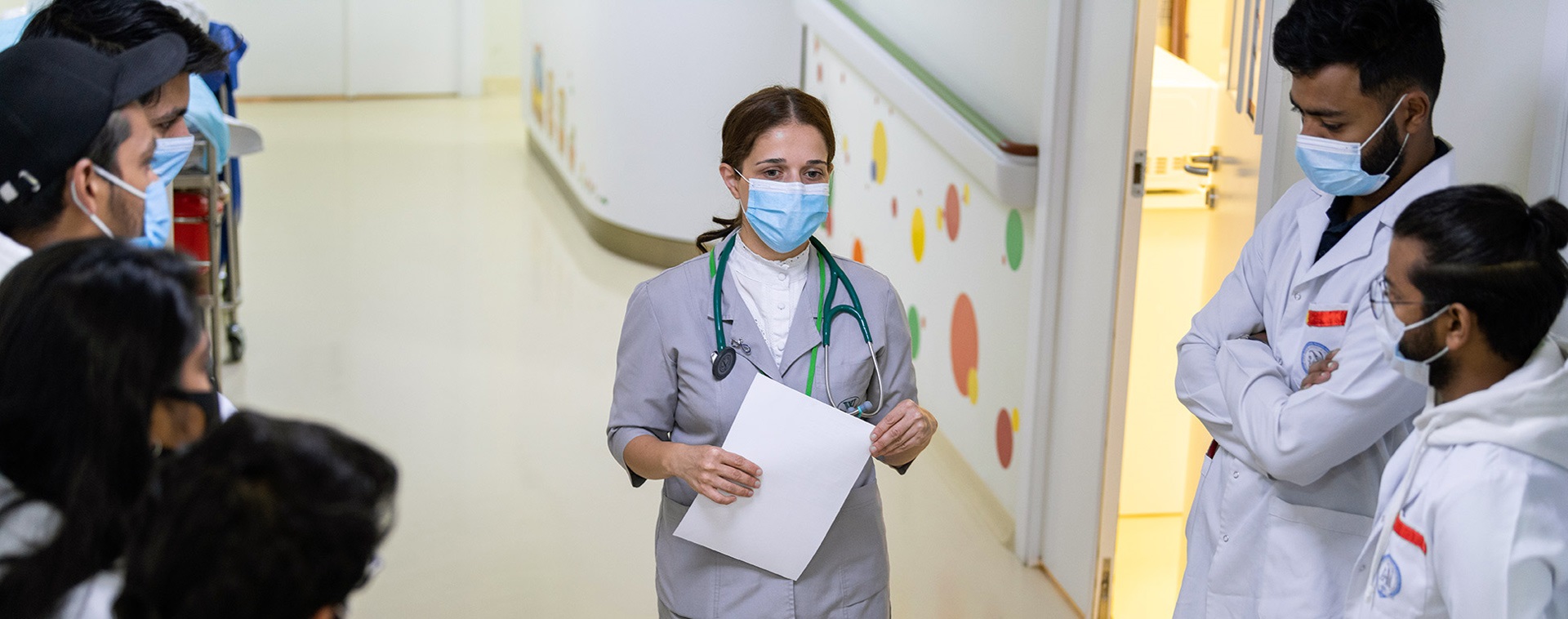
Human resources for health – or the health and care workforce – are “all people engaged in actions whose primary intent is to enhance positive health outcomes” (Working together for health: the World Health Report 2006). This includes traditional clinicians, doctors, nurses, dentists, midwives, pharmacists, and also rehabilitation specialists (including occupational therapists, physical therapists, speech and language therapists, etc.), long-term care workers, social workers, managers, and staff involved in the running of hospitals, ministries, primary health care and other health units, as well as community service providers.
Without health and care workers there can be no health services; they are the beating heart of every country’s health system and are indispensable to achieving universal health coverage, helping to ensure that all people have access to the full range of quality health services they need, when and where they need them, without encountering financial hardship. This covers the full continuum of essential health services, from health promotion to prevention, treatment, rehabilitation, and palliative care.
Supporting and investing in all health and care workers – including in the planning of the workforce, their retention, recruitment, management and training – is key to ensuring healthy lives and promoting well-being for all, throughout the life-course of every individual.
Across the WHO European Region, countries recognize the need to build a sustainable, fit-for-purpose, well-supported and motivated health and care workforce, ready to meet the demand for services, while being prepared to deal with emerging health challenges.
This need for preparation has been highlighted by the COVID-19 pandemic, when health systems were put under unprecedented pressure, revealing hitherto unrecognized difficulties.
Even before the pandemic, all countries across the Region were struggling to ensure an adequate number of health and care workers with the right mix of skills and distributed appropriately to serve the needs of urban, rural and underserved areas.
Today, retention of the current health workforce and the recruitment of future personnel are even more urgent priorities. To achieve these objectives, it is critical that the mental health and well-being of health and care workers are safeguarded, by promoting a work–life balance and providing a safe working environment.
The WHO Global Strategy on Human Resources for Health provides guidance to countries for improving and implementing effective health workforce planning, education, training, and retention strategies to support a sustainable health workforce suited to the specific conditions of each country.
WHO supports countries to strengthen their health and care workforce
At the 73rd session of the Regional Committee in Astana, Kazakhstan (September 2023), representatives from 53 WHO/Europe countries unanimously adopted a resolution in support of a new Framework for action on the health and care workforce 2023–2030.
The Framework builds on the Bucharest Declaration on the health and care workforce, also adopted in 2023, which urges governments to support action to strengthen the health and care workforce in the WHO European Region.
The 2023 Framework comes at a critical time when all countries in the Region are struggling to retain and recruit enough health and care workers with the right mix of skills to meet the growing and changing needs of patients. The Framework acts as a foundation to help fix this health workforce crisis. WHO/Europe will continue to support governments as they implement it over the coming years.
The new Framework sets out 5 key pillars for action that countries can take to protect and support their health and care workers:
- retain and recruit
- build supply
- optimize performance
- plan
- invest.


