Zika virus disease
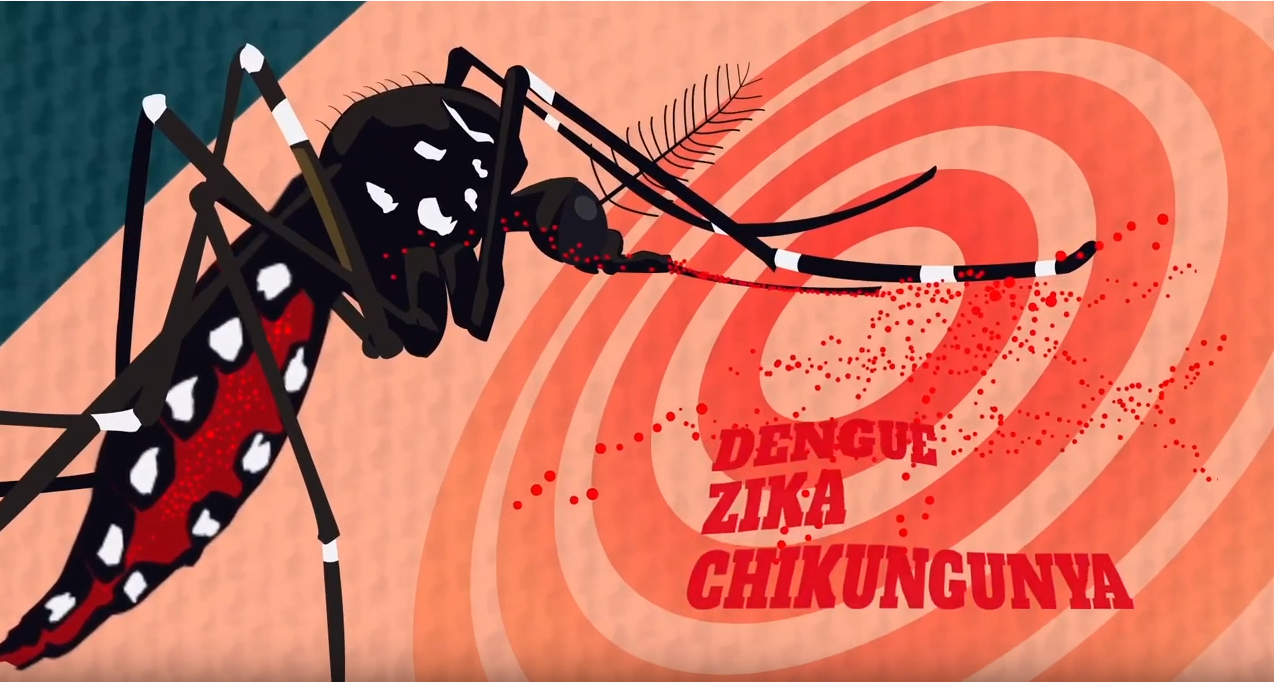
Zika virus is primarily transmitted by the bite of an infected mosquito from the Aedes genus, mainly Aedes aegypti, in tropical and subtropical regions. Aedes mosquitoes usually bite during the day, with peak activity in the early morning and late afternoon or evening. These mosquitoes also transmit dengue and chikungunya viruses, as well as yellow fever virus in urban settings.
Zika virus is also transmitted from mother to fetus during pregnancy, as well as through sexual contact, laboratory exposure, transfusion of blood and blood products, and potentially organ transplantation.
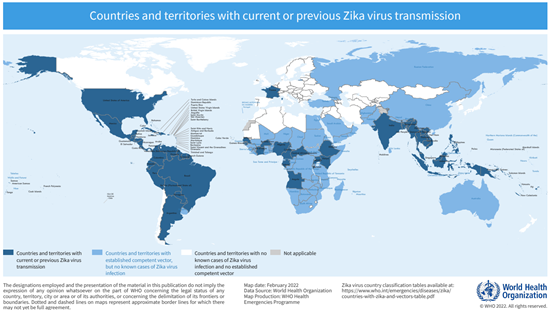
WHO declared a public health emergency of international concern regarding microcephaly, other neurological disorders and Zika virus from February to November 2016. Cases of Zika virus disease declined globally from 2017 onwards; however, Zika virus transmission persists at low levels in several countries in the Americas and in other endemic regions. To date, a total of 92 countries and territories have reported evidence of mosquito-transmitted Zika virus infection, however surveillance remains limited globally.
No vaccine is currently available for the prevention or treatment of Zika virus infection. Development of a Zika vaccine remains an active area of research.
The history of Zika virus disease
Most people infected with Zika virus do not develop symptoms. Among people who become ill, the incubation period (the time from exposure to symptoms) of Zika virus disease is estimated to be 3–14 days.
Symptoms are generally mild, including rash, fever, conjunctivitis, muscle and joint pain, malaise, and headache, and usually last for 2–7 days.
Complications of Zika virus disease
Zika virus infection during pregnancy is a cause of microcephaly and other congenital abnormalities in the developing fetus and newborn. Zika infection in pregnancy can also result in pregnancy complications such as fetal loss, stillbirth and preterm birth.
Zika virus infection in some adults and older children can cause neurological disease manifestations, including Guillain-Barré syndrome, neuropathy and myelitis.
Research is ongoing to investigate the effects of Zika virus infection on pregnancy outcomes, strategies for prevention and control, and effects of infection in children and adults, including other neurological disorders.
Protection against mosquito bites during the day and early evening is a key measure to prevent Zika virus infection. Special attention should be given to the prevention of mosquito bites among pregnant women, women of reproductive age and young children.
Personal protection measures include wearing clothing (preferably light-coloured) that covers as much of the body as possible; using physical barriers such as window screens and closed doors and windows; and applying insect repellent to skin or clothing that contains DEET, IR3535 or icaridin according to the product label instructions.
Young children and pregnant women should sleep under mosquito nets if sleeping during the day or early evening. Travellers and people living in affected areas should take the same basic precautions described above to protect themselves from mosquito bites.
Aedes mosquitoes breed in small collections of water around homes, schools, and work sites. It is important to eliminate these mosquito breeding sites, including covering water storage containers, removing standing water in flowerpots, and cleaning up trash and used tires. Community initiatives are essential to support local government and public health programs to reduce mosquito breeding sites. Health authorities may also advise the use of larvicides and insecticides to reduce mosquito populations and disease spread.
Vector control operations framework for Zika virus
For regions with active transmission of Zika virus, all people with Zika virus infection and their sexual partners (particularly pregnant women) should receive information about the risks of sexual transmission of Zika virus.
WHO recommends that sexually active men and women be counselled and offered a full range of contraceptive methods to be able to make an informed choice about whether and when to become pregnant in order to prevent possible adverse pregnancy and fetal outcomes. Pregnant women should practice safer sex (including correct and consistent use of condoms) or abstain from sexual activity for at least the entire duration of pregnancy.