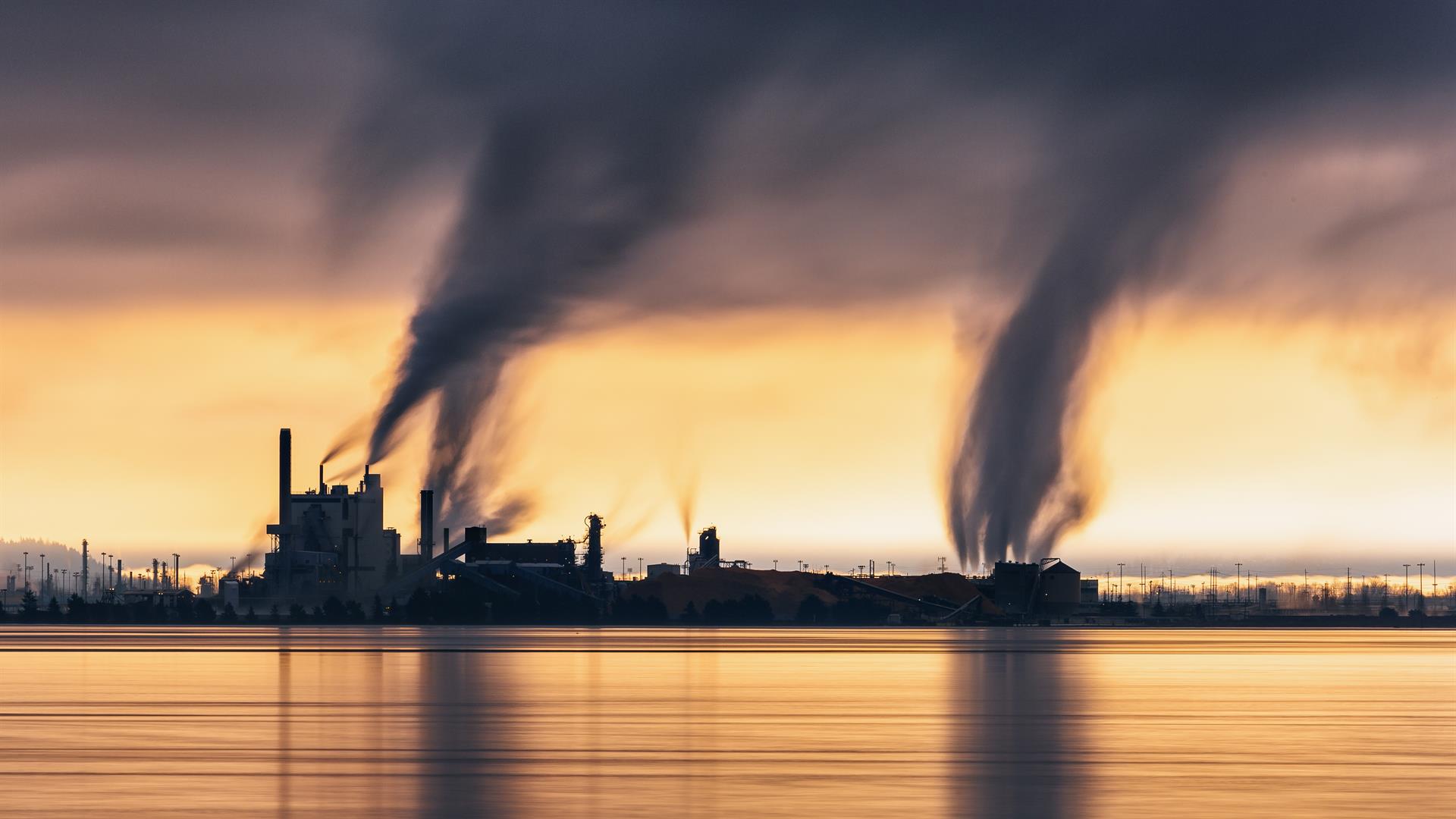
Air pollution
Air quality monitoring → Air quality monitoring in low- and middle-income countries needs to be strengthened, especially in areas close to hospitals, schools, and workplaces. Low-cost sensors and other new technologies can expand air quality monitoring and forecasting to areas that are currently underserved. New protocols and standards are needed to guide the effective use and interpretation of data produced by low-cost sensors in citizen science and other applications.
Overview
Air pollution is the biggest and most pressing environmental threat to health and responsible for 1in 9 premature deaths around the world. Cardiovascular disease, chronic obstructive respiratory diseases and lung cancer in adults and acute lower respiratory tract infections in children under- five are among the key avoidable causes of diseases and premature death. The health impact of air pollution reveal considerable inequities disproportionately affecting the most vulnerable and disadvantaged in society. Women and young children are among the most vulnerable, particularly household air pollution from the use of wood, animal dung and crop waste as cooking fuels. In WHO South-East Asia Region an average of 63% of all households are exposed to unacceptable levels of household air pollution. For people in cities in the region, 99% of cities are breathing air far in excess of WHO Guideline levels.