
Introduction
The World Health Organization Unity Studies Network in the South-East Asia Region (SEAR) was established as part of a broader effort to strengthen regional preparedness for epidemics and pandemics. Building on experiences from the COVID-19 pandemic, the initiative focuses on enhancing countries’ capacities to conduct standardized epidemiological investigations using harmonized protocols, thereby enabling the generation of timely and comparable evidence for public health action.
In SEAR, the establishment of the network was guided through a phased approach, beginning with regional consultations, adaptation of global frameworks, and progressive engagement with institutions that demonstrated capacity and experience in implementing Unity Studies.
Virtual meeting to introduce the concept and Terms of Reference (ToR)
In early 2024, the WHO Regional Office for South‑East Asia (SEARO) initiated preparatory consultations to establish the South‑East Asia Regional (SEAR) chapter of the Unity Studies Network. This followed initial communication from WHO Headquarters and the release of the global Terms of Reference (ToR) for the WHO Unity Studies Sites Network. The ToR outlined the purpose and scope of the network, defined the roles and responsibilities of participating institutions, described the benefits of participation, and specified the criteria for selection of implementation sites
On 3 July 2024, WHO SEARO convened a preliminary regional meeting (virtual) with institutions eligible to serve as network sites, WHO Country Offices (WCOs), and WHO Headquarters. The eligible SEAR sites were identified based on their previous implementation of Unity Studies during the COVID‑19 pandemic and their demonstrated capacities to conduct investigations and studies in line with the Terms of Reference. The meeting introduced the Unity Studies concept, outlined its operational framework and Terms of Reference, and provided an overview of available study protocols as well as key technical considerations for research readiness activities.

Participants of the WHO SEAR preliminary meeting on Unity Studies (Credit: IHM/WHE/ SEARO)
As an outcome of the meeting, institutions were requested to review the proposed Terms of Reference (ToR) and provide feedback by mid‑2024 to support its regional adaptation. WHO Headquarters committed to finalizing the ToR and sharing updates with SEARO. SEARO was tasked with initiating formal communication through WHO Country Offices to interested institutions, inviting them to join the network and acknowledge the ToR. The meeting also emphasized the importance of establishing a community of practice to foster collaboration and exchange of ideas, even ahead of the formal endorsement of the regional network.
Following the preliminary meeting, focal points from the eligible study sites and the relevant WHO Country Offices in the South‑East Asia Region reviewed and provided feedback on the global ToR. This review included several elements unique to the SEAR context. In consultation and agreement with WHO Headquarters, the ToR were subsequently adapted and finalized to align with South-East Asia regional needs and implementation priorities, with the SEAR‑specific version completed in November 2024.
Country and Regional Level Activities and Progress (2024–2025)
The following summarizes key Unity Studies activities implemented across the regional and national-levels during 2024–2025. These activities highlight how regional and national institutions have begun adopting standardized protocols, building research capacity, and strengthening pandemic preparedness through training, protocol adaptation, and collaborative implementation under the Unity Studies Network.
- Bangladesh
- IEDCR, Bangladesh is adapting the protocol for the Investigation of Non‑Seasonal Influenza and Other Emerging Acute Respiratory Diseases and is progressing with the required ethical and institutional clearances, in close coordination with the WHO Country Office
- India
- All India Institute of Medical Sciences (AIIMS) conducted a two‑day virtual training programme on WHO Unity Protocols for Influenza and Other Respiratory Pathogens of Pandemic Potential. The training was delivered in two batches and targeted both new and existing research sites established during the COVID‑19 sero‑epidemiological studies.
- Hamdard Institute of Medical Sciences & Research (HIMSR) adapted WHO’s Household Transmission Investigation (HHTI) and Associated Risk Factors for Influenza A, Influenza B, and Respiratory Syncytial Virus (RSV) Infection protocol for implementation among residents of Delhi, India. The experience was documented and shared as a best practice global unity studies webinar conducted in October 2025.
- Nepal
- National Public Health Laboratory (NPHL), Nepal is reviewing the available Unity Studies protocols in close coordination with the WHO Country Office. The laboratory plans to adapt suitable study protocols to the national context in years ahead.
- Sri Lanka
- University of Sri Jayewardenepura (USJ), Sri Lanka is in discussion with the National Influenza Centre and the Epidemiology Unit of the Ministry of Health to plan the implementation of ToR‑related activities under the Unity Studies Network in 2025.
- During the Annual Regional Meeting on PIP PC and WHO’s Preparedness and Resilience for Emerging Threats (PRET) Implementation in SEAR, held on 27–30 October 2025 in Colombo, the USJ principal investigator also shared Sri Lanka’s experiences and lessons learned from conducting Unity Studies during the COVID‑19 pandemic, contributing to regional knowledge exchange and capacity strengthening.
- Thailand
- Prince of Songkla University, Thailand is working to establish an integrated surveillance framework for respiratory epidemic diseases by developing standardized clinical criteria and pan‑family diagnostic protocols. These efforts aim to strengthen the early detection of multiple respiratory viruses with epidemic and pandemic potential, as well as enhance national response capacity.
In addition to providing coordination, technical guidance, and resource mobilization to advance the implementation of Unity Studies, the Regional Office also undertook a range of activities to strengthen the network. These engagements supported technical exchanges, facilitated field visits, and enabled high‑level discussions, contributing to greater collaboration and capacity across participating sites.
One such example was the Global Public Health Summit 2025 in Colombo (13–16 July 2025), During these engagements, Member States, academic institutions, and WHO partners showcased progress in implementing Unity Studies, shared lessons learned from the COVID‑19 pandemic, and strengthened efforts to reinforce and institutionalize country‑led early investigation capacities.
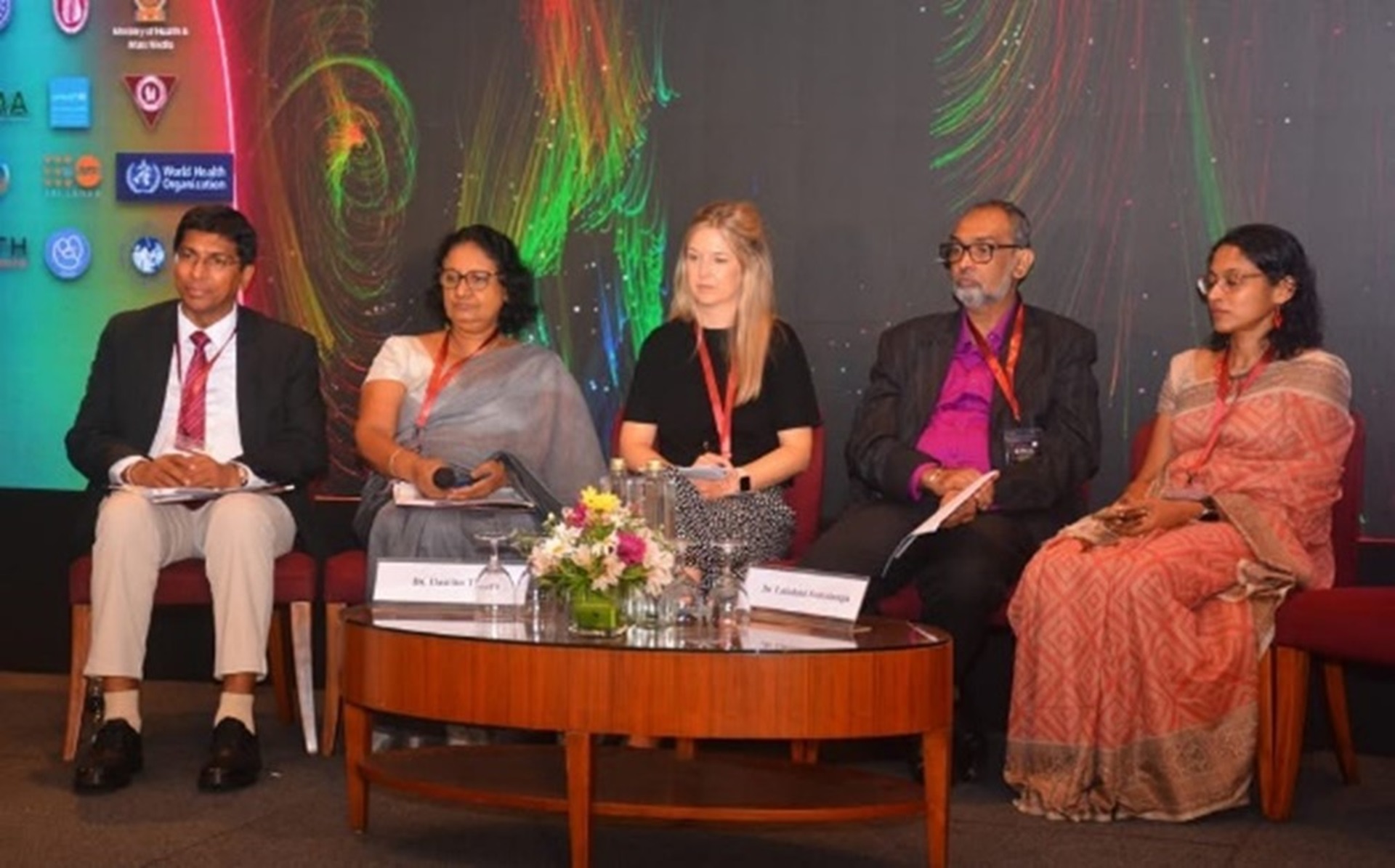
Panelists of the Unity Studies plenary included experts from the Ministry of Health, academia, and WHO. (Photo credit: College of Community Physicians of Sri Lanka)
Collectively, these efforts played an important role in supporting the adaptation of standardized protocols, strengthening research capacity during health emergencies, and enhancing technical collaboration and coordination across research institutions in the Region. They have contributed to improved preparedness of Member States and strengthened their ability to detect, investigate, and respond to future epidemics and pandemics.
Looking Ahead to 2026
During the 2024–2025
biennium, the Unity Studies Network advanced rapidly from concept to global
launch and early implementation in the WHO South‑East Asia Region (SEAR). Key achievements
included the regional adaptation of the Terms of Reference (ToR) and the formal
establishment of the SEAR chapter of the network, comprising six sites across
five countries.
Looking ahead to 2026, regional priorities will focus on supporting Member States to incorporate Unity Studies protocols into national preparedness and response frameworks, strengthening long‑term capacity‑building and sustainability, and deepening collaboration through the community of practice and regional knowledge‑sharing platforms. Unity Studies represent a critical investment in pandemic preparedness, enabling countries to rapidly generate high‑quality, comparable evidence during future respiratory pathogen pandemics, grounded in the principles of equity, capacity strengthening, and regional and global solidarity. The WHO Regional Office for South‑East Asia will continue to provide strategic and technical support to participating sites to advance these objectives, in close collaboration with global experts.