

Photo 1: Meeting Participants of National Action Plan for Health Security (NAPHS) finalization workshop
Credit WCO Bhutan
From 3-5 March 2026, Bhutan convened a landmark consultation workshop to finalize the National Action Plan for Health Security (NAPHS) in Paro, Bhutan. The meeting brought together senior officials from across ministries and government departments, development partners, and civil society to chart the country’s path toward enhanced health security. Through this initiative, the Kingdom of Bhutan has taken an important step for strengthening International Health Regulations (IHR) core capacities for health emergency preparedness, response, resilience and risk management.
Both the medium-term strategic and short-term operational plans were finalized at this three-day consultation, jointly organized by the Department of Public Health, Ministry of Health (MoH), and WHO Country Office for Bhutan, with financial support from the WHO Country Office programme budget and the Pandemic Fund. The consultation workshop reinforced a unified, multi-sectoral approach, including One Health actors to strengthen Bhutan’s capacity to prevent, detect and respond to public health emergencies due to priority infectious and other key hazards.
Through comprehensive deliberations the technical groups drafted a consolidated NAPHS featuring measurable 5-year strategic objectives; and prioritized operational activities designed for implementation within a two-year timeframe.
Building on JEE-IHR 2025 insights
The workshop foregrounded the priority actions recommended by the comprehensive Joint External Evaluation (JEE) – IHR completed in 2025. The JEE-IHR identified key strengths of Bhutan in emergency coordination, surveillance, laboratories and workforce readiness alongside gaps in human resources, data interconnectedness, radiation emergencies etc. These findings, complemented by other health security and systems reviews, informed the actionable strategic objectives and prioritized activities across 19 technical areas now detailed in the NAPHS.
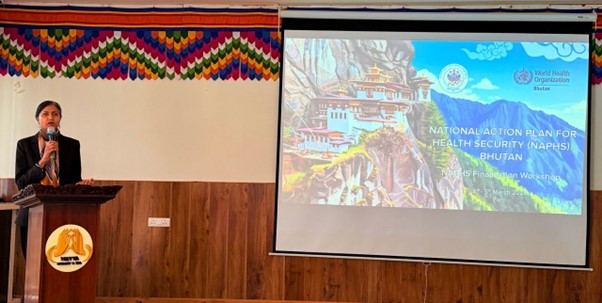
Photo 2 :WR Dr Bhupinder Kaur, WR to Bhutan, addressing the audience
During the opening session, WHO Representative Dr. Bhupinder Kaur expressed gratitude to the Pandemic Fund for its support and highlighted that key recommendations from the JEE-IHR are already being implemented. She emphasized the importance of aligning national priorities with global health security frameworks and congratulated the Ministry of Health for preparing a comprehensive draft NAPHS during 9-13 February 2026 to be discussed and finalized in this consultation.
Key stakeholders including the Ministry of Health (MoH), the Bhutan Food and Drug Authority (BFDA), Department of Environment and Climate Change (DoECC), National Medical Services, Jigme Dorji Wangchuck National Referral Hospital, (JDWNRH), Royal Civil Services Commission (RCSC), GovTech, Department of Local Governance and Disaster Management (DLGDM), Ministry of Foreign Affairs and External Trades (MoFAET), Ministry of Finance (MoF), Department of Livestock, Department of Law and Order, Royal Bhutan Police, Red Cross and Points of Entry (PoE) officials committed to finalizing and implementing the NAPHS.
Mr. Karma Jamtsho, Director of the Department of Public Health (DoPH) underscored the importance of workforce training and capacity building, noting that a resilient health system requires skilled personnel at all levels. Priority activities identified include strengthening the role of the Royal Government of Bhutan, leveraging the Pandemic Fund, and mobilizing domestic resources to ensure sustainable financing. The funding landscape will be broadened through donor engagement while ensuring and preparing for domestic funds to flow in, thereby maintaining strong national ownership.
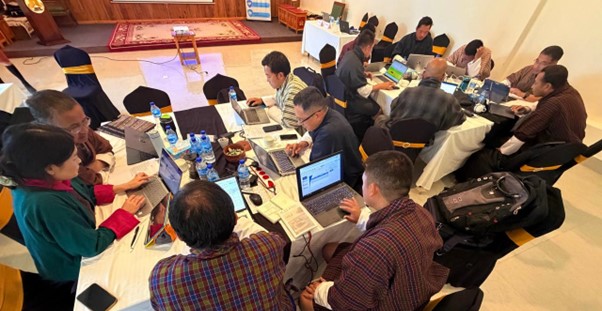
Photo 3: Group work to finalize strategic actions and operational activities for the NAPHS plan in progress
On the last day of the consultation, the technical working groups presented the finalized strategic objectives and operational activities. Dr Reuben Samuel, Programme Area Manager, Country Health Emergency Preparedness and IHR, Health Emergencies Programme, WHO South-East Asia Regional Office, engaging virtually added “Health security is a continuous and iterative journey. NAPHS is Bhutan’s commitment to advancing the nation’s health security and resilience. By closing gaps, strengthening interministerial coordination, and engaging every sector, the NAPHS process strengthens Bhutan’s national health security while building public trust. With WHO’s support and strong national ownership, this process positions Bhutan as a leader in health security, ready to safeguard its people and inspire collaboration across borders."
A Whole-of-Government and Whole-of-Society Approach
More than 50 participants from national ministries, health departments, national laboratories, animal health, food safety, Armed forces, academia, department of disaster management, CSO and partner agencies contributed to the planning process. Technical representatives from the WHO provided facilitation support, methodological guidance, and shared global best practices on health security planning.
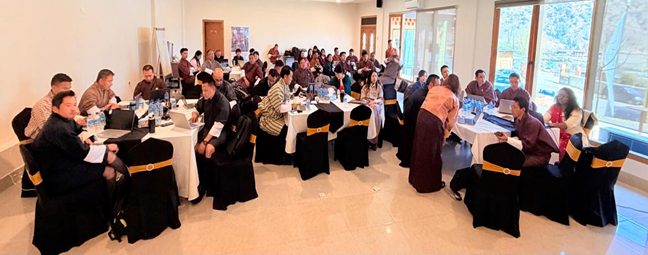
Photo 4: Group work to finalize strategic actions and operational activities for the NAPHS plan in progress
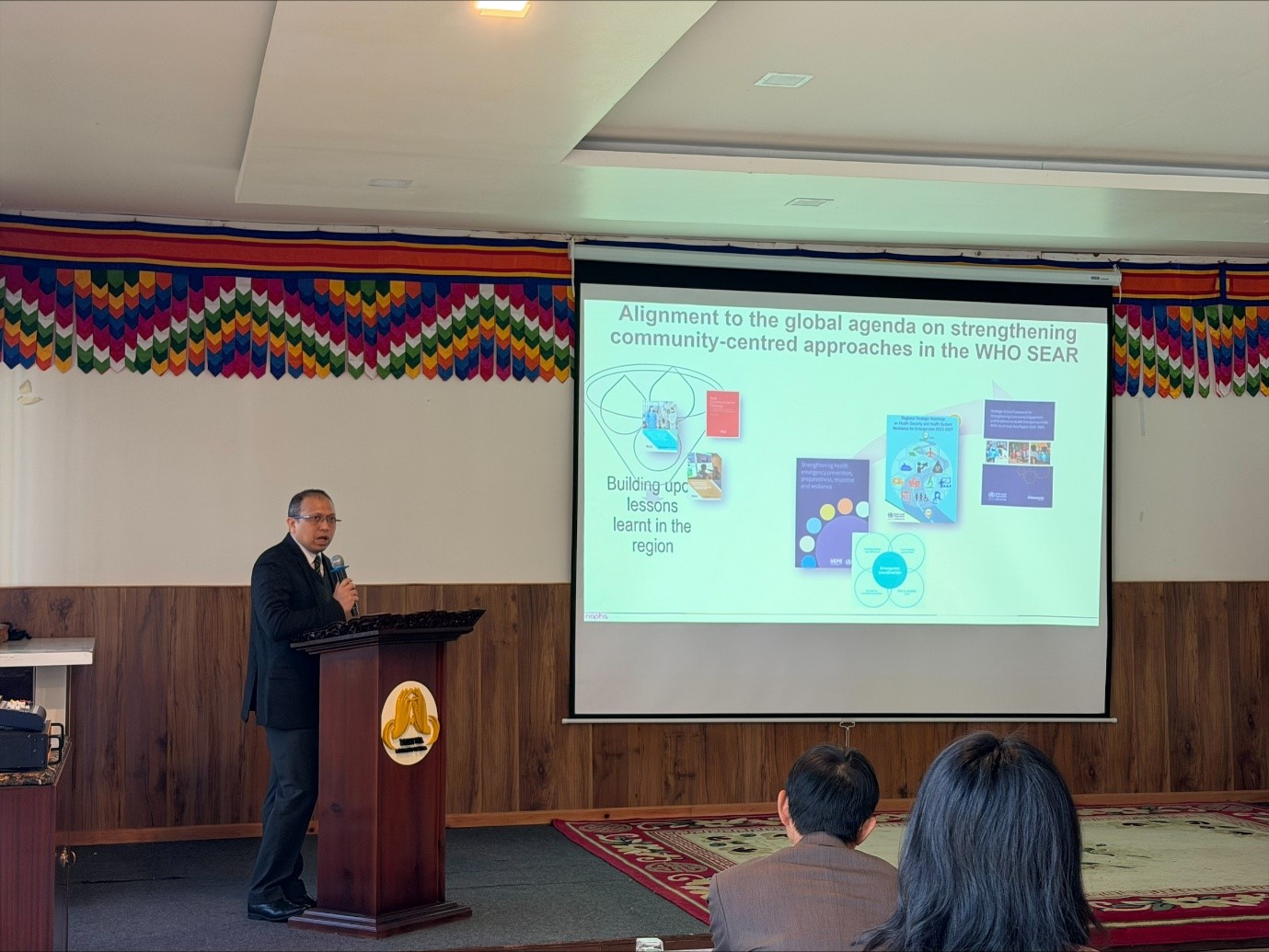
Photo 5: Highlighting alignment of the regional strategic roadmap to the NAPHS development in the WHO SEAR
Key outcomes
- A country-led, multi-year planning process based on the One Health and whole-of-government approaches.
- Development of a five-year strategic action plan and a prioritized 24-month operational plan to address International Health Regulations (IHR) core capacity gaps.
- Integration of the human, animal, environmental, security, and finance sectors into a unified national health security framework.
- Strengthened coordinated readiness for outbreaks, pandemics, natural disasters, and other emergencies.
Path forward
In the next few weeks, technical working groups will validate priority actions, align resource needs with national and subnational planning cycles, and outline coordination mechanisms to support joint implementation and monitoring. Following validation and endorsement, the NAPHS will move into the implementation phase, including costing, resource mobilization and establishment of coordination mechanisms. High-level advocacy, continuous monitoring and periodic evaluation and routine testing of national health emergency risk management systems using After-Action Reviews and simulation exercises were identified as key next steps and recommendations for successful implementation of NAPHS.
As Bhutan moves forward, the NAPHS will serve as a roadmap for building a safer and more resilient health system. The consultation reaffirmed the country’s commitment to emergency preparedness, collaboration, and innovation in protecting public health.