
The World Health Organization (WHO) convened the 18th Bi-regional Meeting of National Influenza Centres (NICs) and influenza surveillance in WHO South-East Asia and Western Pacific Regions from 9 to 11 September 2025. Hosted by WHO’s South-East Asia Regional Office (SEARO), the meeting brought together representatives from Member States, Territories and areas in both WHO regions, WHO Collaborating Centres for Reference and Research on Influenza in Australia and Japan , WHO Collaborating Centre for Studies on the Ecology of Influenza in Animals in USA and quadripartite ( WOAH & FAO) and other technical partners to review progress, share experiences, and chart a path forward for strengthening influenza and respiratory pathogen surveillance across the two WHO regions.
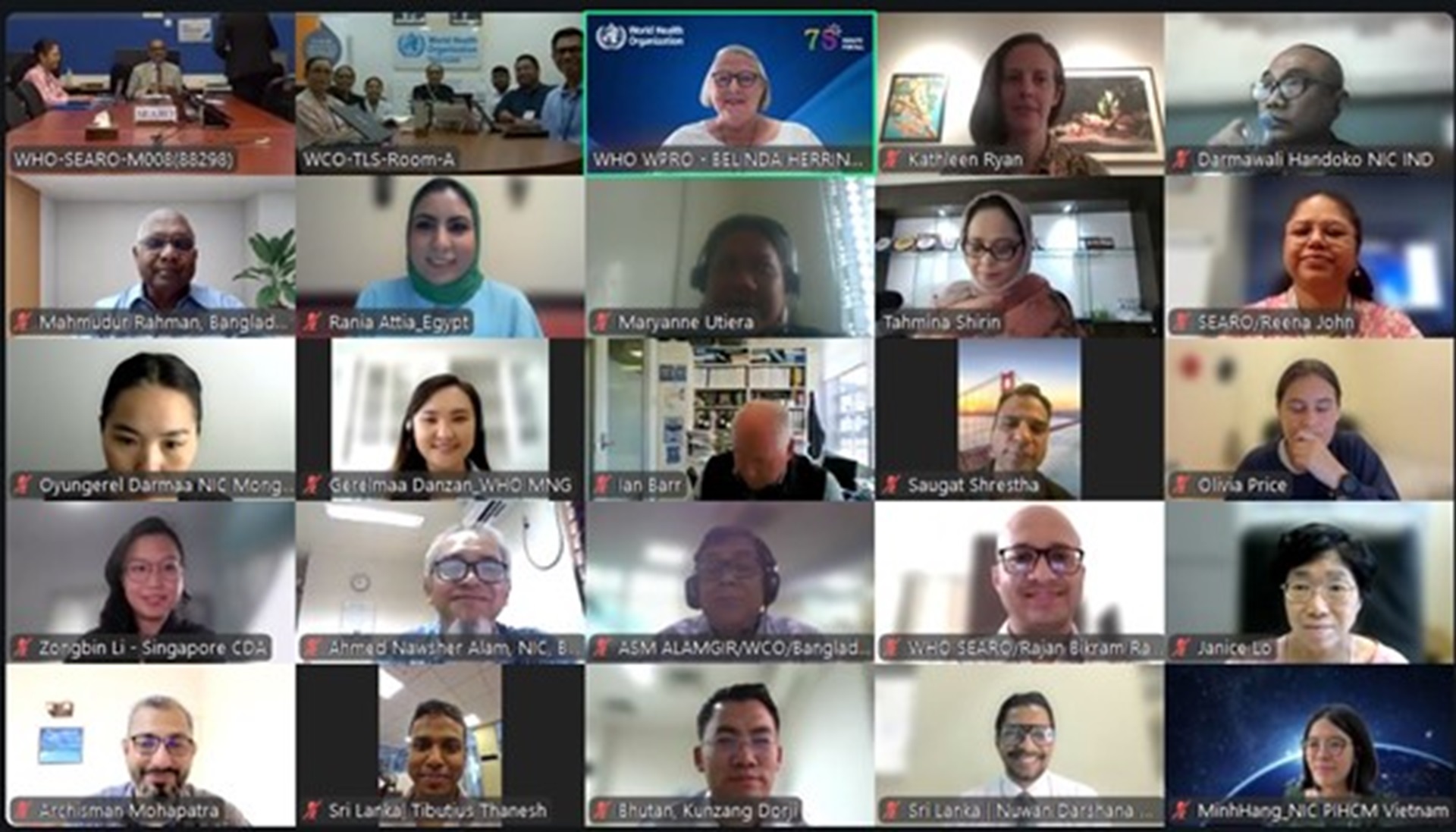
Participants from Member States, territories, areas, WHO Collaborating Centres and partner organizations met virtually to strengthen surveillance networks across two regions. (Photo: IHM/WHE SEARO)
In her opening address, Dr Catharina Boehme, Officer-in-Charge (OIC) for WHO South-East Asia Region, commended countries for their continued commitment to strengthening national and regional preparedness systems despite financial and operational challenges.
“Influenza surveillance remains the backbone of our regional preparedness architecture,” Dr Catharina said. “The systems and expertise built through influenza monitoring form the foundation for detecting and responding to any new respiratory pathogen with pandemic potentail"
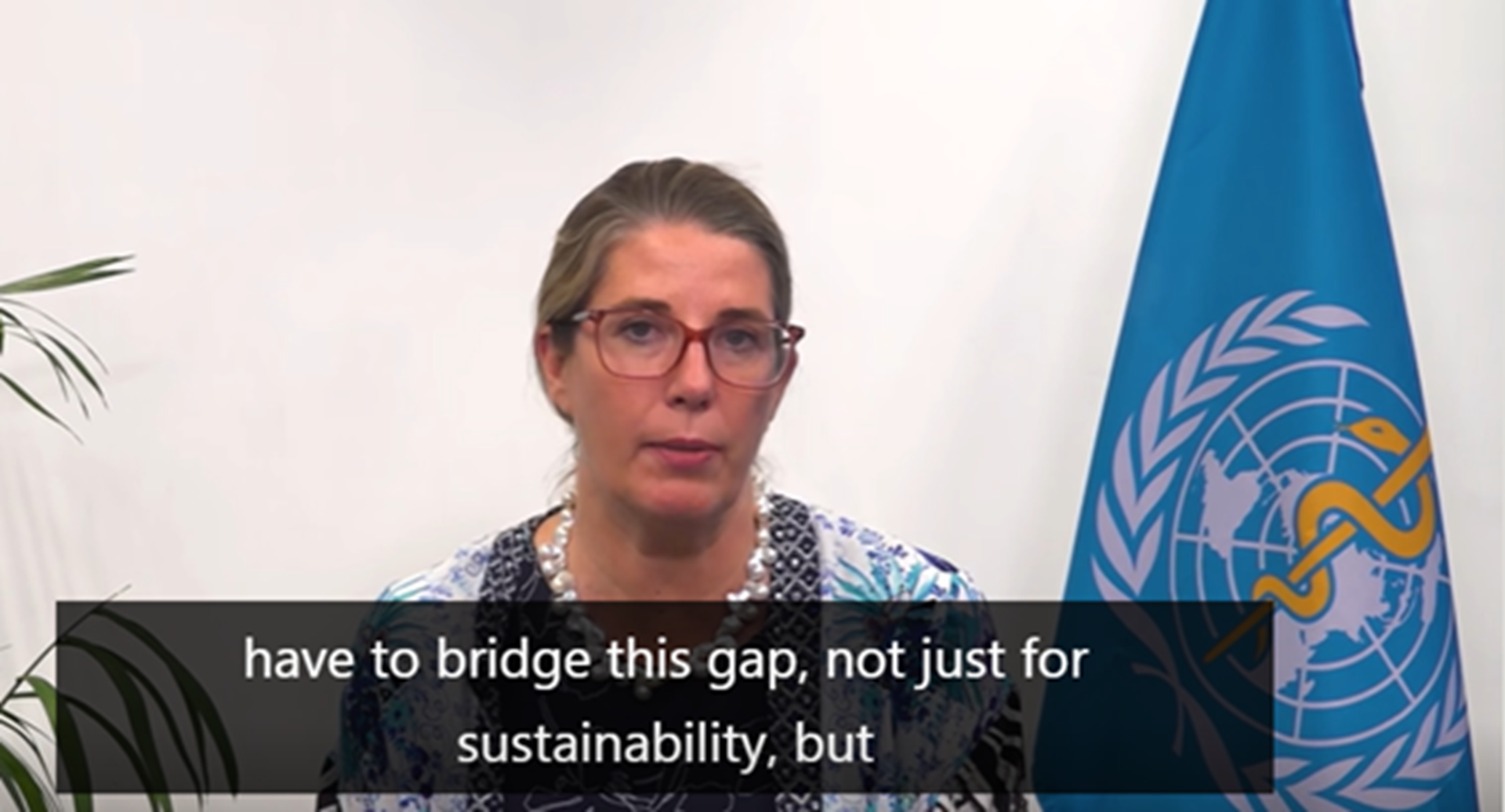
Dr Catharina Boehme, OIC WHO South-East Asia, reaffirms the Region’s commitment to equitable pandemic preparedness during her address. (Photo: IHM/WHE SEARO).
Dr Catharina underscored the need for equitable and sustainable investments in pandemic preparedness. She highlighted that the world continues to face an annual shortfall of approximately USD 10.5 billion in funding for health emergency readiness, a gap that disproportionately affects low- and middle-income countries, including many in the Asia-Pacific region.
“Bridging this gap is not just a question of sustainability; it is a matter of equity, resilience, and global solidarity,” she emphasized.
Dr Saia Ma'u Piukala, Regional Director for WHO Western Pacific Region highlighted the longstanding collaboration between two regions, showcased at this meeting over the past 17 years. He emphasised that the sharing of critical surveillance data continues to strengthen health security in the Asia-Pacific region and inform vaccine recommendations. He noted recent H5 outbreaks in the South-East Asia and Eastern Pacific regions as reminders that the region remains a global hotspot for zoonotic influenza.
The first day of the meeting focused on the current status of seasonal influenza and global surveillance priorities. Presentations from the WHO’s Global Influenza Programme, SEARO, and WPRO highlighted the continued co-circulation of Influenza A(H3N2) and A(H1N1)pdm09 viruses, along with steady contributions from both regions to the Vaccine Composition Meetings (VCMs).Collaborating Centers in Japan and Australia detailed ongoing antigenic and genomic analyses informing vaccine strain recommendations.
A high-engagement panel on “Doing More with Fewer Resources” explored sustainable strategies to maintain respiratory threats surveillance amid financial and human resource constraints. National Influenza Centers shared practical innovations such as pooled testing, automation of data reporting, and cross-training staff to sustain essential surveillance operations despite limited resources.
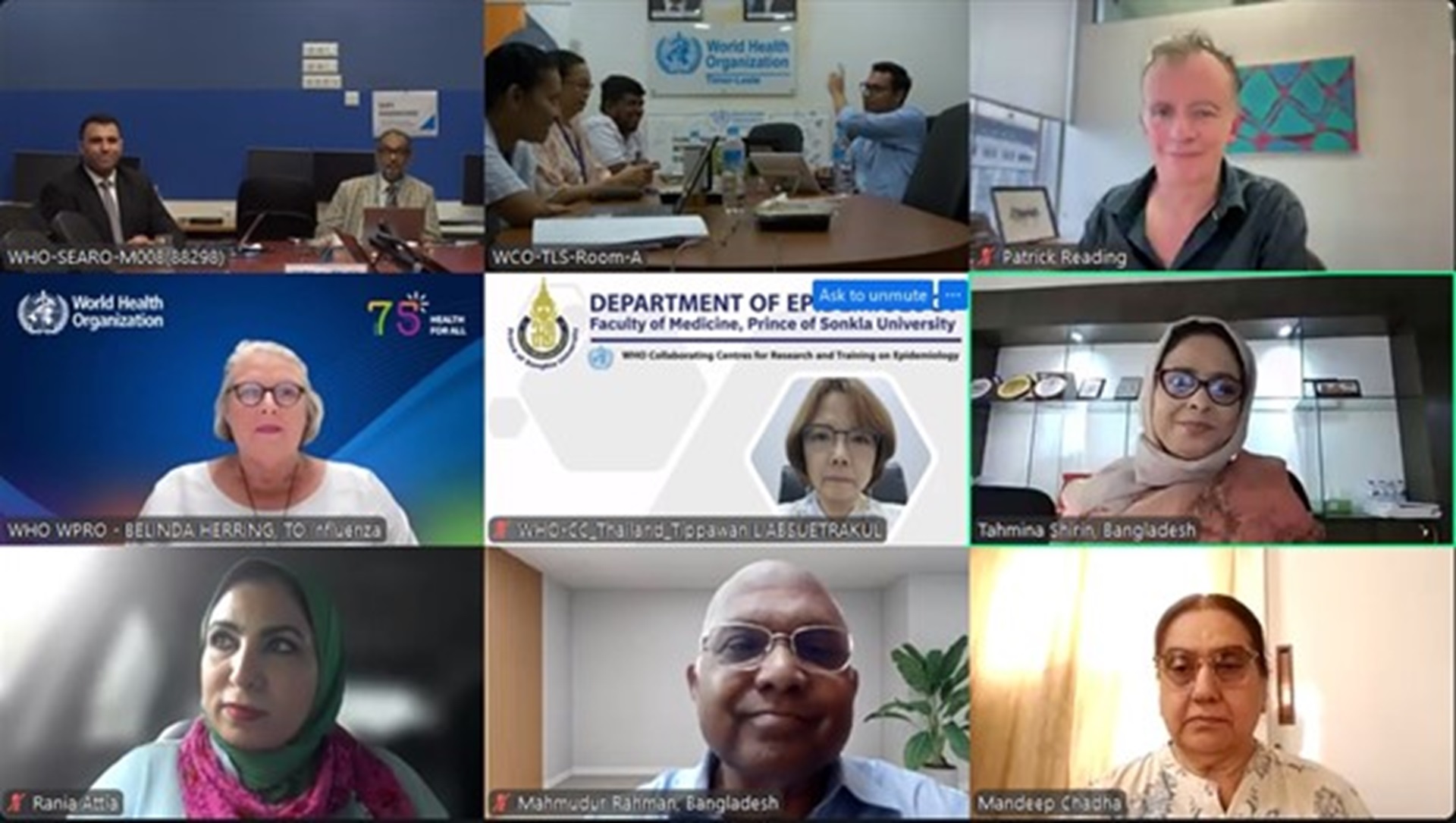
Participants discussed innovative approaches to sustaining influenza surveillance in low-resource settings (Photo credit IHM/WHE/SEARO )
On the second day, participants discussed avian and zoonotic influenza across the Asia-Pacific region. Presentations by Dr Richard Webby (WHO Collaborating Center at St. Jude hospital, Memphis,USA) and Dr Lesa Thompson (World Organisation for Animal Health) provided global and regional overviews, emphasizing Influenza A(H5N1) and A(H9N2) activity and their zoonotic potential.
Country updates from Cambodia, Bangladesh, India, and Viet Nam showcased recent human Influenza A/H5 detections and joint outbreak investigations. The session highlighted strong collaborations between National Influenza Centers, Ministries of Health, other relevant ministries and WHO Collaborating Centers in validating results and sharing data promptly.
A bi- regional discussion on One Health coordination mechanisms revealed significant progress, with several countries now conducting routine sampling in live-bird markets and integrating animal health data into national surveillance dashboards. Participants also explored the feasibility of targeted H5 vaccination in poultry and high-risk populations, weighing public health benefits against economic considerations.
The session concluded with consensus on three priorities: sustaining cross-sectoral coordination and simulation exercises; enhancing in-country capacities for Influenza A/H5 detection and sequencing; and strengthening early-warning systems through environmental and animal interface surveillance.
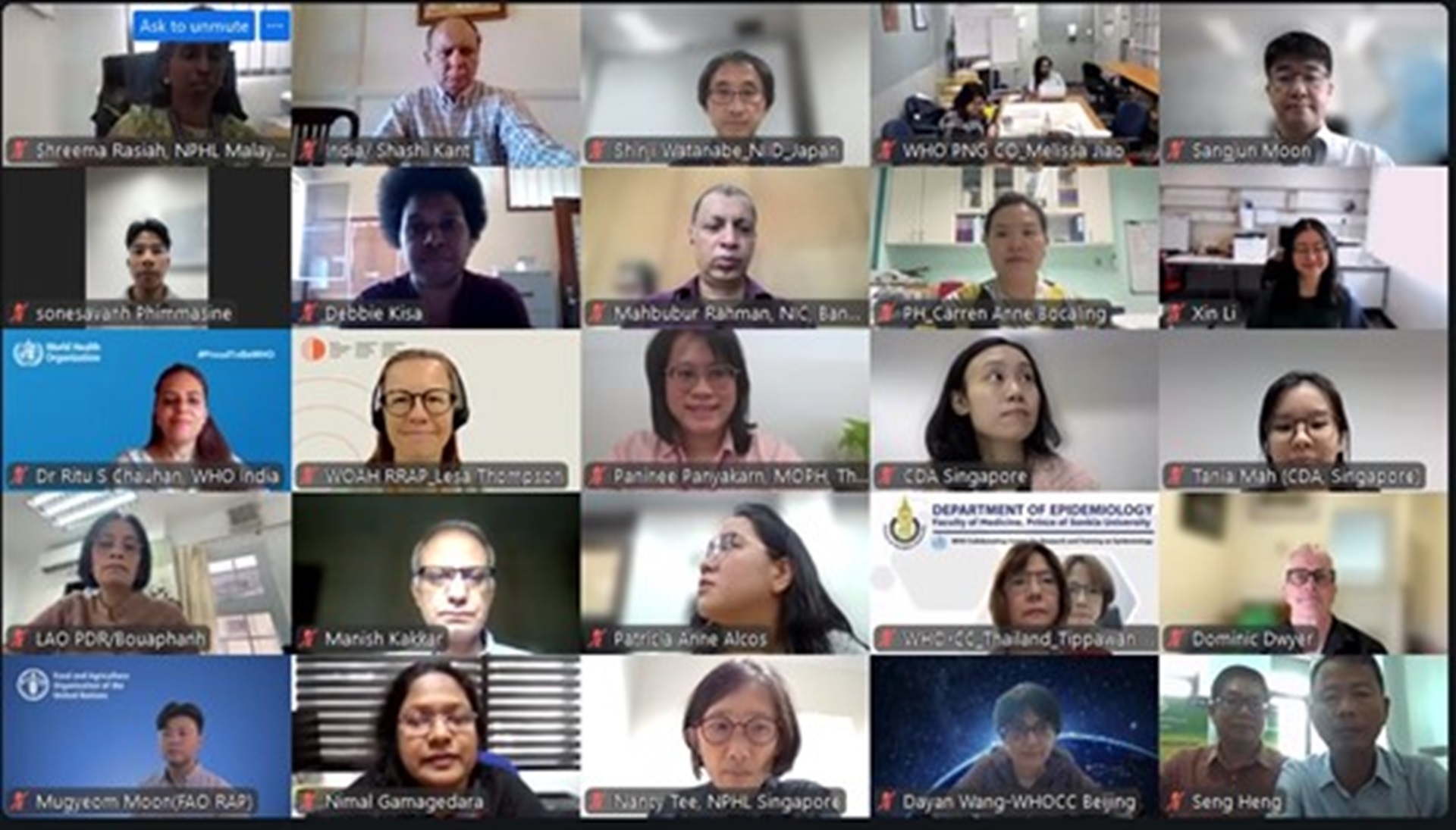
WHO, WOAH, FAO and national experts exchange insights on H5N1 and H9N2 virus activity, reinforcing the One Health approach. (Photo: IHM/WHE SEARO)
Day three focused on advancing respiratory pathogen pandemic preparedness. Dr Sara Hess from WHO headquarters presented updated global guidance on respiratory pathogen pandemic planning, while highlighting the link between influenza readiness and the new Pandemic Accord.
Countries, including India and the Cook Islands, shared experiences in revising their pandemic plans and conducting simulation exercises to test intersectoral coordination and logistical readiness. WHO SEARO and WPRO teams presented examples of PRET-aligned planning in both regions and introduced the Health Emergency Preparedness, Response and Resilience (HEPR) framework for assessing preparedness maturity.
A special session on influenza vaccination, facilitated by the Task Force for Global Health and WHO underscored the dual role of seasonal vaccination in protecting high-risk groups and building a foundation for future pandemic vaccine delivery. Through interactive polls, participants identified key barriers to sustaining vaccine programmes, including limited domestic funding, vaccine hesitancy, and supply chain constraints. They also outlined areas where WHO and partner support is required.
Participants from Member States agreed on a forward-looking set of priorities to strengthen bi-regional influenza preparedness, sustainability of core, minimum essential influenza surveillance and continued Influenza and other respiratory pathogen pandemic preparedness planning in 2026–2027 period.
- Strengthen National Ownership and Sustainability.
- Advocate for integrating influenza and other respiratory threats surveillance into broader national health security, disease control and prevention strategies.
- Ensure the long-term sustainability of preparedness for influenza and other respiratory threats through sustainable investments and innovative financing, while maintaining coordinated and resilient health systems that serve both national and regional needs.
- Enhance Surveillance Capacities.
- Promote timely virus sharing with WHO Collaborating Centres, right-sizing sentinel surveillance networks, and validate innovative, in-house and multiplex diagnostic assays. These efforts will sustain high-quality surveillance , cost-effective laboratory testing and reinforce the foundation of regional influenza preparedness..
- Advance One Health Coordination and Respiratory Pathogen Pandemic Preparedness
Sustain vigilance for zoonotic influenza (including A/ H5), promote joint risk assessments, and regularly update National Influenza and Other Respiratory Pathogen Pandemic Preparedness Plans in alignment with WHO’s PRET framework.
- Strengthening the Regional and Global Collaboration
Deepen collaboration with WHO, WHO Collaborating Centres and key partners to close capacity gaps, enhance sustainability and align regional contributions with global mechanisms such as Vaccine Composition Meetings (VCMs).
In closing, Dr Nilesh Buddha, WHO South-East Asia Regional Emergencies Director, reaffirmed WHO’s continued partnership with Member States to translate meeting recommendations into action. Dr Nilesh concluded the meeting by reminding participants:
“Our collective actions today will shape our ability to safeguard health and well-being for generations to come. The progress we have made must inspire us to keep moving forward, together, stronger and better prepared.”
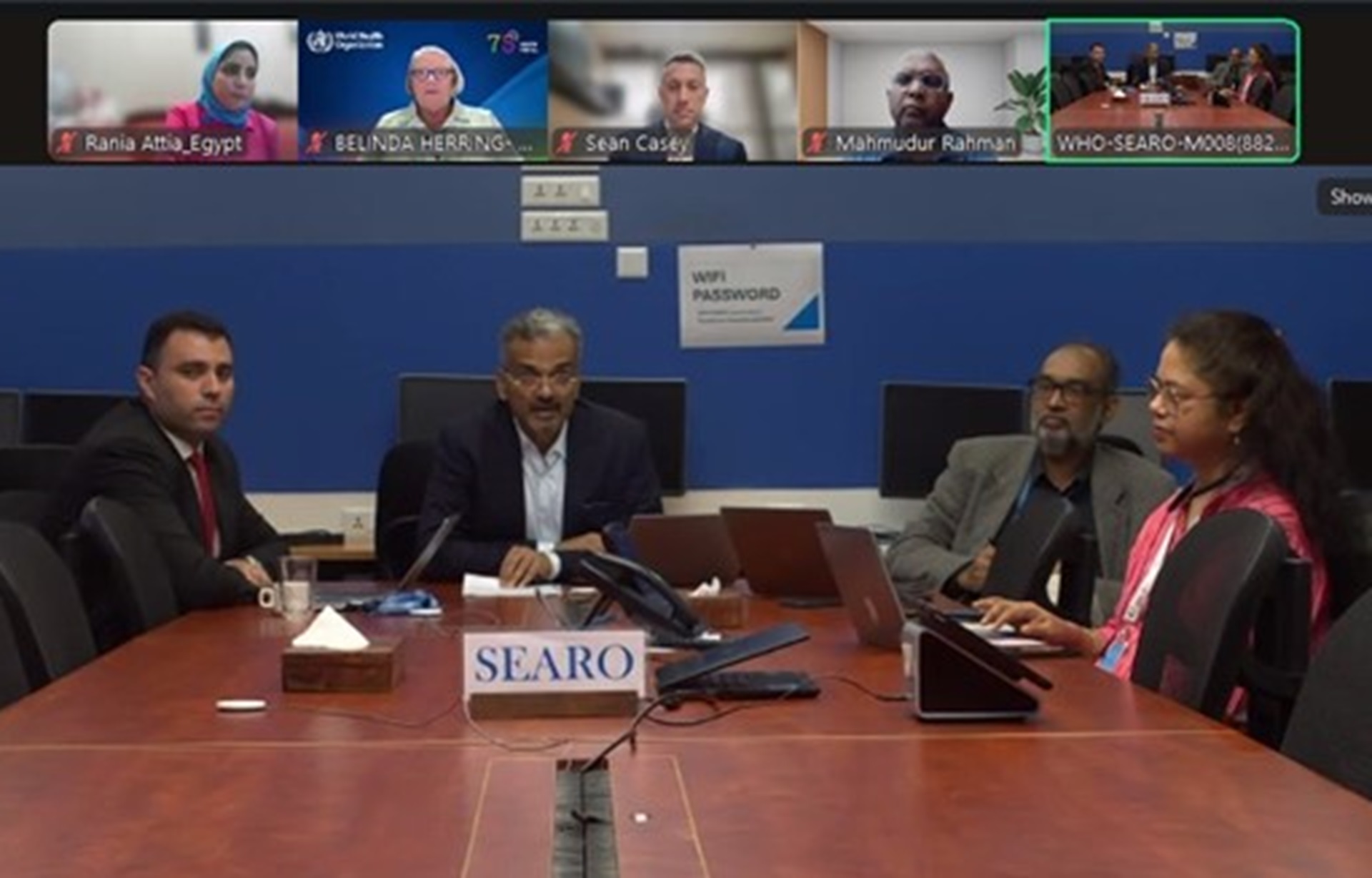
Dr Nilesh Buddha emphasizes collective responsibility and continued regional cooperation to safeguard future generations . (Photo: IHM/WHE SEARO)