
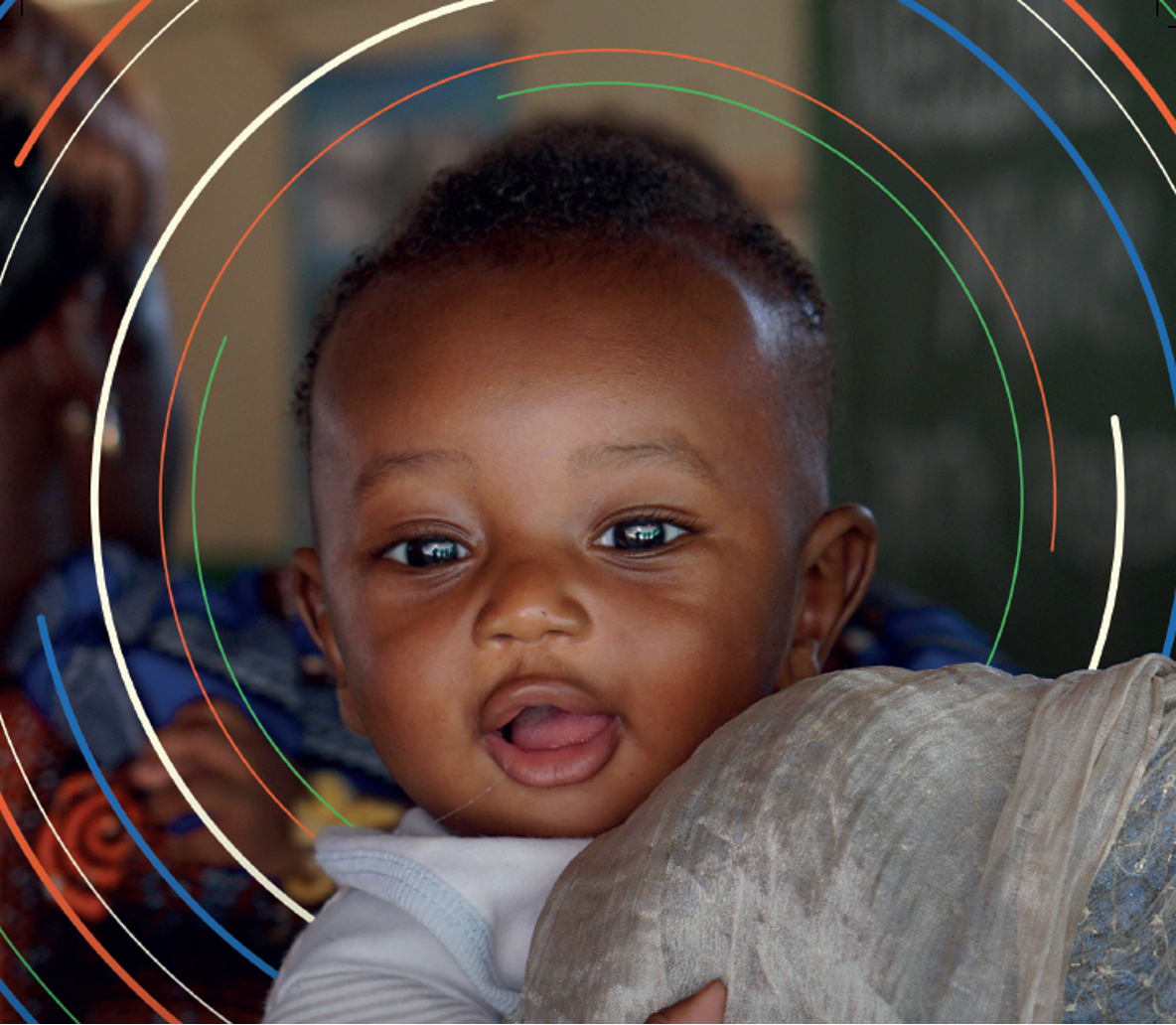
Immunization Agenda 2030
Publications
All →Position papers
News
All →Global Immunization Newsletter

Multimedia
Podcasts
Feature stories


Events
Highlights
Data
Groups
Campaigns

Call for consultation
Immunization dashboard
Key initiatives
Related health topics

WHO/Sanjit Das
Children outside of a school in India at the border with Bangladesh.
Children outside of a school in India at the border with Bangladesh.
©
Credits
Tuberculosis
Tuberculosis
Tuberculosis (TB) is the world’s top infectious killer. Nearly 4500 people lose their lives and 30 000 people fall ill with TB each day. TB is contagious and airborne. It is caused by bacteria (Mycobacterium tuberculosis) that most often affect the lungs. TB is spread from person to person through the air. When people with lung TB cough, sneeze or spit, they propel TB germs into the air. A person needs to inhale only a few of these germs to become infected.
About one-quarter of the world's population has latent TB, which means people have been infected by TB bacteria but are not (yet) ill with the disease and cannot transmit the disease. People infected with TB bacteria have a 5–15% lifetime risk of falling ill with TB. However, persons with compromised immune systems, such as people living with HIV, malnutrition or diabetes, or people who use tobacco, have a much higher risk of falling ill.
When a person develops active TB disease, the symptoms may be mild for many months. This can lead to delays in seeking care, and results in transmission of the bacteria to others. People with active TB can infect 10–15 other people through close contact over the course of a year. Without proper treatment, 45% of HIV-negative people with TB on average and nearly all HIV-positive people with TB will die.
The good news is that TB is curable and preventable.
Technical links
WHO/Sanjit Das
Children outside of a school in India at the border with Bangladesh.
Children outside of a school in India at the border with Bangladesh.
©
Credits
Tuberculosis
Tuberculosis
Tuberculosis (TB) is the world’s top infectious killer. Nearly 4500 people lose their lives and 30 000 people fall ill with TB each day. TB is contagious and airborne. It is caused by bacteria (Mycobacterium tuberculosis) that most often affect the lungs. TB is spread from person to person through the air. When people with lung TB cough, sneeze or spit, they propel TB germs into the air. A person needs to inhale only a few of these germs to become infected.
About one-quarter of the world's population has latent TB, which means people have been infected by TB bacteria but are not (yet) ill with the disease and cannot transmit the disease. People infected with TB bacteria have a 5–15% lifetime risk of falling ill with TB. However, persons with compromised immune systems, such as people living with HIV, malnutrition or diabetes, or people who use tobacco, have a much higher risk of falling ill.
When a person develops active TB disease, the symptoms may be mild for many months. This can lead to delays in seeking care, and results in transmission of the bacteria to others. People with active TB can infect 10–15 other people through close contact over the course of a year. Without proper treatment, 45% of HIV-negative people with TB on average and nearly all HIV-positive people with TB will die.
The good news is that TB is curable and preventable.
Technical links