
World Obesity Federation
© Credits

Developing nutrition guidelines

In order to achieve a world free of all forms of malnutrition, WHO supports Member States to ensure universal access to effective nutrition actions and to healthy and sustainable diets. To do this, WHO develops evidence-informed guidelines on the appropriate actions Member States and partners should take to improve nutrition in individuals and populations.

Guidelines contain the latest scientific evidence for clinical practice or public health policies and programmes, such as information about the amounts of salt and sugars people should eat, as well as recommendations on infant feeding and iron supplementation, among others.

WHO guidelines offer a choice among different interventions or measures that physicians, public health professionals and Member States can make to have an anticipated positive impact on health and nutrition. Each guideline goes through an independent, transparent, evidence-informed, consensual decision-making process.

WHO prioritizes the development of new guidelines on an ongoing basis and tracks the process through our nutrition guideline development and process tracking tool. New guidelines can take anywhere from 6 months to 5 years to produce. All guidelines currently in development, as well as those published within the past 12 months are listed in the tool.
    33% of women

    of reproductive age

    have anaemia

    Find out more

    45 million children

    under 5 yrs of age

    are too thin for their height (wasted)

    Find out more

    150.2 million

    children under 5

    are affected by stunting, or 23.2% of children of this age group in the world

    Learn more

    Our work

    GettyImages
    © Credits

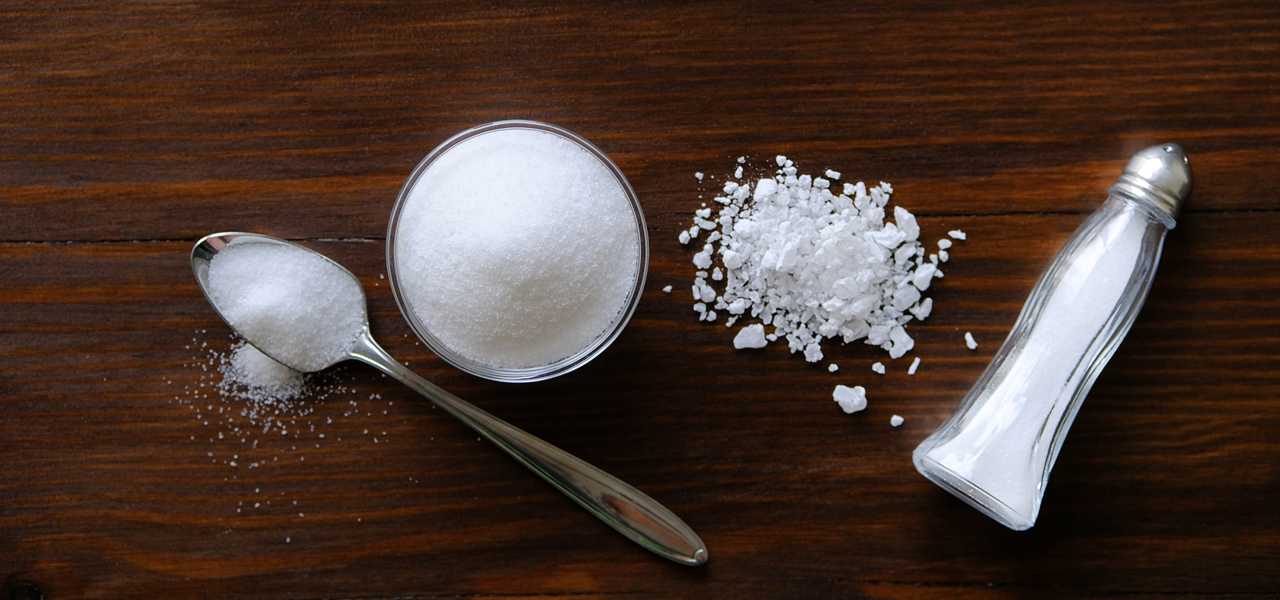
    Reducing population sodium/salt intake

    Excess sodium intake leads to increased blood pressure, and increased blood pressure results in increased risks of cardiovascular diseases.  In 2013, Member States adopted the Global action plan for the prevention and control of non-communicable diseases 2013-2020, to take coordinated action at all levels, to attain nine voluntary global targets, including a 30% relative reduction in mean population intake of sodium by 2025 with a goal of <2000mg/day.  Sodium reduction has since been recognized by WHO as one of the “best buys” in global public health, yielding an estimated return on investment of USD$13-78 for every dollar invested.

    While a number of countries are taking action to reduce population sodium/salt intake, additional efforts are needed to reduce the health consequences, particularly in low- and middle-income countries where the risk of death from raised blood pressure is more than double that in high-income countries. To further action and commitments towards achieving a 30% reduction in dietary sodium by 2025 and a reduction to 2000mg/day beyond 2025, WHO is developing guidance and technical tools to support the implementation of sodium reduction strategies.

    9-12 grams per day

    on average

    most people consume too much salt. The global average almost doubles the recommended intake.

    Learn more

    over 3 million

    annual deaths

    are attributable to high sodium consumption

    Learn more

    Events

    All →

    Publications

    Policies and interventions to create healthy school food environments: WHO guideline

    Children spend a large share of their day in school, making it a critical setting for shaping lifelong dietary habits and reducing health and nutrition...

    WHO guideline on fortification of edible oils and fats with vitamins A and D for public health

    Vitamin A deficiency remains a leading cause of preventable blindness in children and also increases the risks of severe illness or death from infections....

    Use of lower-sodium salt substitutes: WHO guideline 

    This guideline provides evidence-informed guidance on the use of lower-sodium salt substitutes (LSSS). The recommendation in this guideline can be used...

    Fiscal policies to promote healthy diets: WHO guideline

    In current food environments, energy-dense, nutrient-poor foods are readily available, heavily marketed and relatively cheap. Consumers are challenged...