WHO
© Credits

Behavioural and cultural insights

    Overview

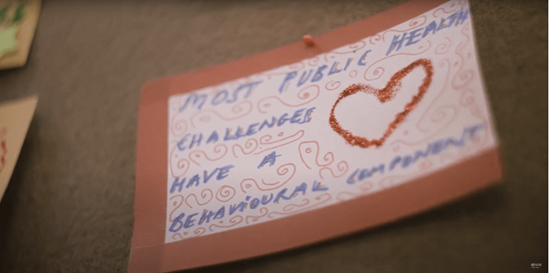
    How we behave is an essential part of our health and well-being. Think about lifestyle behaviours, such as drinking alcohol, smoking, being physically inactive or eating unhealthy food. Think about protective behaviours, such as wearing a mask or using condoms; or think about our interactions with health services and treatment – for example, whether we attend vaccination or follow a treatment plan. WHO/Europe uses behavioural and cultural insights (BCI) to understand these behaviours, what drives them and what prevents them. This knowledge is valuable for ensuring effective health policies, services and communication that are tailored to the needs and circumstances of people and communities.
    News

    All →

    Multimedia

    All →

    Podcasts and audio

    Webinar series

    All →

    Our work

    Exploring behaviours

    Exploring behaviours

    Overview

    We all have a keen interest in promoting healthy behaviours. First, because how we behave is vital for our health and well-being. Second, because when more people are physically active, vaccinate, protect themselves from infections, follow their treatment plan or stop smoking, it removes some of the pressure from health systems and national economies.

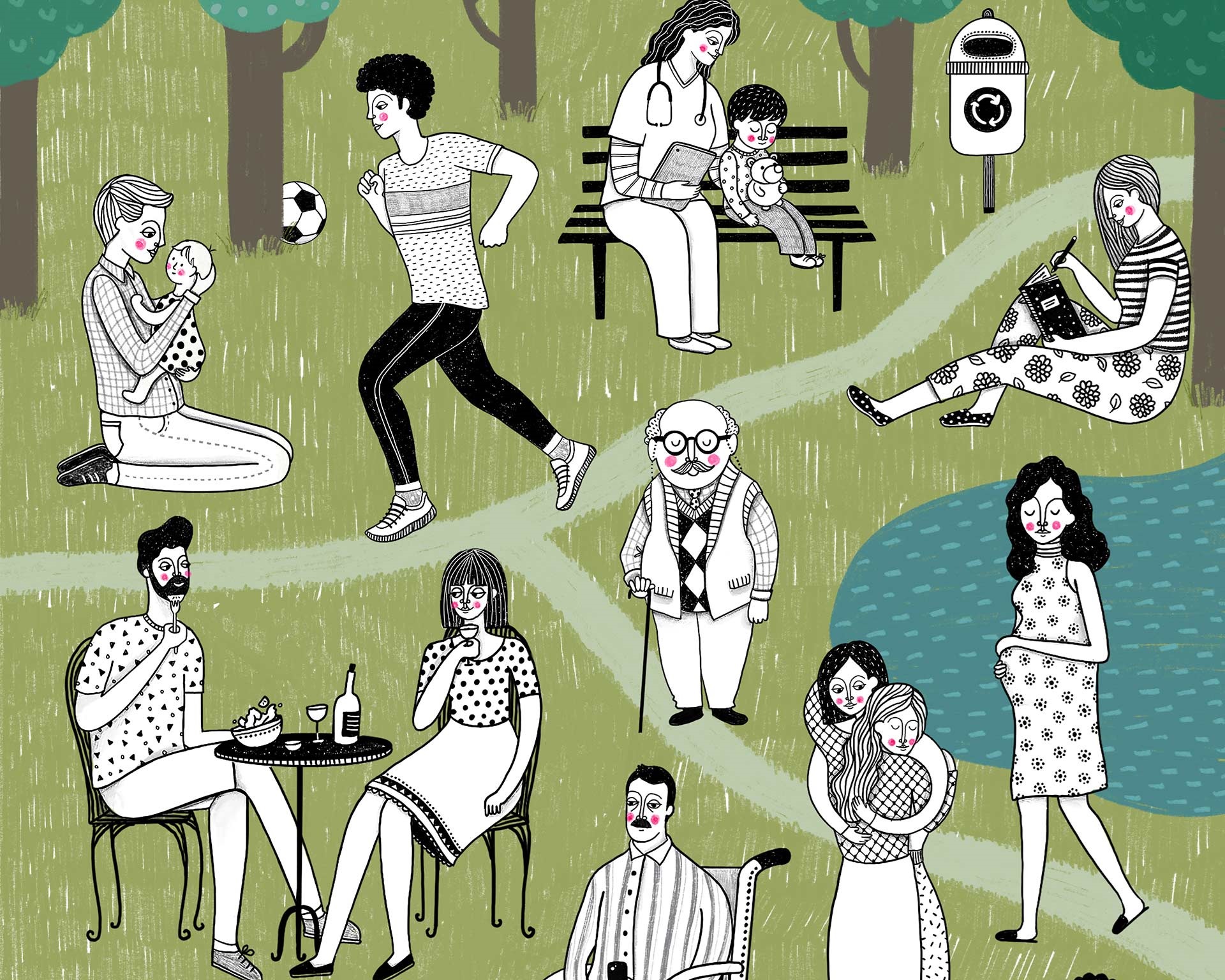
    In the past it was assumed that people behave in healthy ways if they have the necessary knowledge and motivation. Today we know that many other factors play a role, for example, social norms, the cultural context, access to the health system or how health workers interact with their patients. Health behaviours are complex.

    Understanding which factors prevent or drive health behaviours is at the heart of applying behavioural and cultural insights (BCI) to health. WHO/Europe works together with public health authorities to conduct research and engage with the people affected in their local context. The insights we gain from this work are used to develop interventions that support and enable healthy behaviours.

    Another important element of BCI is evaluation. Once interventions have been designed, we help to pilot test them and measure if they have the desired effect. We use robust methods to explore what works best, where, for whom and why.

    Publications

    All →


    Role of the arts and culture in addressing the health impacts of climate change: Behavioural and Cultural Insights policy brief series

    Climate change is a growing public health emergency whose impacts extend beyond physical illness to mental, social and cultural well being. Technical solutions...

    Behavioural insights during the COVID-19 pandemic: evaluation and recommendations for applying a standard data collection tool in a health emergency

    In March 2020 the WHO Regional Office for Europe, supported by Erfurt University, Germany, launched a behavioural insights (BI) survey tool to explore...

    Understanding the health and tourism nexus

    This report explores the multifaceted nexus between health and tourism within the WHO European Region, emphasizing the importance of sustainable tourism...

    WHO Country Office in Poland annual report 2024

    In 2024, the WHO Country Office in Poland worked to deliver tangible results across key public health priorities, including the Ukraine refugee response,...