WHO
© Credits

Tobacco

    Overview

    Tobacco is an important public health issue and the single most preventable cause of illness and death in the world. The latest research suggests that smoking-related mortality has risen to 7.2 million lives annually, killing more people than AIDS, malaria and tuberculosis combined.

    Impact

    Globally, the WHO European Region has the highest prevalence of tobacco smoking among adults (28%), including one of the highest smoking prevalence rates among women (19%). In addition to causing illness and death, tobacco is a driver of health inequities.

    WHO response

    The European Region and its 53 Member States have witnessed some of the greatest gains in the fight against tobacco in recent years. For instance:

    • Fifty (94%) countries of the Region have ratified the WHO FCTC.
    • Large graphic health warnings on tobacco products are now in place in 32 (60%) countries.
    • Tobacco use is well and regularly monitored in 39 (74%) countries.
    • Tobacco taxes are at 75% or more of the retail price of a packet of cigarette in 25 (47%) countries of the Region.

    The progress made shows that it is possible for countries to turn the tide. But while much has been achieved, the current trends still suggest that tobacco use is not decreasing as quickly as it should to meet the globally agreed targets, such as a 30% relative reduction in the prevalence of current tobacco use by 2025. Full implementation of the WHO FCTC and other relevant tobacco control measures in the Region, through the Roadmap of Actions, will help to achieve the set targets and ensure that no country is left behind.

    Multimedia

    All →

    Feature stories

    Our work

    All →
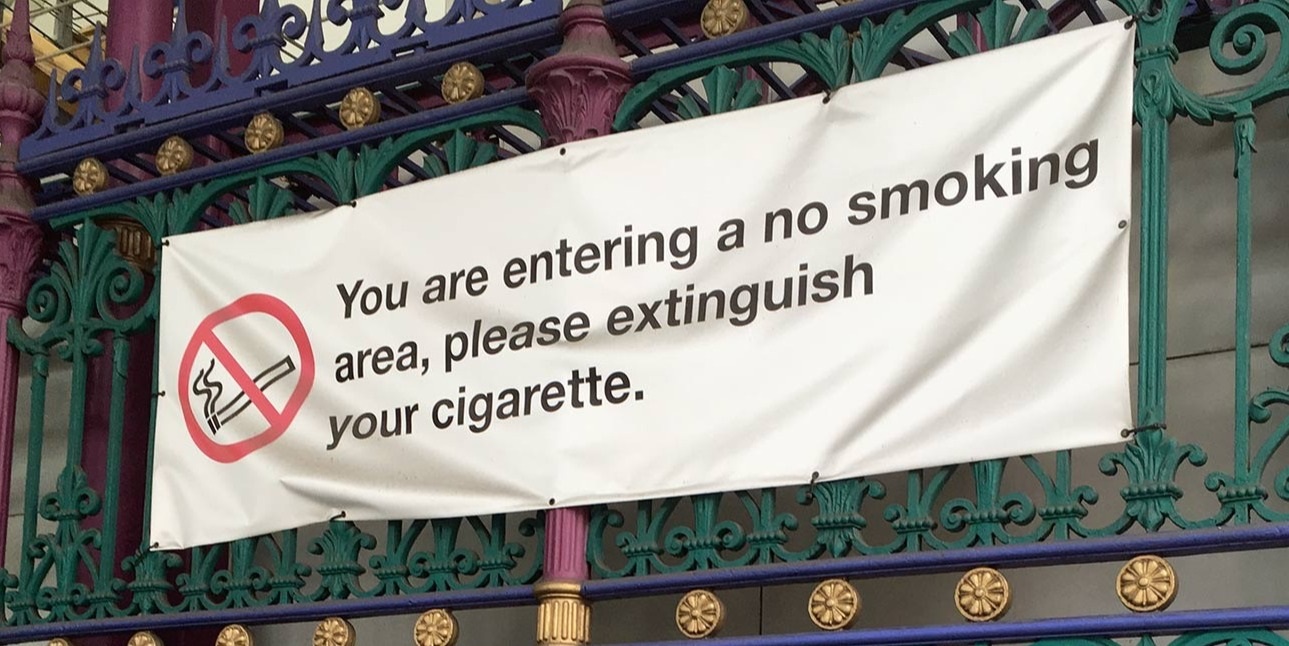
    Driving the creation of smoke-free public places

    Driving the creation of smoke-free public places

    WHO/Tatiana Vorovchenko
    © Credits

    Overview

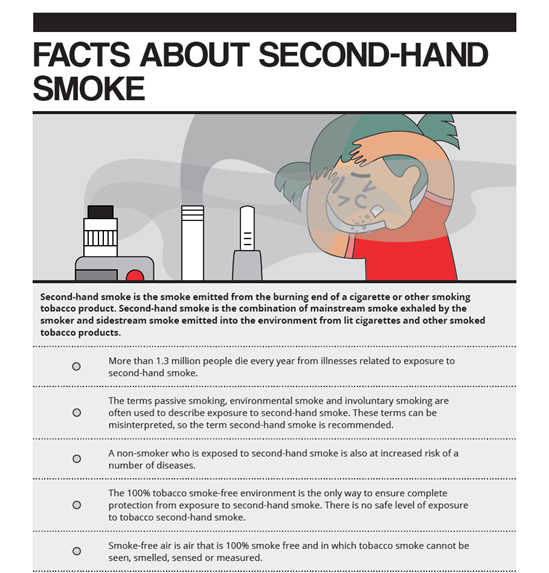
    Tobacco use is the leading preventable cause of death, both globally and in the WHO European Region. But these deaths do not affect smokers only. Second-hand tobacco smoke is estimated to cause about 600 000 premature deaths per year worldwide, with 31% occurring among children and 64% among women. In the European Union, 19 000 non-smokers die each year due to the impact of second-hand smoke. 

    When it doesn't kill, second-hand smoke causes serious illness, such as coronary heart disease and lung cancer. Children exposed to second-hand tobacco smoke have a 50-100% higher risk of developing acute respiratory illness, and exposure also increases the incidence of ear infections and the likelihood of developmental disabilities and behavioural problems. 

    Moreover, second-hand smoke contributes to inequality and imposes a large economic burden on both the individual and society. 

    Smoke-free legislation works

    Research clearly and unequivocally shows that there is no safe level of exposure to second-hand smoke. Therefore, comprehensive smoke-free laws offer the only effective means of eliminating the risks associated with second-hand tobacco smoke. The primary purpose of such laws, which establish smoke-free public places, is to protect workers and the public from the serious risks posed by tobacco smoke. Article 8 of the WHO Framework Convention on Tobacco Control (WHO FCTC) provides the basis for international action to protect people from exposure to tobacco smoke.

    Smoke-free public places protect non-smokers, in particular, from the harmful effects of second-hand smoke. But they also have many other benefits, such as providing smokers with a strong incentive to cut down or quit, as well as discouraging people – especially youth – from starting to smoke. They also benefit businesses, as families with children, most non-smokers and even smokers, themselves, often prefer smoke-free establishments. Smoke-free public places provide a low-cost method for reducing exposure to tobacco smoke.

    Momentum building for smoke-free public places

    Out of all tobacco control measures, Article 8 has one of the highest implementation rates globally. The WHO European Region has made progress over the past few years in legislating to create more smoke-free public places. Within the Region, 21% of countries have passed complete smoke-free legislation. Educational and healthcare facilities are the most common places where smoking has been prohibited. Some countries, however, do not yet prohibit smoking in healthcare facilities but do prohibit it in restaurants, pubs and bars, where the highest exposure of second-hand smoke in the Region occurs.

    The general public, including both non-smokers and smokers, strongly supports smoke-free policies. Momentum is building in the WHO European Region and elsewhere, and an increasing number of countries are implementing measures to protect their populations from the harm of tobacco smoke. As smoke-free policies proliferate, it is vital for countries to document their successes and share experiences, in order to inform and assist the efforts of other countries.

    Publications

    All →
    Two decades of the implementation of the WHO Framework Convention on Tobacco Control in the European Union: progress, challenges and the road ahead

    This report marks twenty years since the European Union (EU) signed the WHO Framework Convention on Tobacco Control (WHO FCTC) and reflects on the EU’s...

    Tobacco Control Playbook: do pictorial health warnings and plain packaging work?

    This document is the third in a series of revised and updated arguments under the playbook umbrella.  

    Avoidable mortality, risk factors and policies for tackling noncommunicable diseases – leveraging data for impact: monitoring commitments in the WHO European Region ahead of the Fourth United Nations High-Level Meeting

    Noncommunicable diseases (‎NCDs)‎, such as cardiovascular diseases, cancers, diabetes and chronic respiratory diseases, remain the leading cause...

    Related WHO collaborating centres

    WHO collaborating centres are institutions that form an international collaborative network carrying out activities to support WHO’s programmes at all levels. They provide an opportunity for WHO to utilize their inherent expertise for the benefit of all Member States.

    View the list of related collaborating centres