On 14 March 2023, Shagufta (right) and Khadija (left) receive mosquito nets during a door-to-door campaign for malaria treatment and prevention in Sohbatpur, Balochistan.
Primary health care
All people, everywhere, have the right to achieve the highest attainable level of health. This is the fundamental premise of primary health care (PHC).
Primary health care is a whole-of-society approach to effectively organize and strengthen national health systems to bring services for health and wellbeing closer to communities. It has 3 components:
- integrated health services to meet people’s health needs throughout their lives
- addressing the broader determinants of health through multisectoral policy and action
- empowering individuals, families and communities to take charge of their own health.
Primary health care enables health systems to support a person’s health needs – from health promotion to disease prevention, treatment, rehabilitation, palliative care and more. This strategy also ensures that health care is delivered in a way that is centred on people’s needs and respects their preferences.
Primary health care is widely regarded as the most inclusive, equitable and cost-effective way to achieve universal health coverage. It is also key to strengthening the resilience of health systems to prepare for, respond to and recover from shocks and crises.
Universal health coverage will only be possible when everyone, everywhere can access the health services they need. Communities should be empowered to identify their health priorities and contribute to finding responsive solutions. Heath care and other sectors need to work together to ensure all decisions affecting health are addressed in an integrated way. This includes promoting policies to protect and improve people’s health and well-being; providing information, services and infrastructure for improved water and sanitation and other environmental determinants of health; prevention of noncommunicable diseases; preparing for and responding to health emergencies; providing services for pregnant women, routine vaccination for children and sexual and reproductive health services; mental health support; platforms for community consultation and many others. Primary health care brings these factors together to ensure the highest possible level of health and well-being and their equitable distribution.
The impact is seen in health systems that focus on people’s needs and are as close as feasible to their everyday environment. Primary health care-oriented health systems consistently produce better outcomes, enhanced equity and improved efficiency. Scaling up primary health care interventions across low- and middle-income countries could save 60 million lives and increase average life expectancy by 3.7 years by 2030.
WHO supports Member States in taking a primary health care approach to accelerate progress in achieving universal health coverage. Countries are demonstrating how this strategy has been effective in strengthening their health systems to address people’s needs, both in times of crisis as in normal times.
The principles of primary health care were first outlined in the Declaration of Alma-Ata in 1978, a seminal milestone in global health. Forty years later, global leaders ratified the Declaration of Astana at the Global Conference on Primary Health Care which took place in Astana, Kazakhstan in October 2018. The following year, at the UN high-level meeting on universal health coverage, countries declared their commitment to “expand the delivery of and prioritize primary health care as a cornerstone of a sustainable people-centred, community-based and integrated health system and the foundation for achieving universal health coverage.”
To support Member States in translating this commitment into practical actions that are aligned with national contexts and priorities, WHO established the Special Programme on Primary Health Care and, together with UNICEF, released the Operational Framework for Primary Health Care and the Primary health care measurement framework and indicators.

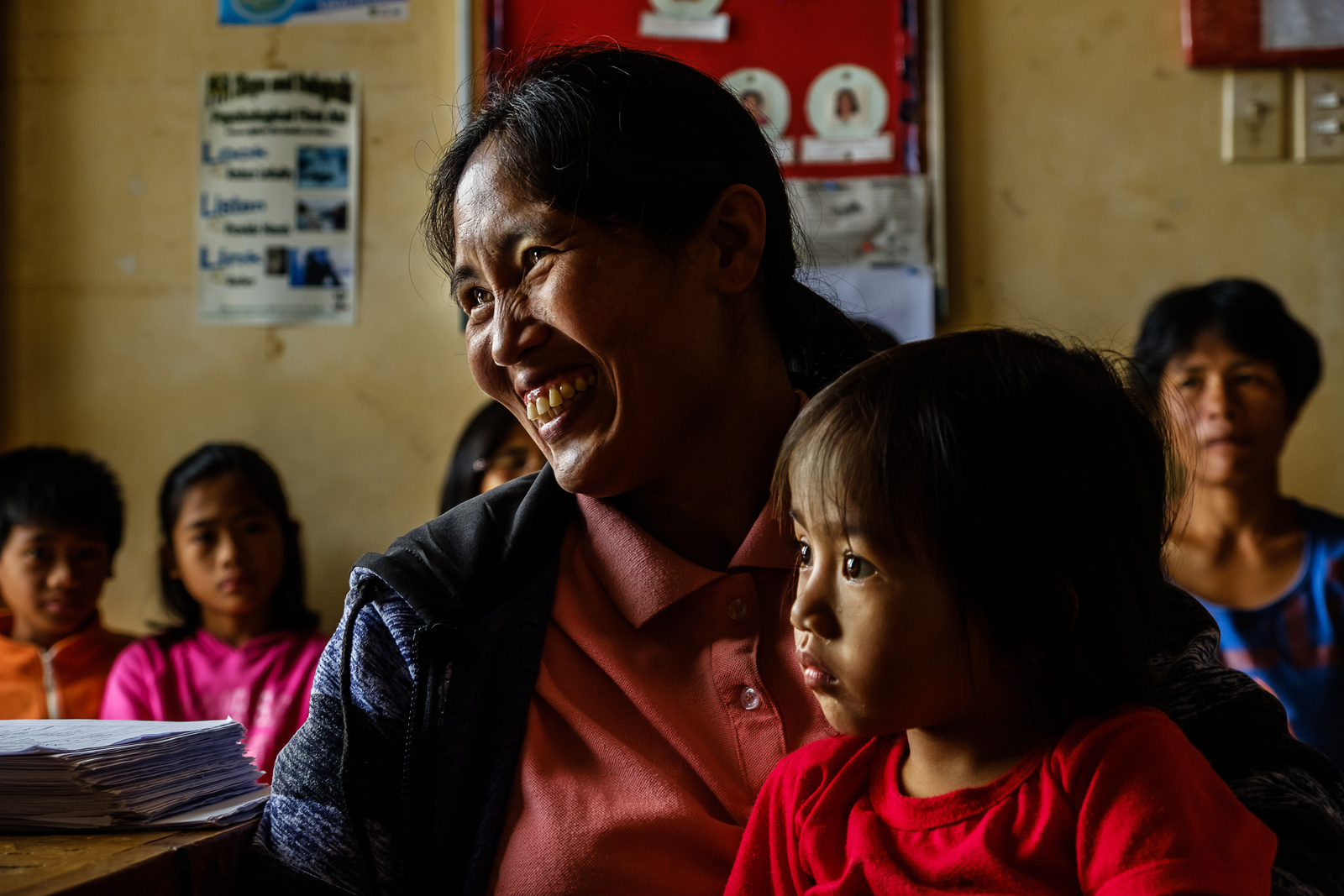


.jpg?sfvrsn=f27f379a_3 "Kyrgyzstan, influenza, November 2022")