Urban health
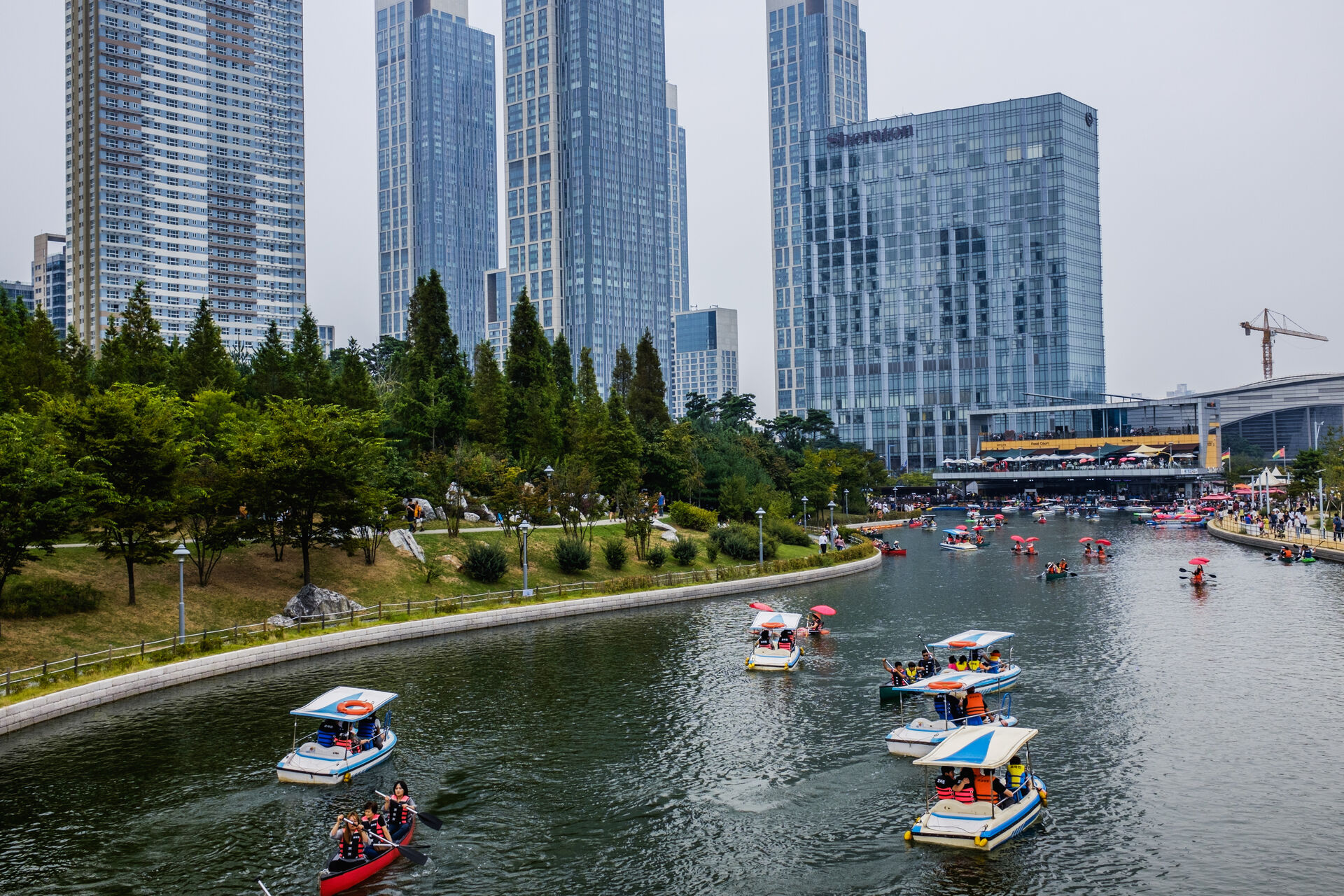
Urbanization is one of the leading global trends of the 21st century that has a significant impact on health. Over 55% of the world’s population live in urban areas – a proportion that is expected to increase to 68% by 2050. As most future
urban growth will take place in developing countries, the world today has a unique opportunity to guide urbanization and other major urban development trends in a way that protects and promotes health. This is important, not least because the health
and well-being of citizens is perhaps a city’s most important asset.
However, most of the 4.2 billion people living in cities suffer inadequate housing and transport, poor sanitation and waste management, and air quality that fails WHO guidelines. Other forms of pollution, such as noise, water and soil contamination, so-called urban heat islands, and a lack of space for walking, cycling and active living further combine to make cities epicentres of a noncommunicable disease epidemic and drivers of climate change.
Around 40% of urban growth is in slums that lack safe water and sanitation, and 91% of people in urban areas breathe polluted air. When it comes to healthy diets, urbanization increases the distance from farm to fork, driving demand for unhealthy, processed foods. Urban dwellers are also highly vulnerable to the effects of climate change because of their dependence on fossil fuels for transport, cooking and heating. Cities account for over two thirds of the world’s energy and emit 60% of greenhouse gases, and those inland may experience temperatures 3–5º C higher than surrounding rural areas because of their large expanses of concrete and limited open green spaces.
All of this puts urban dwellers’ health at risk. Most the top 10 causes of death are closely related to rapid and unplanned urbanization, and poor urban design and planning. Cities face the triple health burden of infectious diseases like HIV/AIDS, tuberculosis, pneumonia, dengue and diarrhoea; noncommunicable diseases like heart disease, stroke, asthma, cancer, diabetes and depression; and violence and injuries, including road traffic injuries.
Despite their challenges, cities can create opportunities for better health, cleaner environments and climate action. Strong urban policies must prioritize health, as it is essential for fostering good urban livelihoods, building a productive workforce, creating resilient and vibrant communities, enabling mobility, promoting social interaction and protecting vulnerable populations.
WHO’s approach to urban health focuses on better air quality, water and sanitation, and other environmental determinants; healthy urban planning; healthier and smoke-free environments; safe and healthy mobility; preventing violence and injuries; promoting healthy food systems and diets; environmental management of vector-borne diseases; and urban preparedness for emergencies.
Working across sectors and ensuring the coherence of policies across different areas is key to creating supportive and enabling environments for health, which ensures that health and equity considerations are integrated throughout the planning process, investments and policy decisions at the local level.
To help Member States address the above priorities, WHO works to strengthen the evidence base to help policy-makers make informed decisions when addressing health risks. It provides tools and guidance on what works, and supports monitoring of key health-related indicators. WHO leads and engages in fostering city-to-city exchanges and helps develop institutional and policy frameworks for good urban governance for health and well-being in cities.