
About us
Health systems can only function with health workers; improving health service coverage and realizing the right to the enjoyment of the highest attainable standard of health is dependent on their availability, accessibility, acceptability and quality.
WHO estimates a projected shortfall of 11.1 million health workers by 2030 (1), mostly in low- and lower-middle income countries. However, countries at all levels of socioeconomic development face, to varying degrees, difficulties in the education, employment, deployment, retention, and performance of their workforce.
The chronic under-investment in education and training of health workers in some countries and the mismatch between education and employment strategies in relation to health systems and population needs are contributing to continuous shortages. These are compounded by difficulties in deploying health workers to rural, remote and under-served areas. Moreover, the increasing international migration of health workers may exacerbate health workforce shortfalls, particularly in low- and lower-middle income countries.
In some countries, challenges in universal access to health workers may also result from the lack of fiscal space to absorb the supply of health workers. As a result, some countries face the paradox of health worker unemployment co-existing with major unmet health workforce needs.
The High-Level Commission on Health Employment and Economic Growth found that investments in the health and social workforce can spur inclusive economic growth. The health workforce has also a vital role in building the resilience of communities and health systems and in emergency preparedness and response. Approximately 67% of the health workforce are women: investing in the health workforce is an opportunity to create decent employment opportunities, in particular for women and youth.

Our Team
All->Our work
News
Events
Call for consultation
Normative publications
With nearly half of the world’s population living in a rural or remote area, meeting the health needs of rural populations, where over 80% of the...
The evidence-based recommendations relate to the movements of health workers within the boundaries of a country and focus on strategies to increase...
Securing equitable access to health services for rural and remote populations continues to be a challenge for governments and policymakers around the...
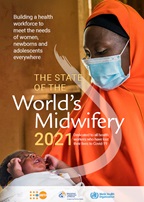
The State of the World’s Midwifery 2021
The State of the World’s Midwifery (SoWMy) 2021 builds on previous reports in the SoWMy series and represents an unprecedented effort to document...
Additional publications
Health topics
Related teams