


WHO's Health Emergency Appeal 2026
WHO
Patients gathered at Al-Mawasi Field Hospital as they prepared for medical evacuation outside Gaza to Türkiye and the UK.
Patients gathered at Al-Mawasi Field Hospital as they prepared for medical evacuation outside Gaza to Türkiye and the UK.
©
Credits


A world in crisis: confronting the drivers of health emergencies
Severe funding constraints across the humanitarian system have disrupted more than 6600 health facilities, cutting off care for over 53 million people. In 2026, an estimated 239 million people will require humanitarian assistance.
Health emergencies today are therefore unfolding at a time when global response capacities are stretched and under-resourced. In response, WHO has reset its approach, hyper‑prioritizing the highest‑impact services and scaling back lower‑impact activities to maximize lives saved. At the same time, WHO is strengthening coordination with governments, health cluster partners and local responders, directing more emergency resources, financing and decision-making to national and local actors.
This is the humanitarian reset in practice: fewer priorities and a sharper focus on life-saving, highest-impact services, delivered through coordinated action around country-led health systems. WHO plays a central role by aligning partners, protecting essential health care, strengthening frontline delivery, and building longer-term resilience – even as conflict, insecurity and funding constraints intensify.
Health is a foundation of humanitarian response
Health is often the first system to be disrupted in a crisis and one of the hardest to restore. Conflict, disasters and displacement interrupt access to care, disrupt routine services such as vaccinations and maternal health, increase exposure to disease, and leave people without treatment for chronic and life-threatening conditions.
When health systems fail, mortality rises – but when they recover, societies recover with them. Strong health systems prevent secondary crises and cross-border outbreaks, stabilize communities, prevent displacement and enable long-lasting recovery. Protecting health is therefore not only a humanitarian imperative – but it is one of the highest-return investments in global stability.
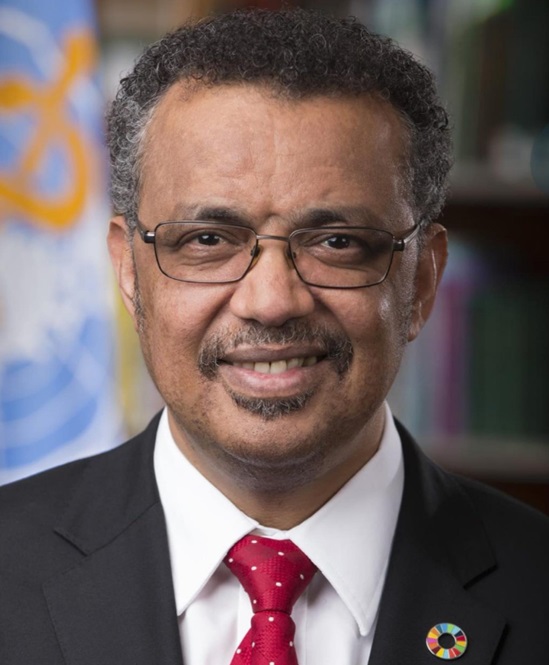
"This appeal sets out what is needed to protect health in humanitarian crises in the year ahead. It is, above all, a call to stand with people living through conflict, displacement and disaster – to give them not just services, but the confidence that the world has not turned its back on them." – Dr Tedros Adhanom Ghebreyesus, Director-General of the World Health Organization
WHO
Dr Tedros Adhanom Ghebreyesus, WHO Director-General.
Dr Tedros Adhanom Ghebreyesus, WHO Director-General.
©
Credits
Health is profoundly affected during crisis

WHO’s 2026 funding requirements for responding to emergencies
Health systems are collapsing amid severe funding constraints, leaving over 239 million people’s health at risk. As emergencies grow in scale and severity, difficult prioritization decisions are unavoidable: which services must be protected, where limited resources can have the greatest impact and which needs cannot be fully met under current constraints.
As essential health services in crisis settings come under extreme strain, WHO urgently requires approximately US$ 1 billion in flexible, front-loaded funding to sustain life-saving care in the world’s most severe Grade 3 emergencies. Without timely action, critical gaps will emerge in health coordination, disease surveillance and outbreak response in the most fragile settings, increasing preventable illness and death. Stand with WHO to protect health and save lives in emergencies.


Lend your support
Help WHO to serve the most vulnerable during crises