2026 appeals

2026 appeals

WHO
Supports community action to eliminate malaria risks in Socotra, Yemen.
© Credits

Now is the moment for action

As emergencies grow in scale and severity, WHO has been forced to make impossible choices about which services to protect, which crises to prioritize and which communities may be left unreached. The support of Member States has already helped save millions of lives, but WHO urgently needs approximately US$ 1 billion in 2026 to sustain this response in the world’s most severe humanitarian emergencies. Without urgent action, withdrawal from these settings will be catastrophic.

Responding to health needs in humanitarian emergencies

From the occupied Palestinian territory and Sudan to Ukraine, South Sudan and Yemen, WHO is supporting countries facing the world’s most severe crises – where national systems are near collapse and humanitarian access is limited.

Two women sit outdoors, one wearing a headscarf and patterned clothing.

Afghanistan

Afghanistan’s fragile health system is under renewed strain as over 2.2 million returnees place pressure on already understaffed facilities. Restrictions and funding gaps are limiting access to maternal, child and nutrition services, particularly for women and girls.

Four people in the foreground standing in front of a blue and white triage unit.

Democratic Republic of the Congo

The Democratic Republic of the Congo: Decades of instability and recurring violence continue to disrupt the Democratic Republic of the Congo’s fragile health system. Mass displacement, chronic insecurity and repeated epidemics are stretching overstressed facilities well beyond capacity, particularly in conflict-affected eastern provinces.

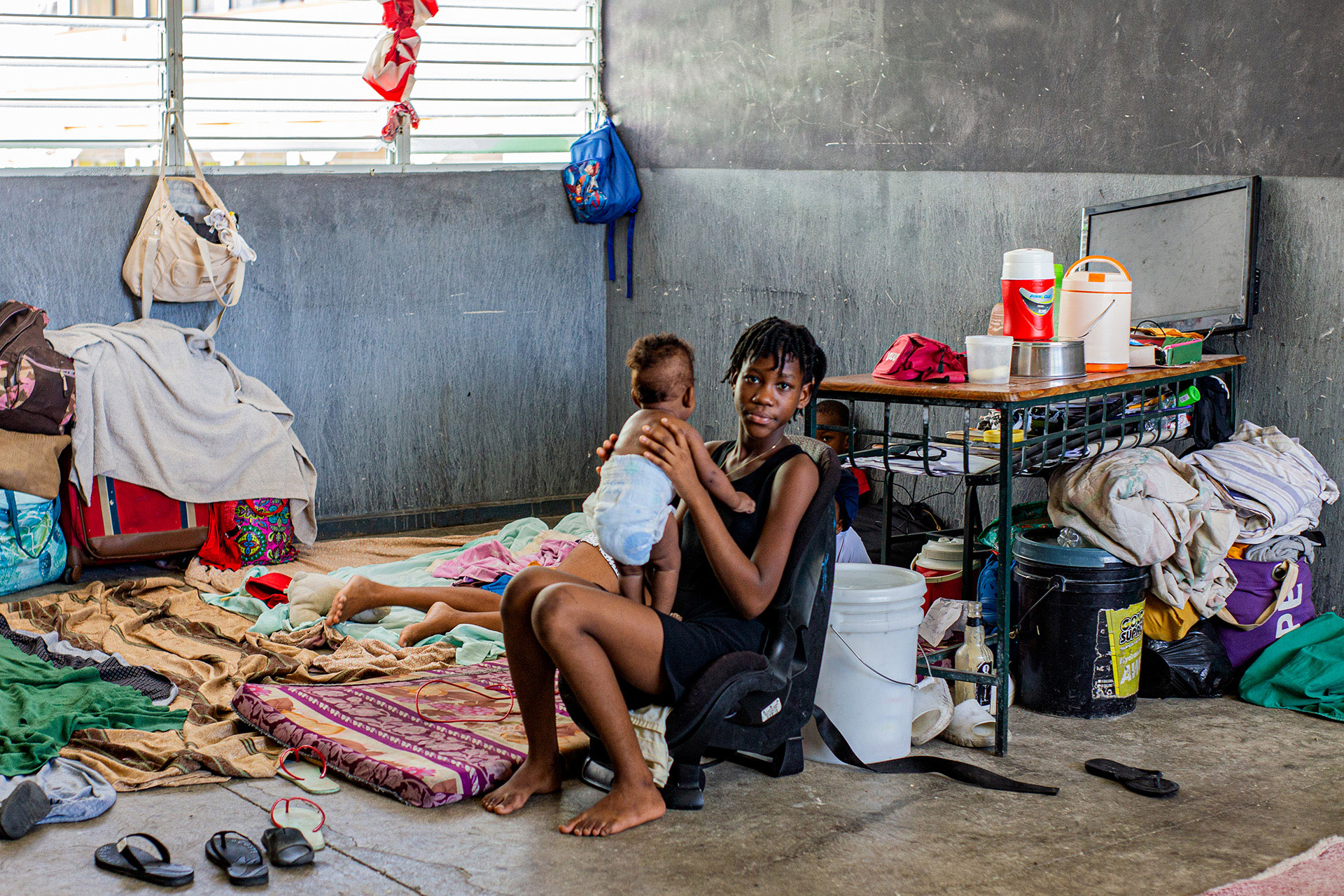
A mother sits indoors holding an infant while another child rests nearby in a crowded, makeshift living space at an IDP site in metropolitan Port-au-Prince, .

Haiti

Escalating gang violence has paralysed movement and forced the closure of most health facilities, leaving only 26% of inpatient centres fully functional. Communities face recurrent cholera outbreaks, widespread trauma and increased violence against women and children.

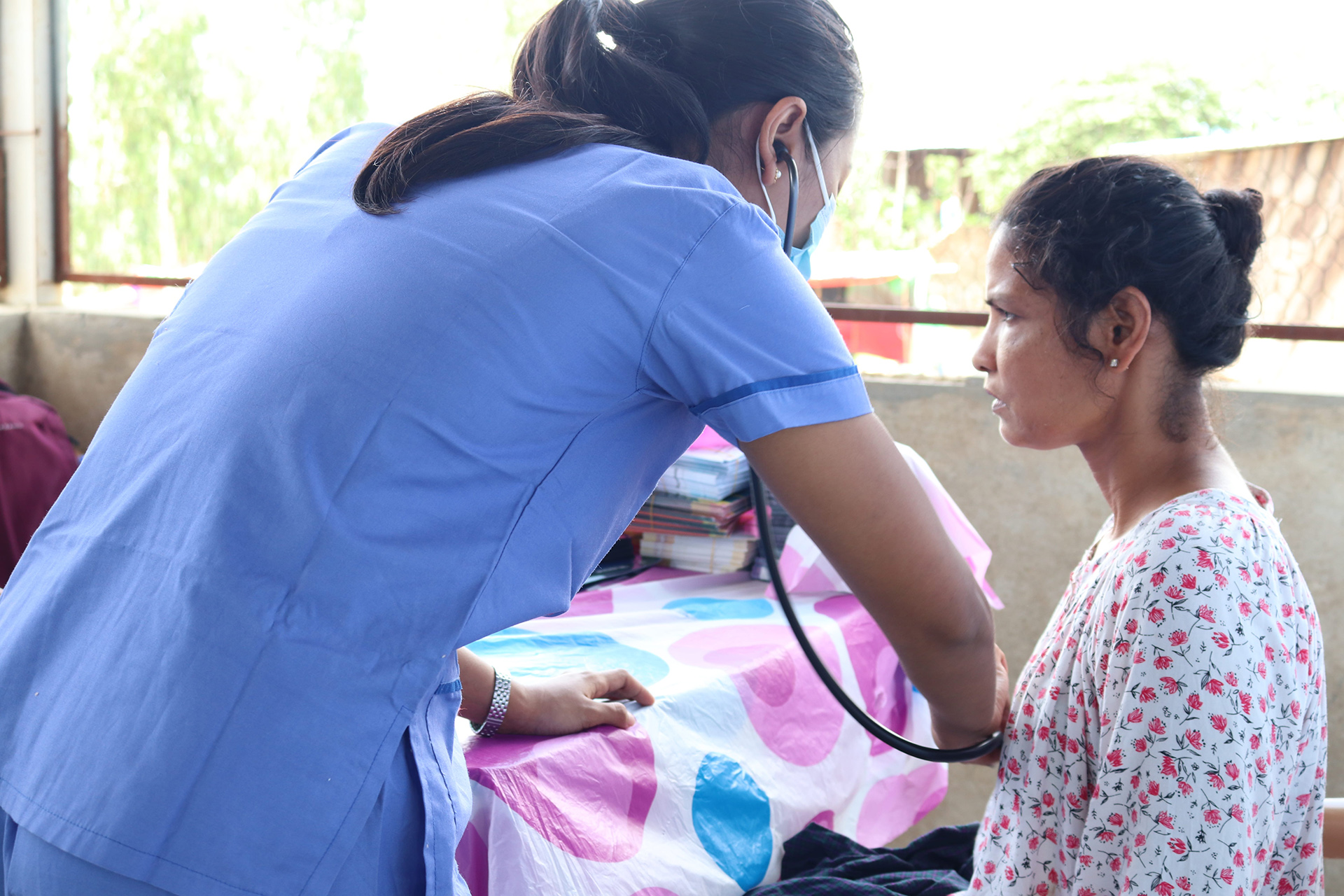
A nurse listens to a seated woman’s chest with a stethoscope in a clinic.

Myanmar

Conflict, political instability and recurrent natural disasters – from earthquakes to major floods – continue to disrupt services across Myanmar. Damaged facilities, low vaccination coverage and rising protection and mental health needs define a rapidly deteriorating health landscape, compounded by repeated attacks on health workers and facilities.

A health worker in a headscarf is holding a baby lying on a bed in a temporary clinic.

Occupied Palestinian territory

Gaza’s health system has collapsed after a year of intense conflict. Hospitals are overwhelmed, supply routes blocked, and entire neighbourhoods cut off from services. Rising malnutrition – with an estimated 132 000 children under 5 projected to suffer acute malnutrition through mid-2026 – paired with widespread destruction of facilities has created an acute survival crisis.

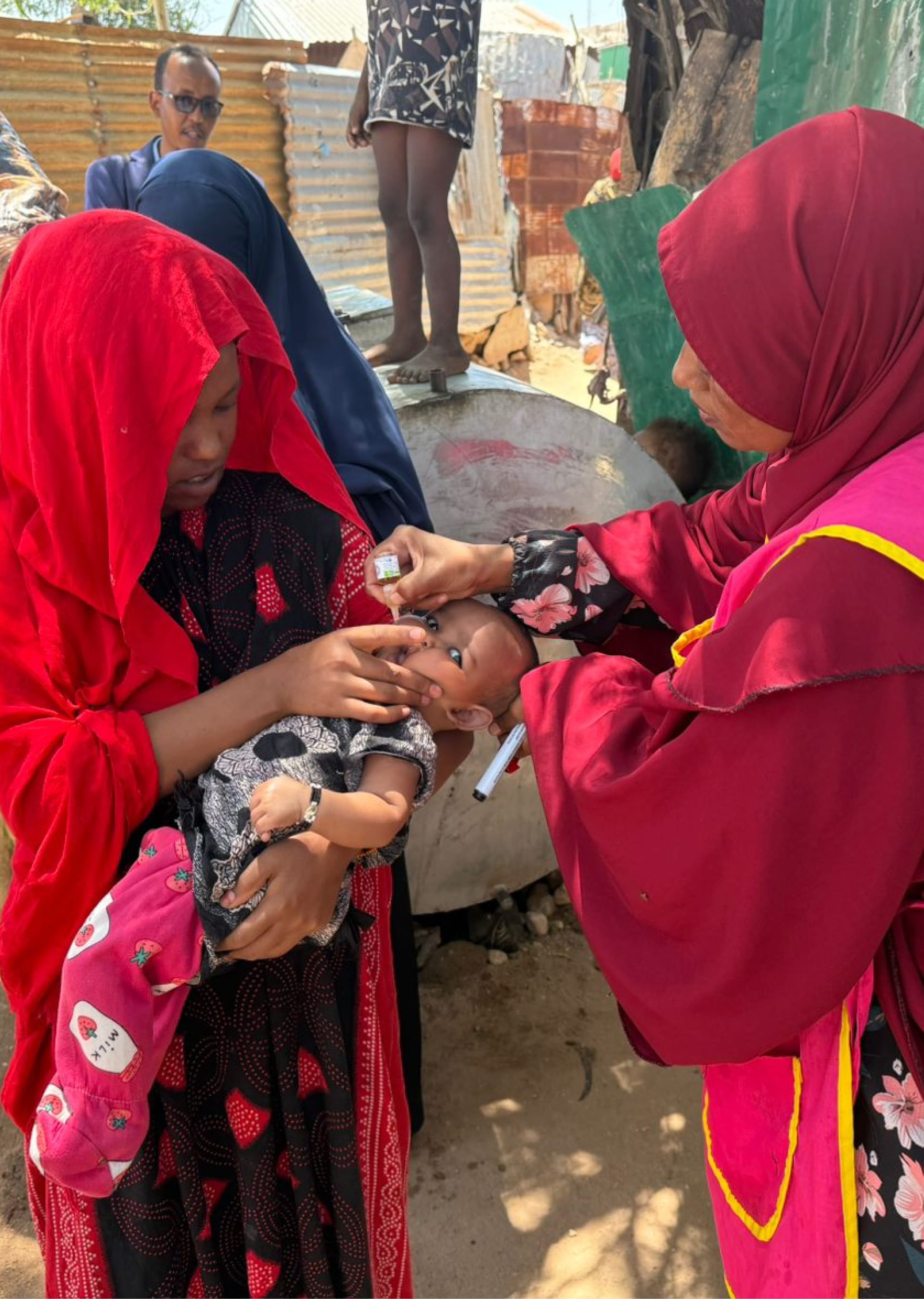
Somali Health worker administers polio vaccine to a young child.

Somalia

Successive climate shocks, conflict and a relentless cycle of outbreaks – including over 19 000 cholera, measles and diphtheria cases in 2025 – have left Somalia’s health services struggling to keep pace with rising needs and deepening malnutrition.

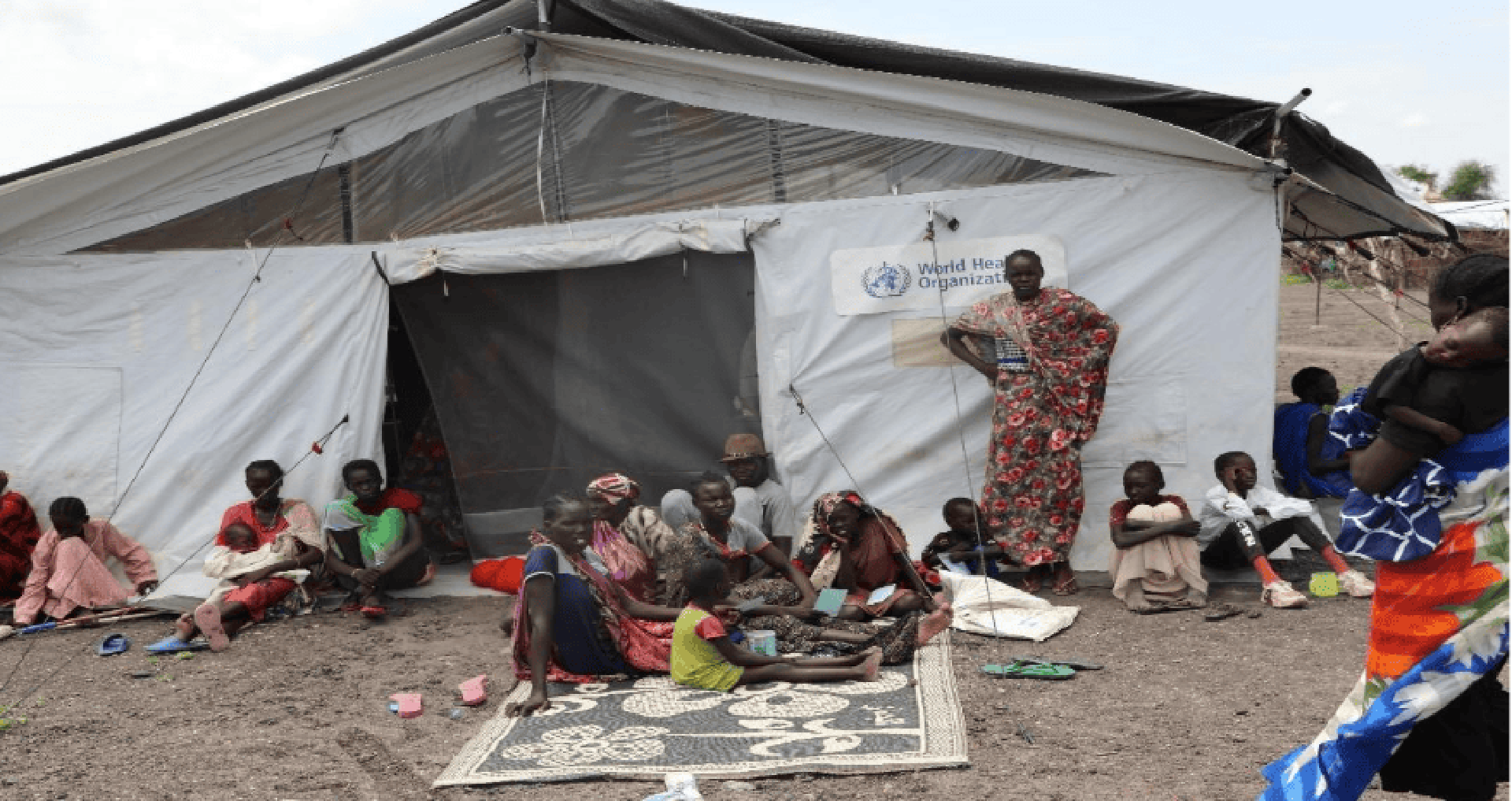
In South Sudan, families sit outside a large tent shelter in a dry, open area.

South Sudan

Flooding, displacement and periodic conflict continue to erode health services. Damage to facilities and ongoing cholera and measles threats, alongside the needs of 223 000 people displaced by recent floods, are overwhelming front-line care.

A baby rests on a caregiver’s lap, wrapped in pink fabric, looking at the camera.

Sudan

Escalating conflict has pushed Sudan into one of the world’s most severe humanitarian emergencies. Up to 80% of health facilities are non-functional, and communities face famine-risk conditions, soaring malnutrition, recurrent outbreaks and widespread gender-based violence.

Two health workers check the patients blood pressure and the other is taking notes during a home visit in rural Hama.

Syrian Arab Republic

Fourteen years of conflict, economic deterioration and the worst drought in nearly 40 years have severely weakened the Syrian Arab Republic’s health system. Damage to infrastructure and chronic shortages leave families exposed to recurring outbreaks of diarrhoea, measles and influenza-like illness.

Medical staff push a patient on a stretcher along a street outside a health facility.

Ukraine

Relentless attacks on infrastructure have severely weakened Ukraine’s health system. Emergency and chronic care are disrupted, WASH systems damaged, and mental health needs are rising sharply as 10.6 million people remain displaced.

A young child eats from a nutrition packet and looks at the camera.

Yemen

Years of conflict and fragmented governance have left Yemen facing multiple, overlapping health threats – including 339 000 suspected cholera cases, rising vaccine-preventable diseases and large-scale displacement. Disruptions to routine immunization and basic care increase the risk of further outbreaks.