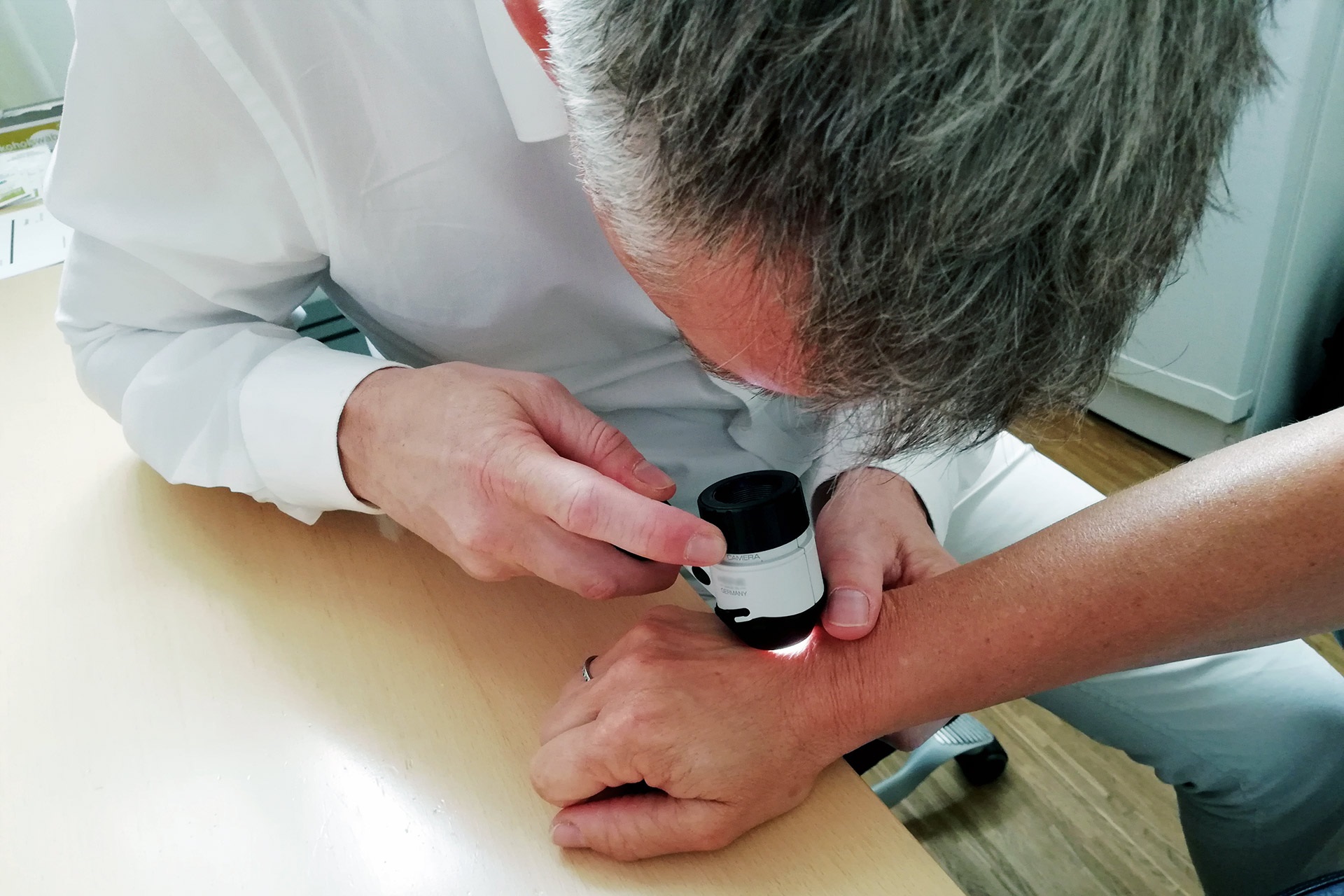
WHO/Ramy Srour
© Credits

Cancer

    Overview

    Cancer is the uncontrolled growth and spread of cells that arises from a change in one single cell. The change may be started by external agents and/or inherited genetic factors and can affect almost any part of the body. The transformation from a normal cell into a tumour cell is a multistage process where growths often invade surrounding tissue and can metastasize to distant sites. These changes result from the interaction between a person’s genetic factors and any of 3 categories of external agents:

    • physical carcinogens, such as ultraviolet and ionizing radiation or asbestos;
    • chemical carcinogens, such as vinyl chloride, or betnapthylamine (both rated by the International Agency for Research into Cancer as carcinogenic), components of tobacco smoke, aflatoxin (a food contaminant) and arsenic (a drinking-water contaminant); and
    • biological carcinogens, such as infections from certain viruses, bacteria or parasites.

    Most chemicals to which people are exposed in everyday life have not been tested for their long-term impact on human health.

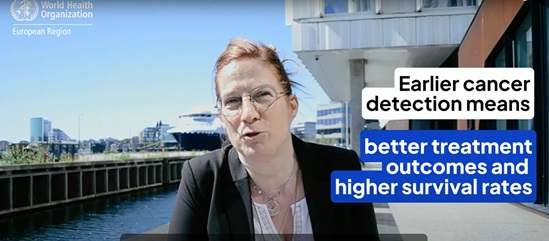
    Many cancers can be prevented by avoiding exposure to common risk factors, such as tobacco smoke. In addition, a significant proportion of cancers can be cured, by surgery, radiotherapy or chemotherapy, especially if they are detected early.

    Impact

    Cancer is the most important cause of death and morbidity in Europe after cardiovascular diseases. With more than 3.7 million new cases and 1.9 million deaths each year, cancer represents the second most important cause of death and morbidity in Europe.

    WHO response

    WHO/Europe assists countries to develop national programmes for cancer control. The International Agency for Research on Cancer (IARC) is the WHO body that specializes in this field. It coordinates and conducts research on causes and develops scientific strategies for cancer prevention and control.

    20%

    The percentage of deaths caused by cancer in the European Region

    Our work

    All →
    Joining forces: United Action Against Cancer

    Joining forces: United Action Against Cancer

    WHO/Malin Bring
    © Credits

    Overview

    Last year in the WHO European Region, 4.8 million people were diagnosed with cancer and 2.1 million people died from it. Without bolder action now, these figures are estimated to reach 5.4 million and 2.5 million, respectively, by 2030.

    WHO/Europe launched United Action Against Cancer, a pan-European cancer movement, to join forces against cancer in the European Region with the long-term vision to eliminate cancer as a life-threatening disease. The movement will:

    • enhance collaborations and unite partners from all levels
    • reinforce political leadership in countries
    • engage young people and civil society to galvanize grassroots movements
    • fast-track implementation of WHO signature solutions.

    The WHO signature solutions are a set of cost-effective, evidence-based policies and measures accompanied by technical guidance and tools for implementation. They align WHO expertise and resources to achieve real impact at the country level. The United Action Against Cancer movement brings these solutions forward for policy-makers, enabling them to make the right decisions to tackle cancer effectively.

    The WHO signature solutions cover the 5 dimensions of the cancer-control continuum:

    • prevention
    • early detection
    • diagnosis and treatment
    • palliative care
    • cancer control planning and data

    Cancer control is a key priority for the achievement of the Sustainable Development Goal target to reduce by one third premature mortality from noncommunicable diseases by 2030. United Action Against Cancer is a call to unite from grassroots to governments for better cancer control, with a commitment to position people at the centre and leave no one behind.

    Multimedia

    All →

    Infographics

    All →

    Publications

    All →
    Small Countries Initiative impact report 2021–2024: four years of progress

    The Small Countries Initiative (SCI), established in 2013, serves as a collaborative platform for 12 Member States in the WHO European Region, each with...

    Understanding the health and tourism nexus

    This report explores the multifaceted nexus between health and tourism within the WHO European Region, emphasizing the importance of sustainable tourism...

    Documents

    All →

    The clock is ticking. With just five years left to achieve 2030 Sustainable Development Goal (SDG) 3.4 of reducing premature deaths from noncommunicable...

    In too many countries, the majority of women are diagnosed too late, multidisciplinary treatment and follow-up care are suboptimal, and supportive and...

    Related WHO collaborating centres

    WHO collaborating centres are institutions that form an international collaborative network carrying out activities to support WHO’s programmes at all levels. They provide an opportunity for WHO to utilize their inherent expertise for the benefit of all Member States.

    View the list of related collaborating centres