
/noncommunicable-diseases-rehabilitation-and-disability-(ncd)/office-of-the-director-ncd-(odn)/ncds-knowledge-action-portal.jpg?sfvrsn=d75056b8_4 "NCDs knowledge action portal")
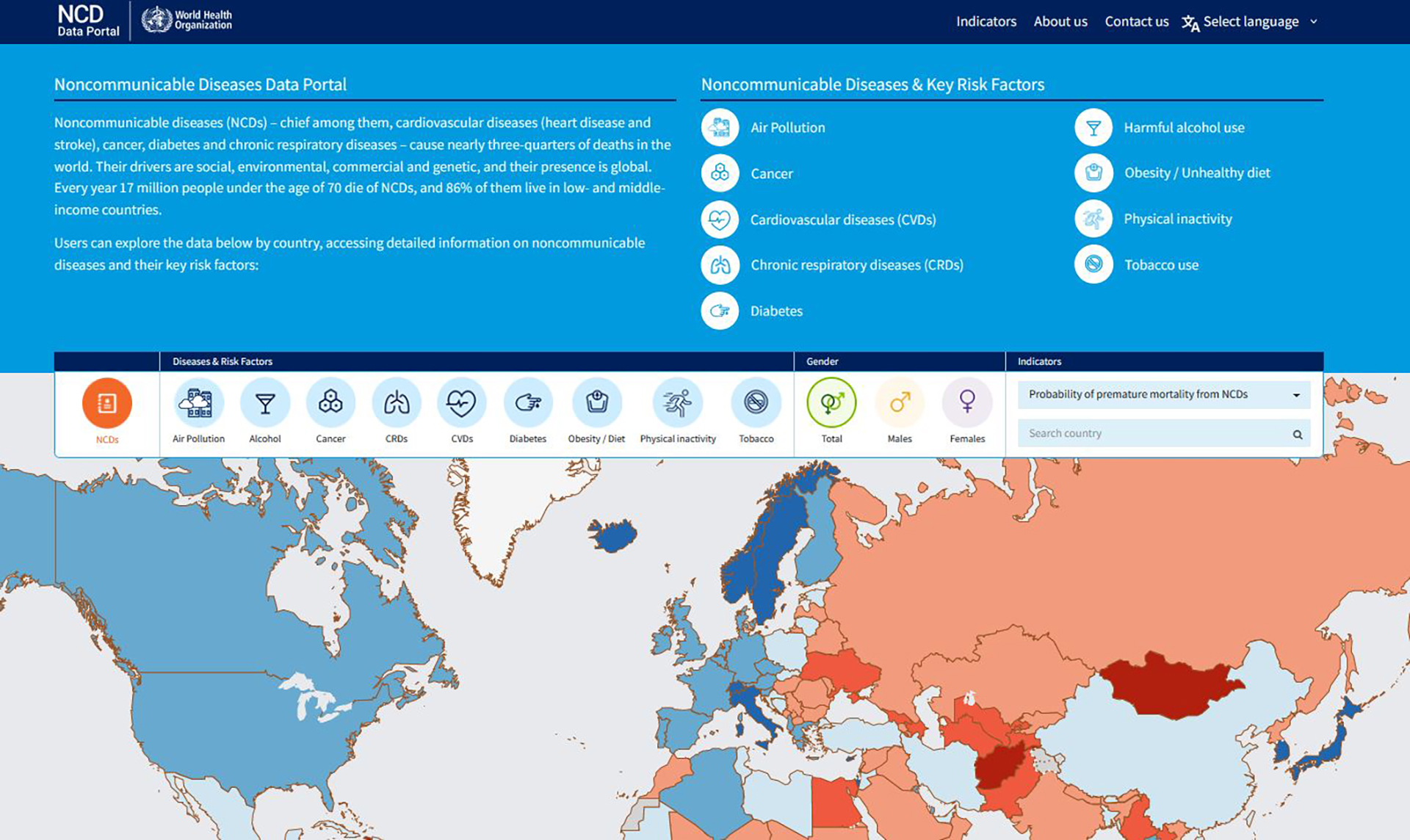
Knowledge Action Portal on NCDs
Take a look behind the scenes of the Knowledge Action Portal (KAP).

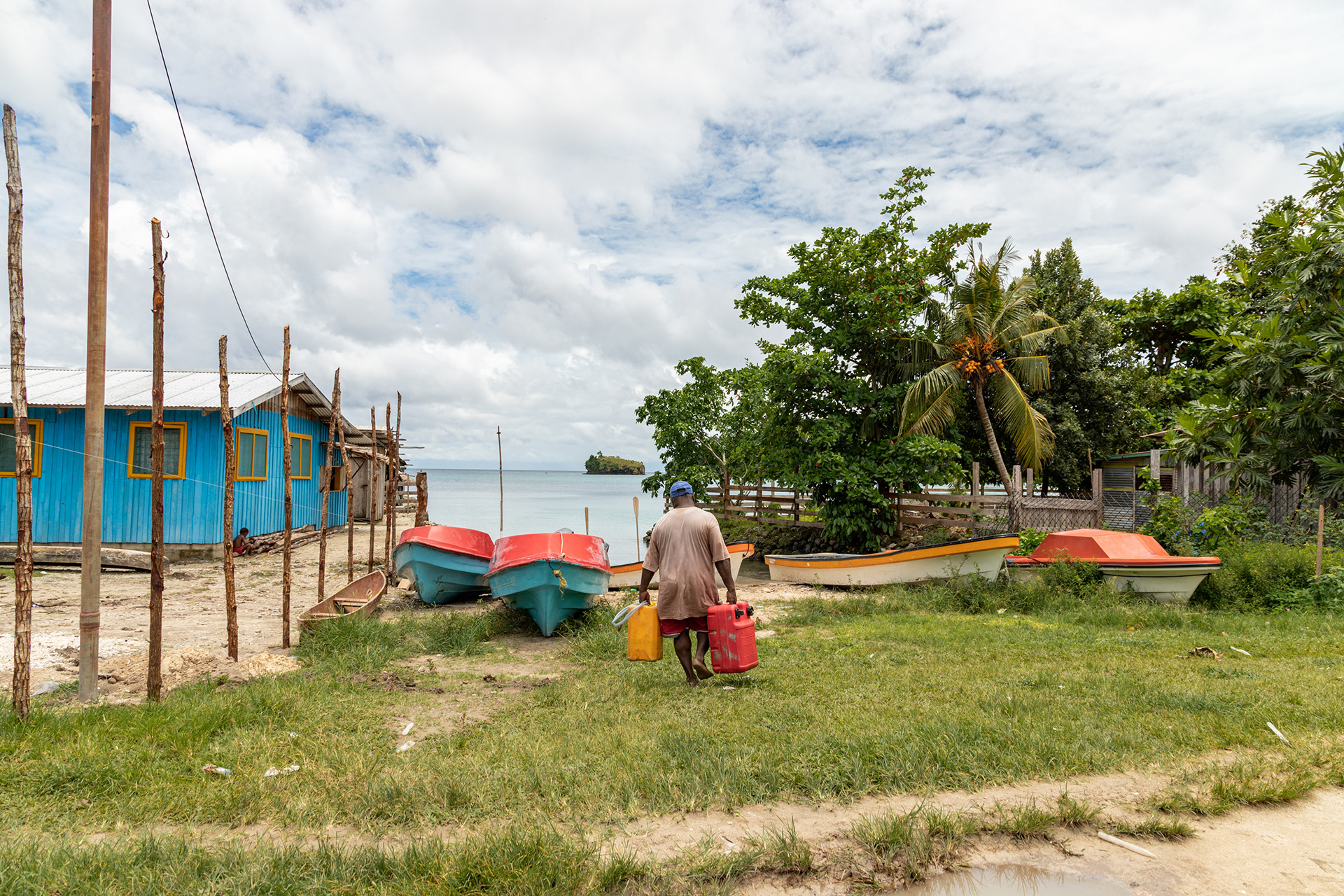
The High-level technical meeting on noncommunicable diseases (NCDs) and mental health in small island developing states (SIDS) co-hosted by the...
This document highlights landmarks and key milestones in the development and implementation of the global agenda for noncommunicable diseases (NCDs)...
Small island developing states (SIDS) are a set of islands and coastal states that share similar sustainable development challenges, as a result of their...
The global community has made great progress in reducing major health burdens in recent decades, including advances in infectious disease control and treatment,...
Related health topics
Noncommunicable diseases
Sensory functions, disability and rehabilitation
Technical Series on Safer Primary Care
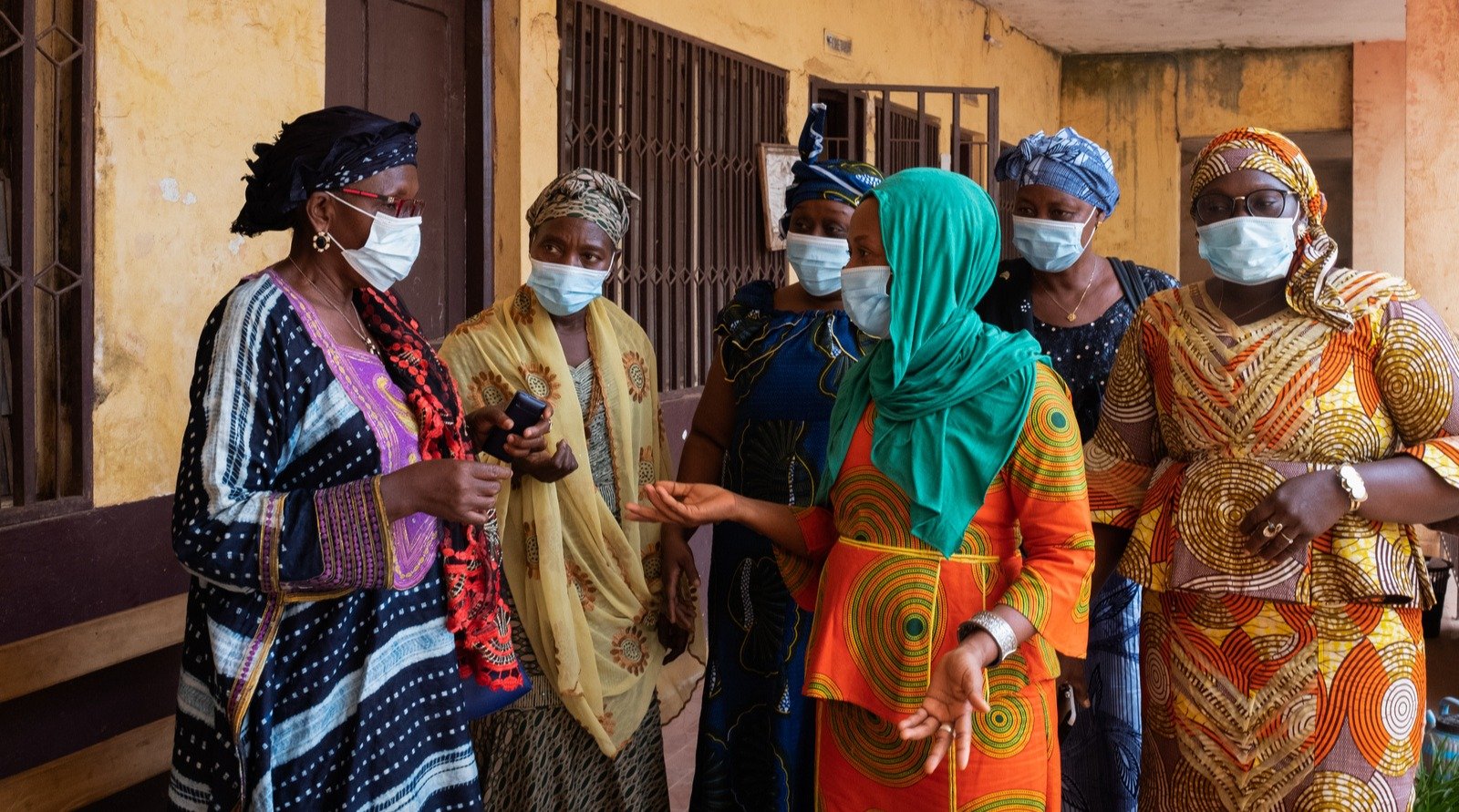
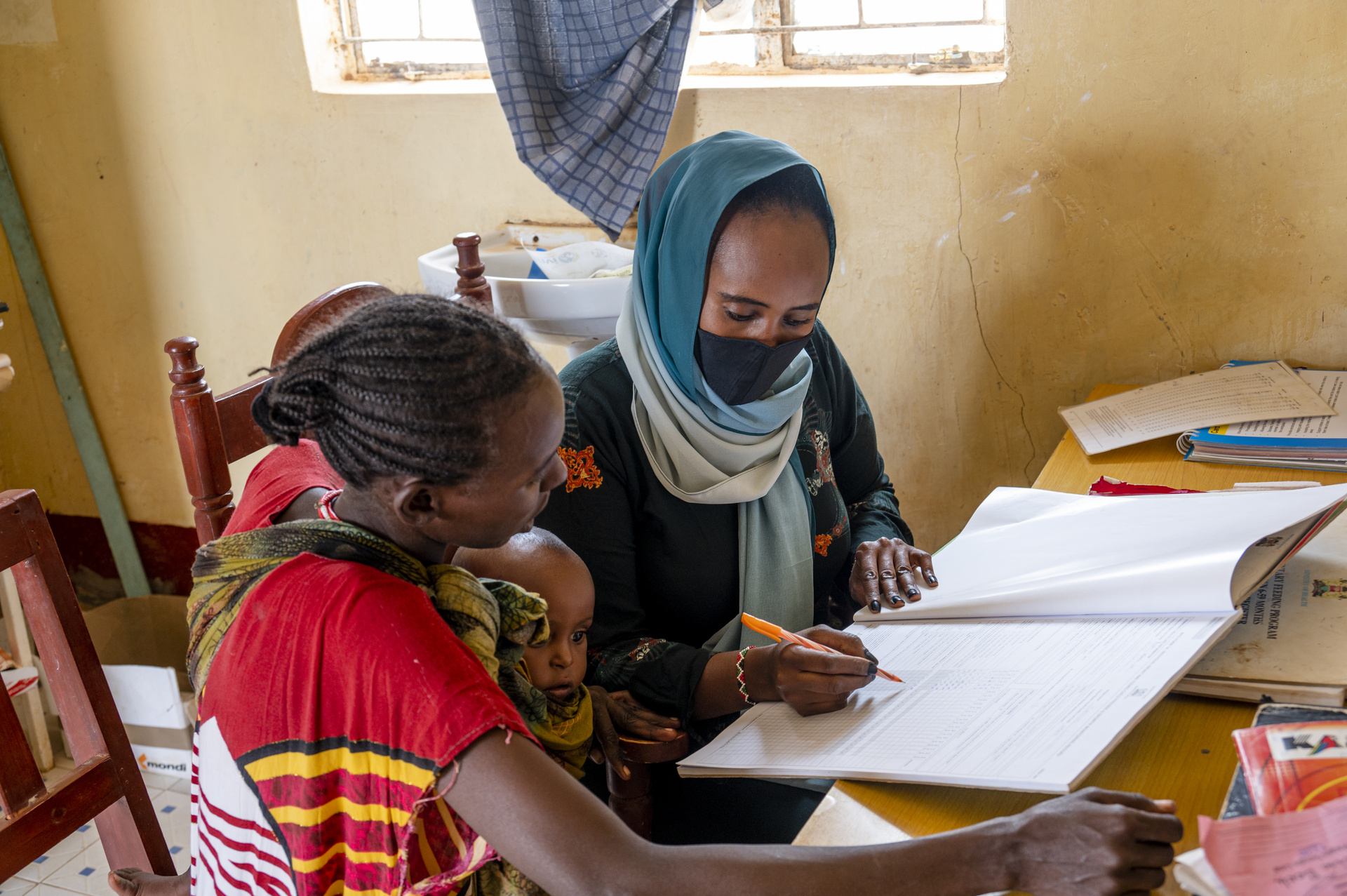
Health care systems are complex and include multiple stakeholders and providers. People using health care services have an essential role as co-producers of their health and indeed they represent the only consistent factor throughout the care pathway. They also hold key information vital for process, systems and policy improvement. Tapping into such a rich resource could contribute significantly to improving safety in primary care.
This monograph examines why it is important to involve people using services in improving safety and how this might best be done. The term “patient engagement” is used throughout this document and refers to the process of building the capacity of patients, families, carers, as well as health care providers, to facilitate and support the active involvement of patients in their own care, in order to enhance safety, quality and people-centredness of health care service delivery.


Feature stories

/noncommunicable-diseases-rehabilitation-and-disability-(ncd)/office-of-the-director-ncd-(odn)/on-the-road-to-2025-countdown-days.jpg?sfvrsn=7d7b21e4_79 "On the road to 2025 countdown days")
/noncommunicable-diseases-rehabilitation-and-disability-(ncd)/office-of-the-director-ncd-(odn)/un-general-assembly-meeting-room.jpg?sfvrsn=b07fcc1d_7 "UN General Assembly meeting room")