

Corporate evaluations are organization-wide assessments commissioned by the WHO Evaluation Office to assess strategic, thematic, programmatic, joint, or humanitarian and emergency-related issues that cut across departments, regions or functions.

WHO Evaluation Office
WHO / Ala Kheir
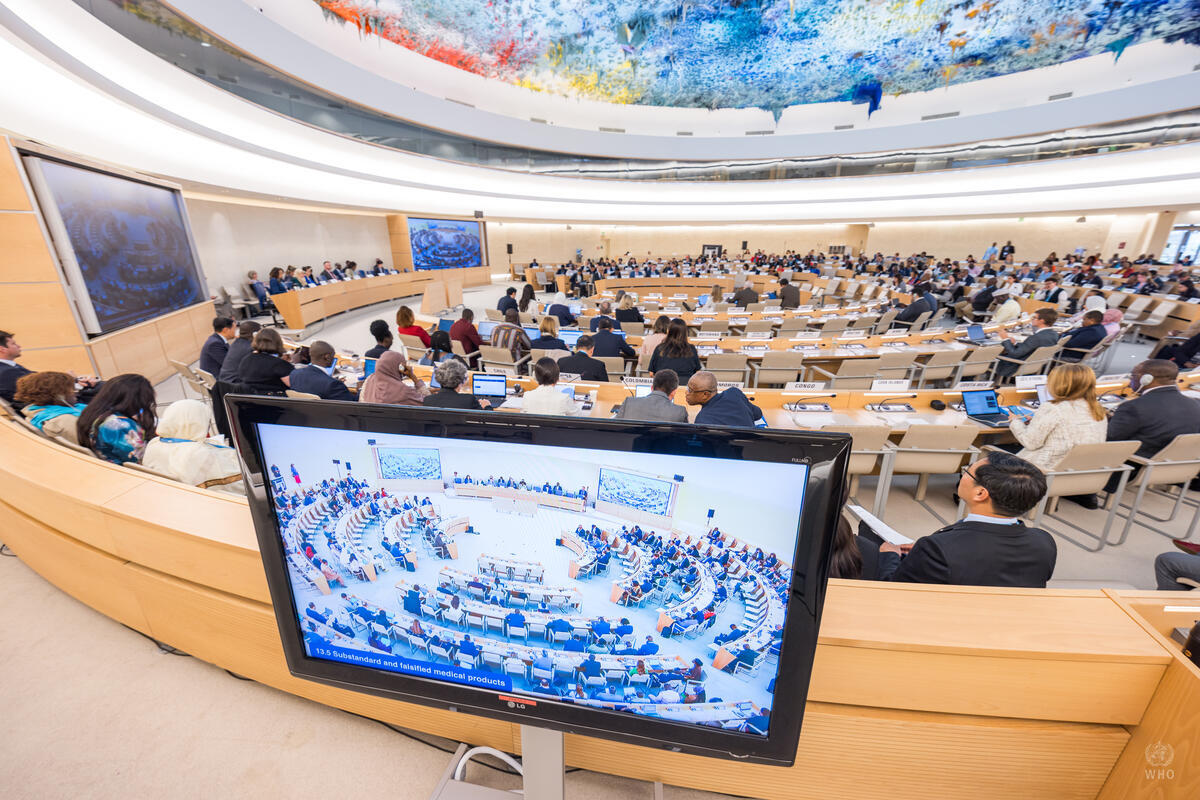
In Gedaref, Sudan, WHO staff monitor water quality at a school sheltering families displaced by conflict.
In Gedaref, Sudan, WHO staff monitor water quality at a school sheltering families displaced by conflict.
©
Credits
The evaluation function empowers WHO’s culture of accountability, learning and decision-making to promote, provide and protect health and well-being for all people, everywhere.
Role of WHO Evaluation: Evaluation strengthens accountability, promotes learning, and enhances organizational performance. Through impartial, high-quality assessments, the WHO Evaluation Office supports evidence-based decision-making and planning, helping ensure that WHO’s policies, systems, and interventions deliver better health outcomes for all. Evaluation is also a cornerstone of WHO’s results-based management approach. The Evaluation Office is located within the Office of Internal Oversight Services and supports the Organization’s overall evaluation function.
Independence and quality assurance: As a functionally independent entity, the Evaluation Office is dedicated to guaranteeing that evaluation processes are inclusive, impartial, and conducted with scientific rigour. Widely disseminating evaluation findings and recommendations is a key priority, with a strong emphasis on fostering opportunities for collective learning and supporting the implementation of recommendations to improve organizational effectiveness and outcomes.
Collaboration and system-wide learning: WHO Evaluation works with UN entities, global networks, and partners to enhance the quality, credibility, and impact of its evaluations. Through active engagement in UNEG and collaboration on joint and system-wide evaluations, it contributes to coherence and shared learning across the UN system.
Introduction to evaluation
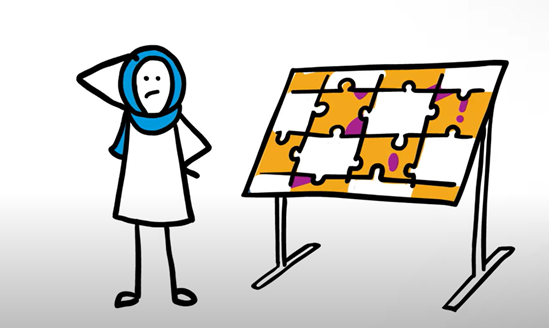
Watch this short animation explaining how evaluation works for WHO
Evaluations
Decentralized evaluations are commissioned and managed by WHO programmes, departments, offices or hosted partnerships outside the headquarter Evaluation Office. They may take the form of thematic or programmatic evaluations, as well as office-specific evaluations conducted at regional, country or headquarters departmental levels.
Country programme evaluations assess WHO’s overall contribution to health outcomes in a specific country. They take a comprehensive look at how WHO’s support across all three levels of the Organization aligns with national health priorities, WHO’s General Programme of Work, country cooperation strategies and broader development goals.
Publications
All →WHO's mandate includes raising awareness about global health issues and mobilizing support for action globally, regionally and nationally. One strategy...
The evaluation served a dual purpose of accountability and learning designed to generate forward-looking recommendations for improving WHO's humanitarian...
This report presents an independent evaluation of WHO global health days and weeks conducted for the period 2019–2023, assessing their relevance,...
Strengthening health systems in fragile and conflict-affected settings such as Somalia, characterized by protracted crises, recurrent emergencies and climate-related...
Documents
All →
In April 2023, as WHO celebrated its 75th anniversary and embarked on the preparations for the 14th General Programme of Work (GPW14), it became imperative...

The Global Task Force on Cholera Control (GTFCC), established by WHO in 1992, brings together 48 partner institutions to coordinate global efforts to end...
14 April 2026
Evaluation of the COVAX Facility, COVAX Advance Market Commitment (AMC) and COVAX pillar delivery efforts:...
Gavi, the Vaccine Alliance completed its first joint evaluation together with Coalition for Epidemic Preparedness Innovations (CEPI), , the United Nations...